Documenting a Printed Car's Origin From Print Bed to Shelf
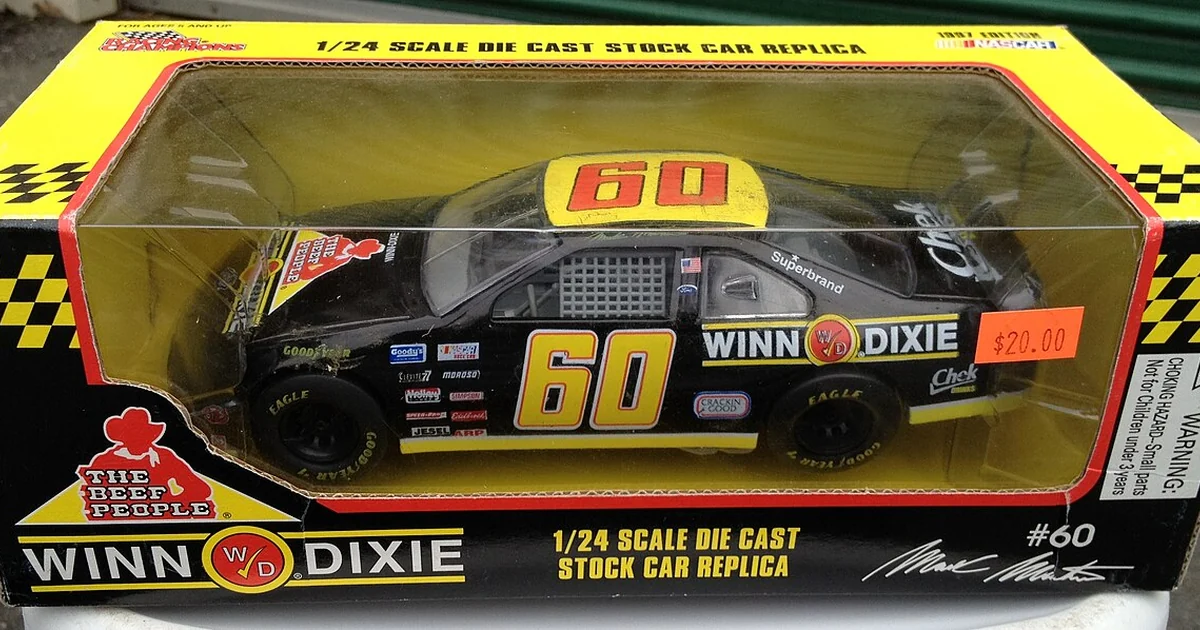
A collectible model car accumulates history long before it reaches a display shelf. It is designed, sliced, printed, cleaned, possibly modified, shipped, and eventually handed from one owner to the next. Most of that history is invisible once the piece is on a shelf, and memory fades quickly. This article offers a method for writing down that journey in a way that stays useful for years, and for being precise about what any verification tool can and cannot tell you.
Why Origin Records Matter More Than Memory
Collectors often trust their memory of where a piece came from. Within a few months, details blur: which seller, which week, which color variant, whether the tag was attached at purchase or added later. A short written origin record prevents that drift. It does not need to be elaborate. A single page per model, kept in a folder or a spreadsheet, can hold the essential facts.
The goal is not to build a dossier that proves everything. The goal is to separate what you observed directly from what you were told, and to note which questions remain unanswered. That separation is the foundation of honest record-keeping.
Stages Worth Recording
Think of a printed car's history in stages, and record each one only as far as you actually know it. The first stage is the design and file origin: who or what source the model file came from, and whether you have any record of it. Next is the print stage: the printer or method used, the material, the color or finish, and the date if known. Post-processing comes after that, including support removal, sanding, priming, painting, and assembly of joints or connectors. Each of these may have happened in your own workshop, at a studio, or somewhere you never saw.
Then comes the acquisition stage: the seller, the date, the price paid, and the condition at receipt. Photograph the piece on arrival before anything else happens. Finally, record the ownership and handling history since you received it, including any repairs, cleaning, relocations, and display changes.
Separating Verified Facts From Stated Claims
Mint Motors Club offers a way to check a printed car's authenticity by scanning its QR code, which uses Ed25519 cryptographic verification. That is a useful piece of evidence, but it answers a specific question. Before you write the result into your record, decide exactly what the scan is supposed to confirm, and write that sentence down verbatim. A careful entry reads something like: scanned on this date, the verification result reported this outcome for this tag identifier.
What a scan does not establish is equally important. It does not tell you who printed the piece by hand, whether the surface was altered later, whether the tag was moved from another object, or whether the seller's description matched the item. Record those as open questions rather than leaving them implicit.
A Practical Origin Checklist
Use the following list for each model in your collection. Answer each item with what you know, and mark anything you cannot answer as unknown rather than guessing.
First, identify the model name, scale, and color or variant. Second, note the tag identifier and the date you scanned it, along with the exact result text shown. Third, record the acquisition date, the seller or source, and the price paid, only if you are comfortable keeping that information. Fourth, photograph the piece on arrival and note the condition, including any visible wear, cracks, or finish differences. Fifth, list any post-processing you know about, and state who performed it. Sixth, list handling events since arrival, such as cleaning, joint adjustment, relocation, or repair. Seventh, write down the open questions that remain.
Review the record once a year. Update the open questions list, since new information sometimes arrives long after a purchase.
Questions to Ask Before You Accept a Record as Complete
When you finish an origin record, test it with a few direct questions. Could a stranger reading this page understand what was observed and what was assumed? Does every claim point to a source, whether a photo, a receipt, a seller message, or a scan result? Are there gaps you have quietly filled with plausible guesses? If the answer to the last question is yes, rewrite those entries as open questions.
Keep the record honest even when it is incomplete. A collection with clearly marked unknowns is far more trustworthy than one that looks finished but hides its uncertainty. Over time, you may close some of those gaps, and the record will show exactly when and how each one was resolved.