Documenting Collectible Model Cars: What to Record Before Your Shelves Get Crowded
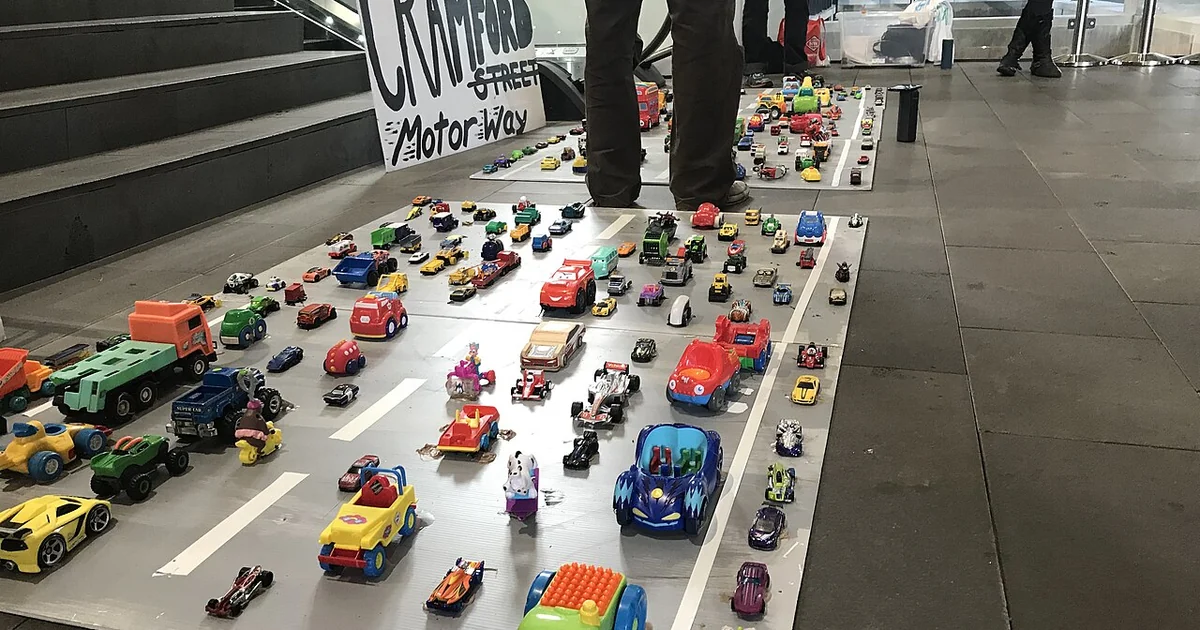
Most collectors start with a few printed models on a windowsill and end up with dozens spread across shelves, drawers, and a desk corner. By the time someone asks where a particular piece came from or whether its tag was ever checked, the answer is usually a vague memory. This article focuses on one angle that is often skipped: writing down, at the moment you acquire or inspect a model, exactly what you know, what you checked, and what you still cannot answer. The aim is a record that stays useful years later, even when your memory of the details has faded.
Start With a Single Entry Per Object
A documentation system works best when every physical model has its own entry. Avoid grouping several cars under one line such as 'printed cars, batch of four.' Separate entries let you note different conditions, different sources, and different tag histories. Give each entry a simple internal reference number, written on the entry and, if you wish, on a removable label placed somewhere inconspicuous such as the base of the display stand rather than the car itself.
For each entry, record the model name as it appears on the car or its packaging, the scale if stated, the date you took possession, and the physical state at that moment. A short description of color, finish, and any visible marks is enough. Photographs taken under the same light each time make later comparisons far easier than written notes alone.
Separate What You Observed From What You Were Told
One of the most common documentation mistakes is blending observation with claims. When a seller tells you a model was printed in a particular run, or that a tag belongs to a specific production batch, that is a claim. When you see the car, feel its joints, or read a printed label, those are observations. Keep them in separate fields. A useful format is two columns: 'Seen or checked by me' and 'Stated by another party.' Under the second column, record who said it and when.
This separation matters because claims age poorly. A statement made in a message thread last spring may be impossible to trace in a year. Your own observations, recorded with a date, remain yours to rely on.
Recording a Tag Check Without Overreading It
Some Mint Motors Club pieces carry a QR code that can be scanned to check verification. When you scan one, record the date, the time, and the exact result shown on your screen. Write down the verbatim wording rather than a summary, because the difference between 'verified' and 'matches a record' can matter when you revisit the entry. Then add a second line answering a narrower question: what did this scan establish, and what remains open?
A scan result answers a specific question about the tag. It does not settle every question about the object's history, condition, or whether a later owner altered it. Treating the scan as the end of your inquiry is the mistake to avoid. Note the open questions explicitly, such as who held the car before you, whether it has been repainted, or whether any parts were replaced. Leaving those as blank fields reminds you to keep investigating rather than assuming the matter is closed.
A Practical Checklist for Each New Acquisition
Before you close an entry, work through a short list. First, confirm the model name and scale against what the object itself shows. Second, record the source: the seller, the event, or the shop, along with the date and the payment reference if you keep one. Third, photograph the car, the base, and any packaging, noting the lighting conditions. Fourth, perform a tag scan if a code is present, and copy the result exactly. Fifth, record the condition, including any joint looseness, paint chips, or dust on surfaces. Sixth, write one sentence beginning with 'Unresolved:' that names the most important question you cannot yet answer.
Returning to this checklist at each acquisition keeps the habit consistent. Over time you will notice patterns, such as which sources tend to leave the most questions open, and you can decide for yourself how much weight to give future offers.
Reviewing Your Records on a Schedule
A record is only useful if you revisit it. Pick a regular interval, perhaps each season, to read through your entries and update them. Check whether any 'Unresolved' questions have been answered, and mark those resolutions with a new date rather than erasing the original note. If a model has moved shelves or been handled for maintenance, add that to its timeline. Condition changes that occur gradually, like a slight loosening of a joint or a shift in finish under strong light, are easiest to catch when earlier notes exist for comparison.
Finally, keep your records somewhere you will actually open. A well-organized spreadsheet, a paper binder, or a plain document all work. The best system is the one you will maintain, because documentation done once and forgotten offers little protection against the confusion that builds up in a growing collection.