Documenting Your Collection With a Question-First Record Sheet
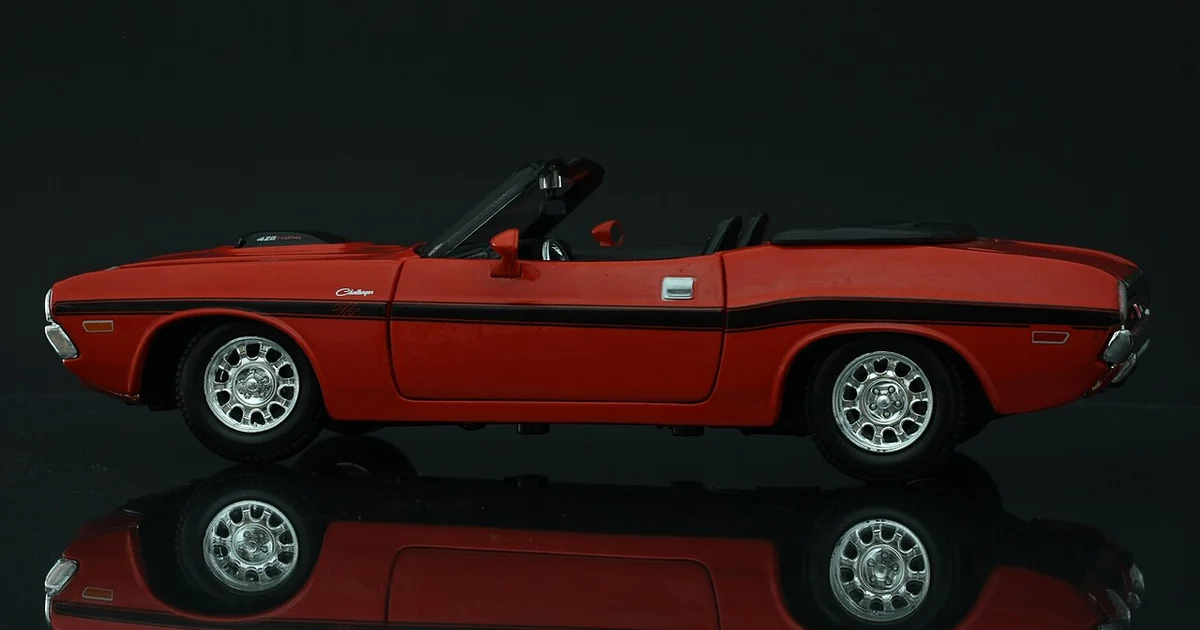
Most collectors keep some record of what they own, but the records often fail at the moment they are needed most. A receipt sits in an envelope, a photo lives on a phone, and a note about a scan result is scribbled on the back of a box. When a question comes up months later about where a piece came from or what it was checked against, the answer is scattered. This article describes a question-first record sheet: a simple document built around the questions a collector actually has to answer, so each entry points to its own evidence and its own gaps. Nothing here depends on any particular product feature. It is a method you can apply to any collection.
Start With the Questions, Not the Fields
Many record-keeping templates begin with a long list of fields: name, scale, date, price, condition, notes. Those fields are useful, but they do not tell you what a record is for. A question-first approach reverses the order. Before you design any sheet, write down the questions you expect to ask about a model car in five years. Examples include: Where did this come from? What was I told about its identity at the time? What did I check, and with what result? What has changed physically since I received it? Which of these questions can I not yet answer?
Each question becomes a row or a section. This keeps the record honest. A field labeled 'Authenticity' invites a single word such as 'verified' that hides how it was verified. A question labeled 'What did I check, and what did the check not cover?' forces a more precise entry. The gaps become visible, which is the most valuable thing a record can do.
Build a One-Page Sheet for Each Piece
A practical layout is one page per model, kept in a folder or a single document with consistent headings. The top block records identifying facts: the model name as you know it, the scale, the print date if you know it, the batch or tag details you can read, and a short description of the exterior and any visible markings. The second block records acquisition: the seller or source as you understand it, the date you received it, the amount you paid in whatever form you recorded it, and any documents you received.
The third block is where the question-first idea does most of its work. List each claim someone made about the piece, one per line. Beside each claim, write the evidence you have and the date you examined it. Then add a line labeled 'Not yet confirmed' and list anything you could not check. Keep the final block for physical condition over time: handling notes, any joint wear, finish changes, and what you did about them.
Photos belong in the record, but a photo alone answers no question. Attach each image to a specific line. A photo of the underside labeled 'tag area, taken at receipt' is far more useful than an unlabeled gallery.
Separate What You Observed From What You Were Told
One of the most common weaknesses in collection records is the blending of observation with hearsay. A seller says a piece is from a limited run. You see a tag. You recorded both as if they were the same kind of fact. A better record keeps them apart. Use two labels: 'Observed' for things you examined yourself, and 'Reported' for things you were told or read. Under each label, note the date and the source.
This habit matters most when you later revisit a claim. If an entry says 'limited run, reported by seller, date received,' you know exactly what kind of confidence to place in it. If the same claim sits next to an observation, you may over-trust it. Keeping the two categories separate is a discipline, not a formality, and it costs only a few seconds per entry.
A Checklist for Reviewing Each Record
Once a quarter, or whenever you add a batch of pieces, review your sheets against a short checklist. First, confirm that every claim has a date and a source label. Second, look for claims with no observation beside them and mark them as open questions. Third, check that every photo referenced still exists where you filed it. Fourth, update the condition block for anything you handled, cleaned, or moved. Fifth, read through the 'not yet confirmed' lines and decide whether you have the means to answer any of them now.
Keep the review short. The purpose is maintenance, not perfection. A record with clearly marked gaps is more trustworthy than a tidy one that quietly assumes answers it does not have.
Comparing Record Formats Honestly
You can keep this kind of record in a paper binder, a spreadsheet, or a plain document. A binder is hard to lose in a power outage and easy to annotate by hand, but it is harder to search. A spreadsheet makes searching and sorting by acquisition date easy, though it can encourage cramped entries that drop the observed-versus-reported distinction. A plain document with consistent headings is flexible and readable, but it grows unwieldy past a few dozen pieces unless you split it into one file per model.
Whichever format you choose, the question-first structure matters more than the medium. Make sure the format lets you write a gap, date a claim, and attach a photo to a specific line. If it does those three things, it will serve you well.