Mapping a Print Batch: Tracing Where Each Model Car in Your Collection Came From
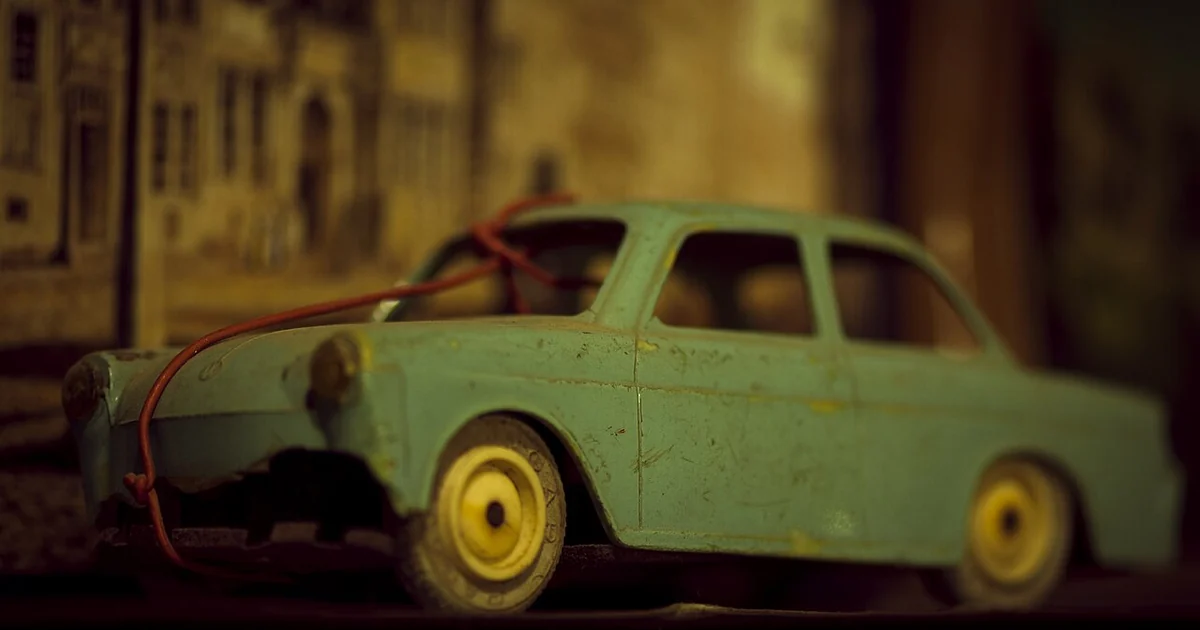
Most collectors remember the moment they unboxed a favorite model, but far fewer can say with confidence what happened to that piece before it reached their shelf. Was it printed in the same run as the others? Who handled it between the printer and the seller? Did anyone record a tag check at any point? These questions matter because a collection is only as trustworthy as the records behind it. This article offers a way to trace the path of each model car, organize what you learn by print batch, and keep honest notes about what remains unknown. It does not claim that any particular service performs functions beyond what is described on the brand's site. Instead, it treats verification as one piece of evidence among several.
Start With What You Can Observe Directly
Before you look at any tag or certificate, record what the piece itself shows. Note the model name, scale if stated, color and finish, print orientation if visible, and any markings on the base or underside. Photograph the piece from several angles under the same light so you can compare later. Write down the date you received it and the seller or source, even if the source is informal, such as a friend, a swap meet, or an online listing.
Observation is cheap and it creates a baseline. If you later question a piece, a dated set of photos and notes lets you see whether the surface, joints, or finish have changed. Without that baseline, you are relying on memory, which tends to drift toward whatever you hoped to see.
Defining a Print Batch in Practical Terms
A print batch is the group of pieces produced in one run or one session. Collectors rarely receive batch information directly, so you often have to infer it. Useful clues include small differences in layer lines, slight variations in color from one filament spool, consistent flaws across several pieces, and matching packaging or labels. Group pieces you suspect share a batch on a single sheet in your record.
Keep your inferences separate from facts. Write 'probable batch, based on matching filament shade and layer pattern' rather than simply 'batch 3.' This habit protects you from treating a guess as a record. When new evidence arrives, you can revise the grouping without rewriting history.
Recording Tag History and Verification Status
If a piece carries a QR tag, record the date you first scanned it, the result you saw, and the exact wording on the screen or page that appeared. Do not paraphrase the result in your notes. A verification outcome answers a narrow question, and the wording matters. Write down what the scan appeared to confirm and, separately, what it did not address, such as who held the piece before you or whether the piece was modified after the tag was applied.
Repeat the check when you have a reason to, such as after a move, a handling incident, or when you are preparing to sell or trade. Date each check. A history of checks, with results, tells a more complete story than a single entry.
A Checklist for Each Piece
Work through these questions for every model in your collection, and record the answers in plain sentences:
First, what is the piece, and where did I get it? Second, what did I observe on arrival, and do I have dated photographs? Third, which print batch do I believe it belongs to, and what evidence supports that belief? Fourth, what tag or verification records exist, and what did each one actually show? Fifth, what is still unknown, such as prior ownership, storage conditions, or whether repairs were made? Sixth, when should this piece be reviewed again?
Answer the fifth question honestly even when it feels uncomfortable. An entry that says 'prior owner unknown' is more useful than one that silently assumes a clean history.
Organizing the Ledger Over Time
Once you have records for several pieces, sort them by print batch, then by source, then by open questions. A spreadsheet or a printed binder both work. The goal is to see patterns: perhaps most of your uncertain pieces came from one seller, or a particular batch has consistent tag results while another has none. Those patterns suggest where to focus your questions next.
Revisit the ledger each season. Add new photos, update the status of open questions, and retire entries that are now resolved. A ledger that is reviewed regularly stays accurate; one that sits untouched slowly becomes a fiction. Over time, the document becomes the most valuable thing about your collection, because it records not only what you own but how well you understand it.