Verifying a Printed Car's Claim: A Question-First Method for Collectors
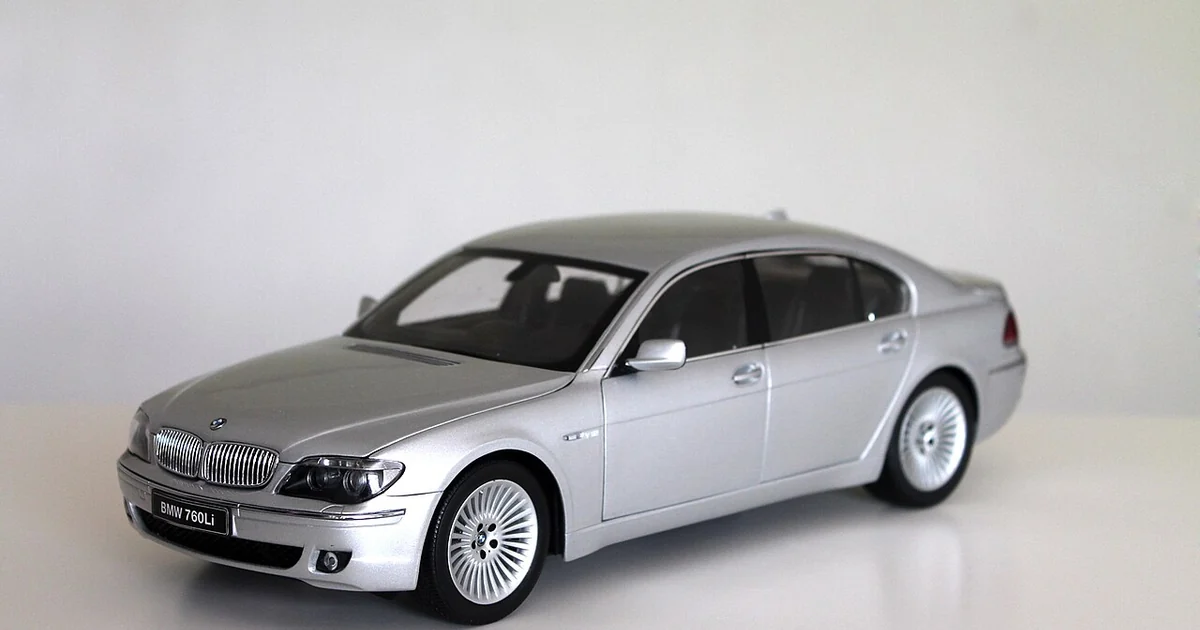
Most collectors meet an authenticity question the same way: a car arrives with a tag, a card, or a QR code, and the seller says it is genuine. The moment is easy to pass over. A better habit is to slow down and separate what you have been shown from what you have actually confirmed. This article offers a question-first method for weighing a printed car's claimed authenticity, and it is meant for enthusiasts and collectors who want a clear process rather than a feeling of trust.
Start by Naming the Claim Precisely
A vague question produces vague answers. Before you check anything, write down the exact claim being made. Is it that the model was produced by a particular maker? That it belongs to a specific edition? That it is the piece pictured in a listing? Each of these is a different claim, and each needs different evidence.
Keep the claim in one sentence. For example: 'This printed car is the item associated with this tag, and the tag was issued for this specific piece.' Writing it out forces you to notice when a seller's story quietly changes from one claim to a broader one. A scan can support a narrow statement and still fail to support a broad one.
What a QR Scan Can and Cannot Settle
The brand's published description for its verification feature states that a collector can scan a QR code to verify a 3D printed car's authenticity, with the check described as using Ed25519 cryptographic verification. Treat that as a description of what the tool is designed to do, not as a guarantee about every object you will ever handle.
A useful way to read a scan result is to ask two separate questions. First, did the check return a result that matches the tag in your hand? Second, does that result answer the claim you wrote down in the first step? A successful scan can show that a tag is consistent with a record. It does not, by itself, prove who holds the physical car, whether the tag has been moved from another object, or what happened to the car between issue and purchase. Record these gaps in plain words rather than letting a green result close the file.
Build a Paper Trail Around the Physical Object
Verification works best when it is connected to a documented history. Gather whatever you can: the order or receipt if you bought directly, the listing and its date, photos taken at the time of sale, and any correspondence in which the seller described the piece. Note which items are first-hand records and which are second-hand summaries.
Compare the physical details against your photos. Look at the base, the wheel arrangement, surface finish, and any markings you can see without disassembling anything. Mismatches between the object and its photos are worth a written note even if they have innocent explanations, such as a repainted wheel or a damaged mirror that was replaced.
A Short Checklist for Each Acquisition
Use this sequence each time you add a piece, and keep the answers with the item's file:
1. Write the authenticity claim in one sentence. 2. Note who made the claim and when. 3. Scan the tag and record the exact result shown, along with the date and time. 4. Write what the scan confirms and, separately, what it leaves open. 5. Attach photos of the tag and the object's identifying features. 6. List any gaps in the chain between issue and your possession. 7. Mark the file as complete, partial, or open with a reason.
The final step matters most. A file marked open is not a failure; it is an honest record that tells your future self where to look. Collectors who skip it often end up trusting an old result that no longer answers the question they are asking.
Reviewing Claims Over Time
Revisit open files when new information appears: a returned photo, a clearer receipt, or a seller who responds to a question. Update the record instead of overwriting it, so the sequence of what you knew and when remains visible. Over a few years, a set of dated, question-driven files becomes more useful than any single verification result. It shows you what you checked, what you could not check, and where your confidence is earned rather than assumed.