Documenting Collectible Model Cars From Print Bed to Display Shelf
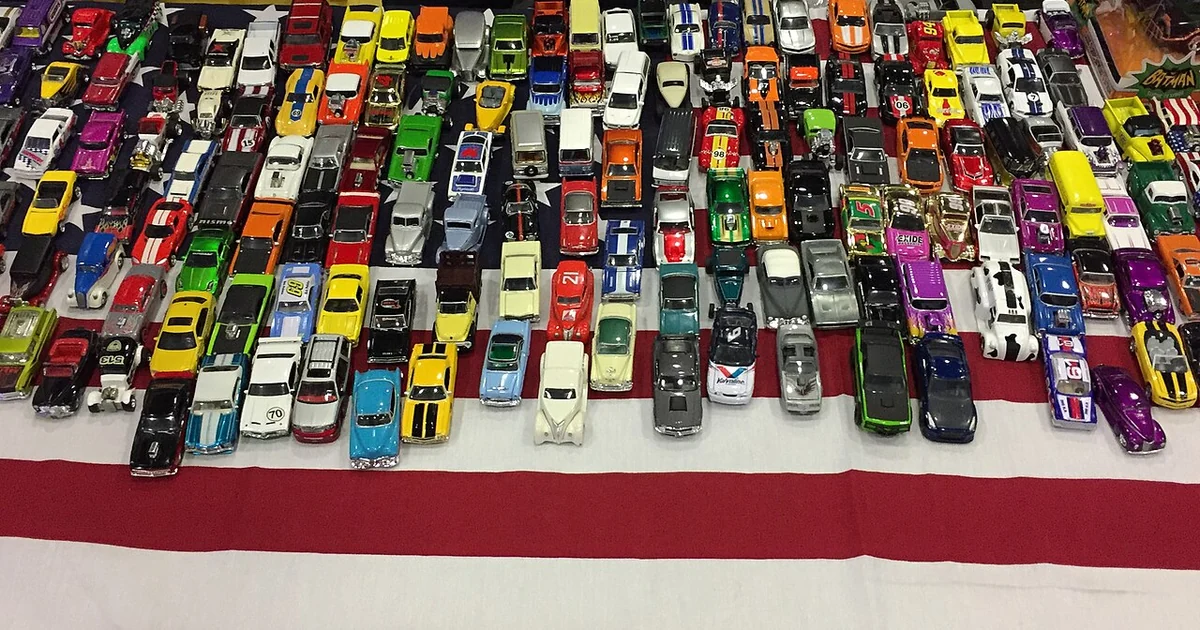
Most collectors remember how a model car arrived, but few can reconstruct the full path it took from file to finished piece. A short, consistent record for each model turns memory into evidence. This article describes a method for documenting collectible printed model cars at the level of individual pieces, with attention to what the record should capture, what a verification step can and cannot establish, and how to keep the record current as the piece ages. The goal is not a perfect archive. It is a document you can read a year from now and still trust.
Start With a Single Page Per Model
Resist the urge to build one large spreadsheet that tries to hold everything. A single page per model, kept as a text file, a notebook entry, or a simple folder with a photo and a note, is easier to update and harder to neglect. Give each page a stable identifier you assign yourself, such as a year, a shelf letter, and a sequence number. Use that identifier on the physical piece's base or on a discreet tag inside a drawer if the display allows it.
On the first page, record what you observed when the piece arrived: the date you received it, the condition of the packaging, the presence or absence of a printed tag or QR code, and any included paperwork. Write down what you saw, not what you assumed. If the piece came without a tag, say so plainly. Blank fields are useful information.
Separate Verification Results From Your Own Conclusions
A common error in collection records is blending what a check showed with what the collector believes. A QR scan that returns a result is one kind of evidence. Your memory of the seller's description is another. A photograph of the base is a third. Keep these in separate lines on the page, labeled by source and date. When you scan a tag, record the date, the exact text or status the scan returned, and whether the scan was performed by you or by someone else you trust.
Mint Motors Club describes its QR-based verification as an instant check of a printed car's authenticity using Ed25519 cryptographic verification. Whatever wording you use in your own notes, keep the claim to what the check returned at the time you ran it. Do not extend a single result into a permanent guarantee about the piece, the seller, or the supply chain. A record that says 'scan returned verified on this date' is accurate. A record that says 'this piece is authentic forever' goes beyond what a scan can settle.
Ask the Questions a Scan Cannot Answer
Before you close a page, write down the questions the record still leaves open. These are often more valuable than the answers you have. Examples include: Who was the previous owner, and do you have a written record of that transfer? Was the piece displayed under strong light for extended periods? Has the tag been removed, reattached, or photographed separately from the car? Has any part been replaced, re-glued, or repainted?
Keep an 'open questions' line on every page and review it at a fixed interval, perhaps each season. When a question is answered, move the answer to a dated entry rather than deleting the question. This makes the history of your understanding visible, which is useful if you later need to explain why you trusted a piece at a given time.
Record Physical Condition With a Repeatable Routine
Photographs age poorly as evidence if they are taken inconsistently. Choose a fixed set of views for every model: front three-quarter, rear three-quarter, base or underside, and a close view of any tag or marking. Shoot under the same kind of light each time, and note the lighting in the caption. Include a scale reference, such as a ruler held beside the piece, so future comparisons make sense.
Add a short condition note with dates. Describe joints, paint or finish, edges, and any stiffness or looseness in moving parts. You do not need technical vocabulary; plain statements such as 'rear axle moves freely, no play' or 'small scuff on left sill, present since first photo' are enough. Repeat the routine at a fixed interval, such as every six months, and compare against the earlier entry.
A Practical Checklist for Each Entry
Use the same short checklist for every model so your records stay comparable. First, record the identifier, the date received, and the source as you understand it. Second, record the tag status: present and readable, present but damaged, absent, or not yet checked. Third, log any verification check you ran, with the date and the returned status in your own words. Fourth, attach the standard photographs and note the lighting. Fifth, write a condition summary with a date. Sixth, list open questions. Seventh, note any handling, repair, or relocation events since the last review.
Finally, read each page once a year as if you were a stranger. If you cannot tell from the page what the piece is, where it came from, and what remains uncertain, the record needs more detail. A good collection record is one that a future version of you, or someone you trust, can use without asking you a single question.