Verifying a Model Car's Origin: A Chain-of-Evidence Approach
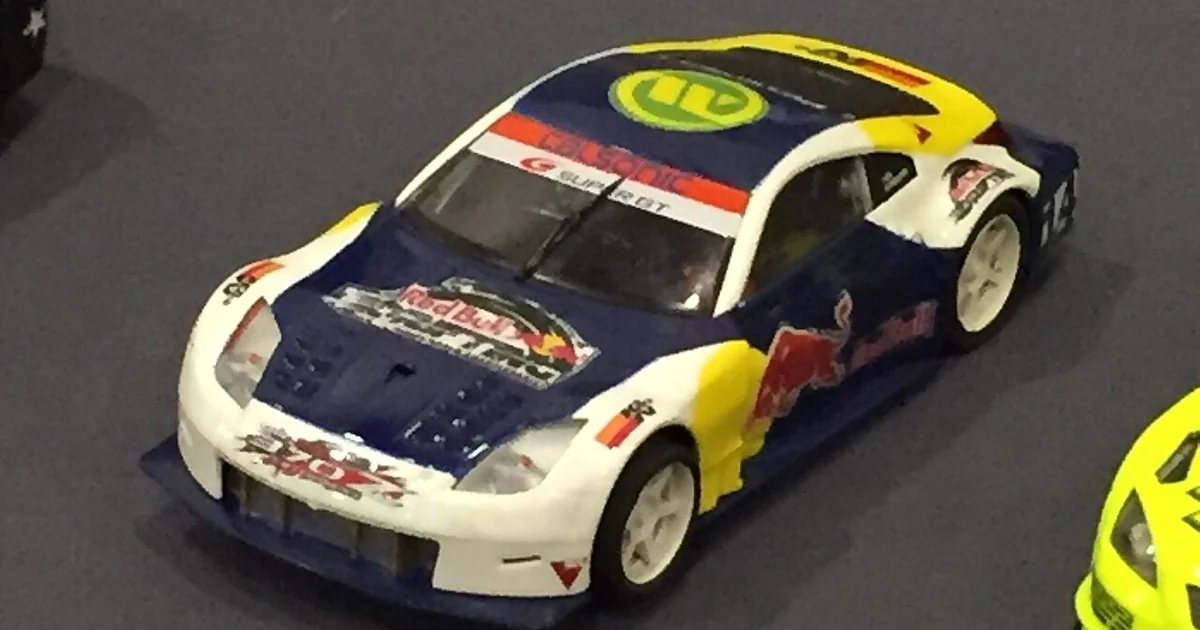
Collectors often treat a single confirmation as the end of an investigation. A QR code scan that returns a positive result feels like a verdict, and in many cases it is useful evidence. But a scan answers one narrow question, and the rest of the picture still needs assembling. This article offers a method for building a chain of evidence around a printed model car, so that your confidence rests on several independent points rather than one moment at a screen. The approach is general and applies to any collectible you own, whether you bought it directly, traded for it, or inherited it.
Start by Separating the Claim From the Object
Before you inspect anything, write down exactly what you believe about the piece. A claim might be that the car was produced in a particular run, that it came from a specific seller, or that it is the item described in a listing. Each of these is a separate statement, and each needs its own support. Collectors who skip this step tend to blur a verified object with a verified story about that object.
Keep the object and the claim apart in your notes. The physical model is one thing; the account of where it came from is another. A scan may speak to the first while saying nothing about the second. Writing the two as separate lines prevents you from treating a good result on one as proof of the other.
Gather Independent Sources of Evidence
Good evidence is independent, meaning that one source does not simply repeat another. A purchase receipt, a message thread with a seller, a photograph taken on the day you received the piece, and a verification result are four different kinds of record. If they all trace back to one seller's word, they carry less weight than they appear to. Ask of each item where its information originated.
Build a short list for every piece: the physical features you can observe, the documents you hold, the communications that accompanied the sale, and any verification output. Note which entries you can check yourself and which depend on someone else's assertion. The gaps in this list are as informative as the strengths, because they show you what remains to be confirmed.
Reading a Verification Result Carefully
When you scan a QR tag on a printed car, the result tells you something about that tag and what it is linked to. It is reasonable to treat a successful confirmation as meaningful for the identity question it addresses. The discipline lies in not stretching that answer. A result that confirms a tag's association with a record does not automatically confirm that the tag has stayed on the same car since it left the maker, or that the car was handled properly afterward.
Write down the exact wording of the result, the date and time of the scan, and the condition of the tag when you scanned it. Note whether the tag looks original, reattached, or damaged. These details matter if you later need to explain what you checked and when. A scan is a snapshot, so recording the circumstances of that snapshot keeps the record honest.
A Practical Checklist for Each Piece
Work through the same questions for every model in your collection so that your records stay comparable. First, does the object match its written description in size, color, and visible detail? Second, do your purchase records name the seller, date, and price paid, and can you point to where each is stored? Third, is the tag present, undamaged, and in the position it would normally occupy? Fourth, what did the most recent scan return, and when did you run it?
Fifth, which of these answers depend on a single source? Sixth, what question would a skeptical buyer ask that you cannot yet answer? Record the answer to each question in a single line beside the piece's entry. A collection built this way is easier to audit, easier to hand over to a future owner, and much easier to reason about when a question arises months later.
Keeping the Record Current
Verification is not a one-time task. Your evidence changes as you acquire new documents, reorganize your shelves, or learn more about the piece's history. Set a regular point, perhaps each time you add a new piece or once a season, to revisit the chain for existing items. Update the entries where new information has arrived and mark any open questions you have resolved.
The goal is a record that tells an accurate story: what is established, what is supported by a single source, and what remains unknown. A collector who can state those three categories clearly will make better decisions about buying, trading, and displaying pieces than one who relies on a single confident scan.