Sorting Your Model Car Collection by Source Gaps and Unanswered Questions
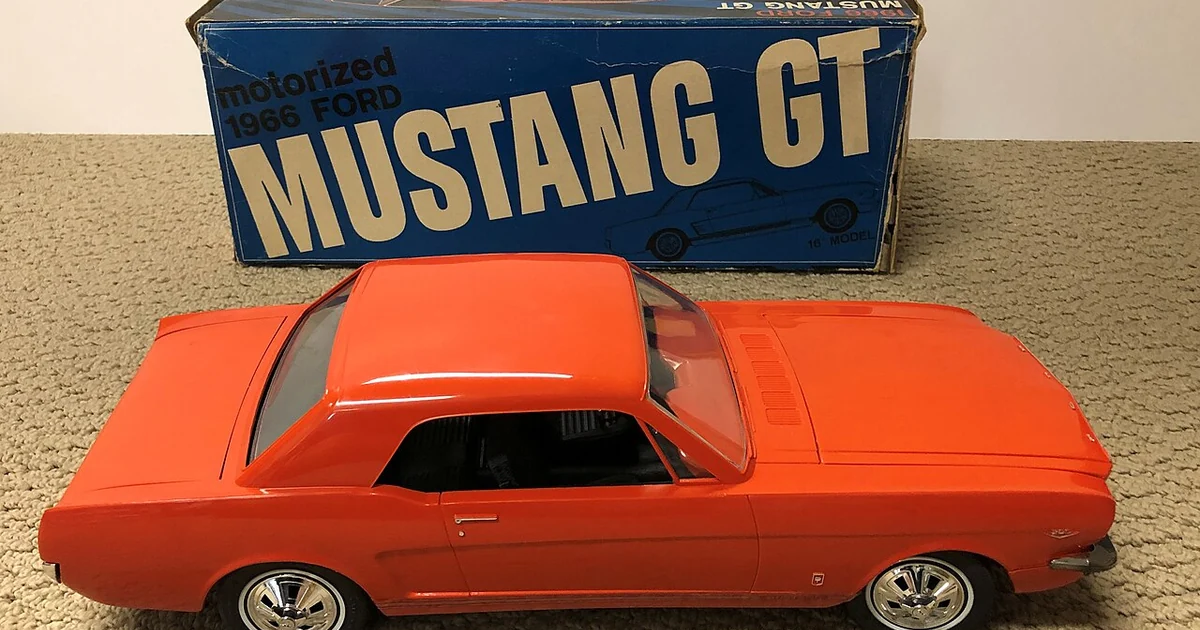
Most collectors start by sorting their models by scale, make, or color, and that works fine until the shelves get crowded and a few pieces start to feel uncertain. A model car may have a clear origin in your memory but no written trail, or it may carry a tag that you have never actually checked. A different approach is to sort your collection by the gaps in its records: which pieces are well documented, which rely on a single source, and which still raise questions you have not answered. This article describes a method for building that kind of sort, along with the questions to ask and the limits to keep in mind.
Start With Acquisition Source, Not Appearance
Appearance tells you what a model looks like, but it says little about where it came from. Two identical-looking printed cars can have very different histories, and the difference often matters when you want to resell, trade, or simply explain your collection to someone else. Begin by assigning each piece a source category: purchased from a named seller, received as a gift, traded with another collector, printed by you, or acquired without a clear record.
Write the category down in a single ledger, even if it is a plain spreadsheet or notebook. Do not worry about precision at this stage. The goal is to see the shape of your collection, not to perfect it. Many collectors discover that a large share of their pieces fall into the "no clear record" group, and that finding alone is useful because it tells you where to focus your attention.
Score Each Piece by the Strength of Its Record
Once every piece has a source category, add a second column that rates how strong the supporting record is. A simple three-level scale works well: strong, partial, and weak. A strong record might include a receipt or message thread, a photo taken at acquisition, and a written note from the time. A partial record might be a memory you trust but cannot document, or a single photo without context. A weak record is one where you have only an assumption.
Rating records this way forces honesty. It is easy to remember a piece as well documented when your actual evidence is thin. Ask yourself what you could show a skeptical friend today, not what you believe happened. Update the ratings whenever you find new evidence, and leave the old rating visible so you can see how your understanding has changed over time.
Separate Verification Status From Ownership Status
A common source of confusion is treating two different questions as one. Ownership status asks whether you have a sound record of acquiring the piece. Verification status asks whether a specific identity or authenticity claim about the piece has been checked, and by what method. A model can be clearly owned by you and still have an unverified claim attached to it, such as a tag or a stated origin.
Keep these as separate columns. For verification, record the method used, the date, and the result. If a piece carries a QR code, note that a scan was performed and what the scan returned. Be careful with interpretation here: a scan result answers only the specific question the verification system was designed to answer. Write down what the scan did not address, such as where the object was printed or who handled it afterward. Keeping the two columns apart prevents a clean verification result from quietly being read as a full ownership history.
A Short Checklist for Each Piece
To keep the ledger consistent, use the same questions for every model. First, what is the acquisition source category? Second, how strong is the supporting record, and what specific items make up that rating? Third, is there any identity or authenticity claim attached to the piece, and has it been checked? Fourth, what method was used, and when? Fifth, what question remains open after that check?
The fifth question is the most valuable. Open questions are the items you will revisit. Some will be easy to close, such as finding an old order confirmation in an email archive. Others may never be fully answered, and it is better to record them honestly than to pretend they are settled. Review the open-question column once a season so that the list does not grow silently.
Using the Sorted Collection Without Overreaching
Once your ledger is in place, you can use it to decide how to display, store, and talk about each piece. Pieces with strong records and completed verification can be described plainly. Pieces with partial or weak records should be described with the same plainness, which means stating what you know and what you do not. When you share your collection with other enthusiasts, the ledger gives you a consistent way to answer questions without guessing.
Remember the limits of any single check. A verification result, a receipt, or a photo each answers a narrow question. Combining several narrow answers gives you a fuller picture, but it still may not be complete. A collection organized around its open questions is more honest, and over time it is more useful than one organized only by appearance.