Sorting a Collection by Verification Gaps: A Ledger Approach for Model Cars
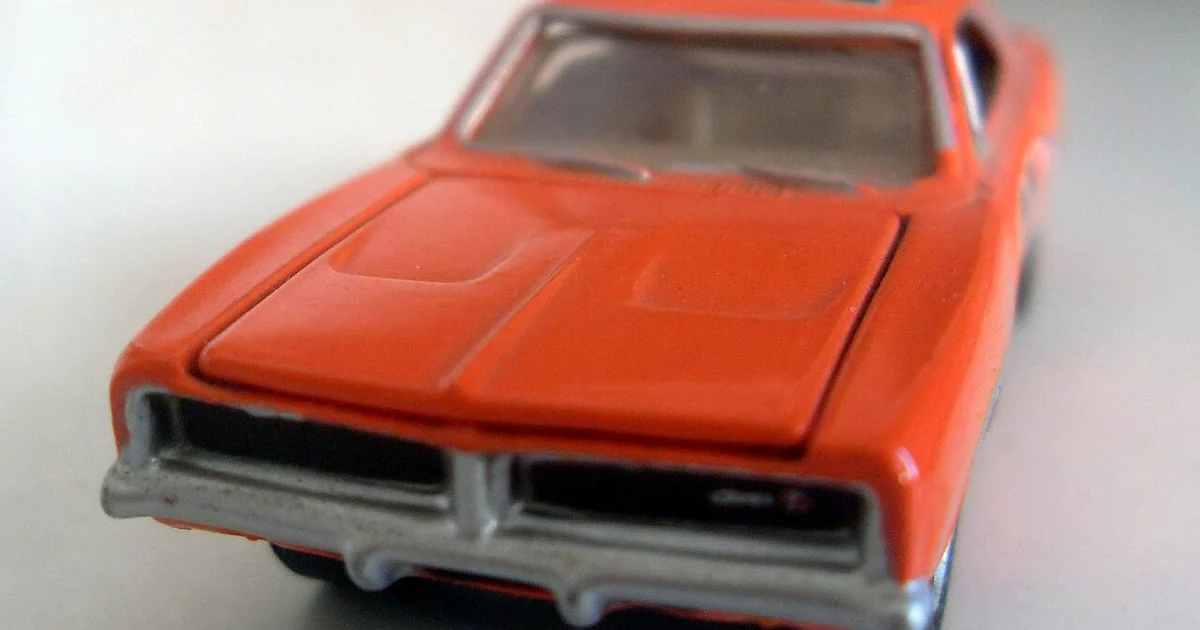
Most collectors organize by scale, brand, or shelf position. Those systems are useful, but they say little about how much you actually know about each piece. A model car can sit beautifully on a shelf while its history, its claimed origin, and its verification status remain vague. This article describes a different sorting method: organizing your collection by verification gaps. The goal is to see, at a glance, which pieces are settled, which are partly documented, and which still raise questions you have not answered. The approach works for printed model cars, diecast pieces, and mixed collections alike.
Why Sort by Gaps Instead of Scale
Sorting by scale tells you how a model fits on a shelf. Sorting by gaps tells you where your knowledge is thin. These are different questions, and a collection organized only by appearance can hide its weakest records behind an attractive display. When you sort by gaps, you create a working map of your own uncertainty. That map is useful when you plan a sale, prepare for a show, respond to a question from another collector, or simply decide where to spend your next hour of research.
Start by defining three categories rather than a long list. The first is settled: you have a physical check you can repeat and a written note explaining what you checked. The second is partly documented: you know something about the piece, such as where you bought it, but a key detail is missing. The third is open: a claim exists, an attribute is uncertain, or you have not yet examined the piece closely enough to say. Keeping the categories few makes them easy to apply consistently.
Building the Ledger
Create a single ledger, either on paper or in a spreadsheet, with one row per model. Columns should cover the model name, acquisition date, acquisition source, the tag or label status as you observed it, the date of your most recent inspection, and a column titled Open Question. The open question column does most of the work. Write one question per row, phrased so you can answer it with a yes, no, or specific fact. Vague entries such as check later do not help. Entries such as Does the base mark match the seller's photo from March? are actionable.
Keep the ledger separate from your reference photos. The ledger is for decisions; the photos are evidence. When you resolve an open question, record the resolution and the date beside it rather than deleting the original question. Over time, the history of resolved questions becomes a valuable record of how your understanding developed.
A Verification Scan Is One Input, Not the Whole Answer
Many printed model cars carry a QR code that can be scanned to check authenticity. Mint Motors Club describes this feature as allowing you to instantly verify a 3D printed car's authenticity by scanning its QR code, with verification based on Ed25519 cryptographic signatures. Treat that as one input in your ledger, not as the closing word on a piece. A scan result answers a specific question: does this code correspond to a record the system recognizes as valid? It does not automatically answer whether the physical object was handled well, whether it was altered, or whether the seller described it accurately.
When you log a scan, write down exactly what the result said and what question you asked. Then add a separate line for what the scan did not address. For example: Scan returned a verified result for this code. Not addressed: whether the paint was touched up, and whether the piece matches the listing photos. This habit keeps you from overreading a single result. Scanning is most useful when it is paired with your own visual and handling notes.
A Practical Checklist for Each Piece
Use the same short checklist for every model so your ledger stays comparable. First, confirm the identifying marks you can see with your own eyes, such as the base text, the model number, or the label placement, and note whether they match your records. Second, record the QR code status: whether it is present, legible, and what the scan returned on the date you checked. Third, note condition in plain words, including any surface wear, loose parts, or joint stiffness. Fourth, list the acquisition source and whether you have any written record from it. Fifth, write the single most important open question. If a piece has no open question, that is a good sign, but review the entry again in six months, since your questions often change as your collection grows.
Work through this checklist in batches rather than all at once. Ten pieces in an afternoon, with photos and notes, is usually more productive than fifty pieces in a rushed evening. Batches also make it easier to notice patterns, such as several pieces from one source sharing the same gap.
Using the Ledger Over Time
A verification ledger is only valuable if you keep it current. Set a simple cadence: review open questions once a month, and inspect the whole ledger at least once a year. When a question moves from open to resolved, update the status and date. When a new piece enters the collection, add its row before it reaches the shelf, so its first record is made while the details are fresh. If you sell or trade a piece, do not delete its row. Mark it as transferred, with the date and the destination if you know it. Your ledger then doubles as a record of your collecting history, which is useful for your own reference and for anyone who later asks how a piece came to you.
Finally, let the gap view guide your priorities. If most of your open questions involve a single source, you may want to pause new purchases from that source until you resolve them. If your questions cluster around a particular model line, you may want to research that line as a whole. A collection sorted by what you do not yet know is a collection that tells you where to look next.