Scan Results and Open Questions: A Verification Log for Printed Model Cars
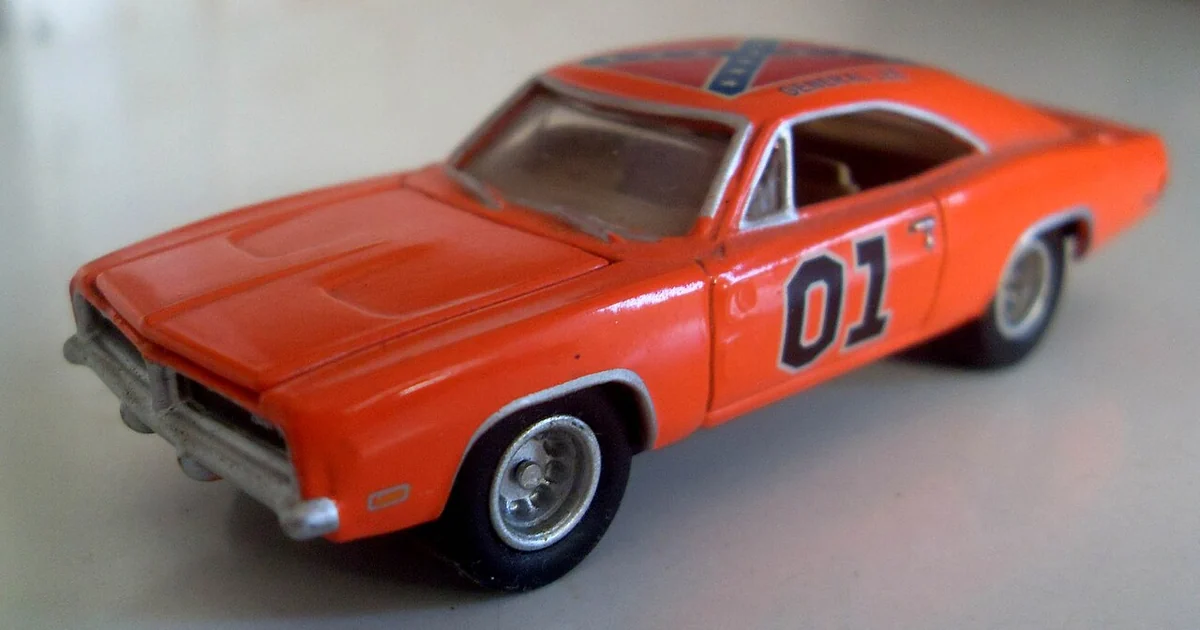
A QR code on a printed model car invites a quick answer: scan it, read the result, and move on. Experienced collectors treat that moment differently. They ask what the result actually establishes, what it does not, and how to write it down so the record still makes sense years later. This guide takes a narrower angle than most collection advice. Instead of asking how to organize a shelf or care for paint, it focuses on the discipline of recording a single verification event accurately, and on the open questions that remain after the scan.
What a verification step can establish
The brand describes its verification as a scan of the QR code on the car, checked with Ed25519 cryptographic verification. In plain terms, the process is designed to check whether a tag matches a record the system recognizes. That is a useful thing to know, but it is also a specific thing. A successful check tells you that the tag and the record agree at the moment you scanned it.
Before writing anything down, separate three ideas: that a tag exists, that the tag reads correctly, and that the physical object is the one the record describes. A scan speaks most directly to the first two. The third depends on how the tag is attached, whether it remains on the same car, and whether the car has been altered, repainted, or swapped since the record was made. Keep those ideas apart in your notes so a future reader does not assume more than you checked.
Writing a scan entry that stays honest
A useful log entry records the date, the time, the lighting and location of the scan, the exact result shown on screen, and the state of the tag at that moment. Note whether the QR code was clean, partly obscured, scuffed, or reflective. If the result was ambiguous or the app asked you to retry, write that down too. A clean record of a messy event is more valuable than a tidy record that hides the mess.
Use your own words for what the result says, and quote the exact wording when it matters. Avoid writing 'verified authentic' unless that phrase is literally what the result displayed, and even then add the context of what the check covered. Phrases like 'tag matched record on this date' are more precise and easier to defend later.
Questions a scan does not answer
Collectors often find that the most important questions are the ones a scan cannot close. Was this car altered after the record was created? Did the tag travel with the car from its original source, or was it added later? Does the physical model match the description in the record in details the tag does not cover, such as finish, joints, or markings? Who handled the piece between acquisition and today?
Write these as open items beside each scan entry. A simple format works well: a short list under each car, with one line per unresolved question and a note of what evidence would settle it. Revisit the list when you acquire new documents, when you examine the car closely, or when you talk with a seller or another collector. Closing an open item is progress, and leaving it open is an honest status, not a failure.
A practical checklist for each verification event
Work through this list each time you scan a tag and record the result:
First, confirm the date and time, and note the scanning conditions such as light level and whether the code was fully visible. Second, copy the displayed result in the exact wording shown. Third, state the scope in one sentence: which tag, which car, and what the result did and did not cover. Fourth, record the physical condition of the tag and the car at the time of scanning, including any damage or repairs. Fifth, list open questions that the scan leaves unanswered. Sixth, date your entry and initial it, so later edits are visible as edits.
Review these entries once a year. Look for tags that have worn, cars that have been handled more than expected, and open questions that have quietly stayed open. A verification log is most useful as a living record that shows how your understanding changed over time, not as a single stamp of approval.