Organizing a Model Car Collection by Open Questions and Unverified Claims
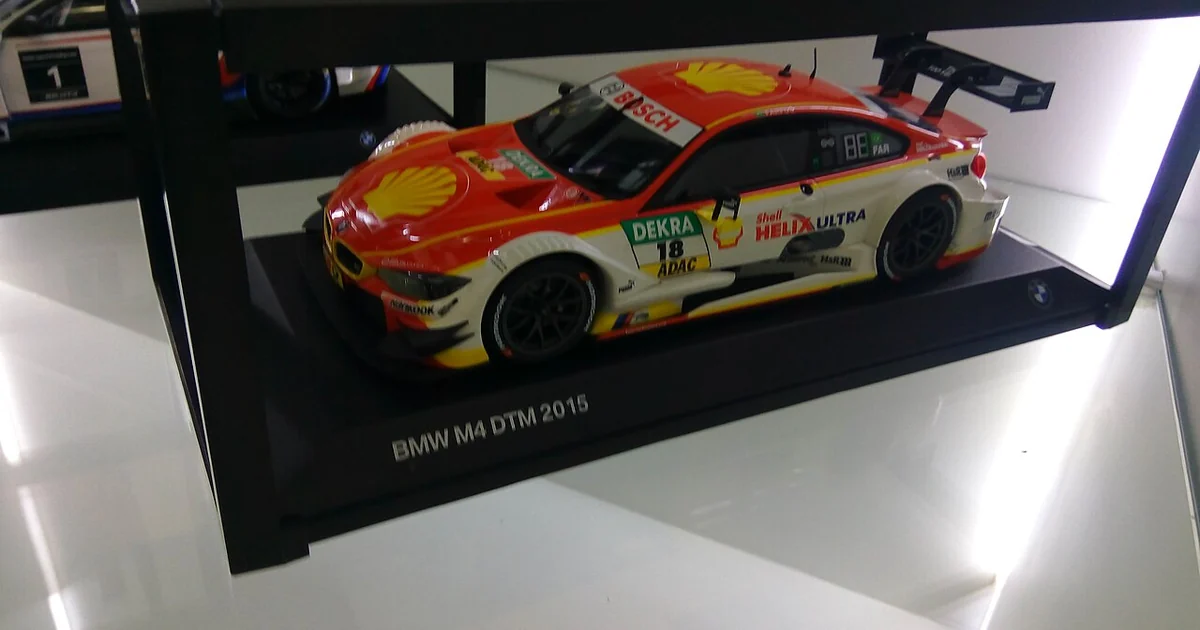
Most collections are organized by scale, manufacturer, or color. Those systems are tidy, but they hide the thing collectors most need to see: which pieces are well documented, which rely on memory, and which carry claims nobody has checked. A collection sorted by open questions turns that hidden layer into the organizing principle. Instead of asking where a model sits on the shelf, you ask what you still need to learn about it. This article describes how to build that system with the tools you already have, and what questions to ask at each step. It does not depend on any particular product or service; it is a method you can apply to any printed or cast collection.
Start With a Single Question Per Piece
Pick one model and write down the single most important thing you do not yet know about it. For a printed car, that might be where it was made, whether the seller's description matches the object in hand, or whether a tag or certificate you were given actually relates to this specific piece. Keep the question short and concrete. A vague note like 'check this one' gives you nothing to act on, while 'does the paperwork name this serial number or only the model series?' can be answered.
Repeat this for every piece. Some will have no open question at all because you have full records. Those are valuable too, since they show you the baseline a well documented piece should meet. Over time your list of questions becomes a map of where your knowledge is thin.
Separate Claims From Confirmations
Every item in a collection carries claims, whether stated by a seller, printed on a label, or remembered by the owner. A claim is not the same as a confirmation. Create two columns in your record: one for what has been asserted, and one for what you have personally checked and how. A claim such as 'this is an original release' belongs in the first column until you have compared it against a reference you trust.
When a piece carries a verification tag, scanning it is one check among several. Read the result carefully and ask what it actually establishes. Does it confirm that this tag matches a record, or does it confirm the piece's history? Those are different statements, and your log should record only the one you verified.
A Practical Checklist for Each Open Question
Use the same short checklist for every piece with an unresolved question, so your notes stay comparable:
First, state the question in one sentence. Second, list the sources that could answer it, such as the seller's written description, photographs taken at receipt, any certificate or tag, and reference material you can access. Third, note which sources you have already consulted and what each one said. Fourth, record the date of each check, because a conclusion from three years ago may need revisiting. Fifth, mark the question as open, partly answered, or closed, and say what would close it.
Keep the checklist in plain language. The goal is a record another person could read and follow, not a database with clever fields.
Building the Shelf Layout Around Open Questions
Once each piece has a status, you can decide how to arrange the display. Many collectors keep a dedicated shelf or box for items with open questions. This is not a judgment about their value. It simply keeps unresolved pieces from being mistaken for settled ones when you walk past the display or hand a visitor a list.
Within each status group, you can still sort by shelf logic such as scale or series. The status grouping sits above the display grouping, so you never lose track of which pieces need attention. When you resolve a question, move the piece to its settled group and add the date and source to its record.
Reviewing the System Over Time
Set a regular interval, perhaps every few months, to review open questions. Ask which ones have stalled, which can now be answered with a new reference, and which were never clearly worded in the first place. A question that cannot be answered should be rewritten until it can, or closed with a note explaining why it cannot be resolved.
The method works because it keeps your uncertainty visible. A collection that honestly shows what remains unknown is more useful than one that presents every piece with false confidence. Start with one shelf, write one question per piece, and let the open questions guide the rest of your organization.