Reading a QR Verification Result Without Overreaching
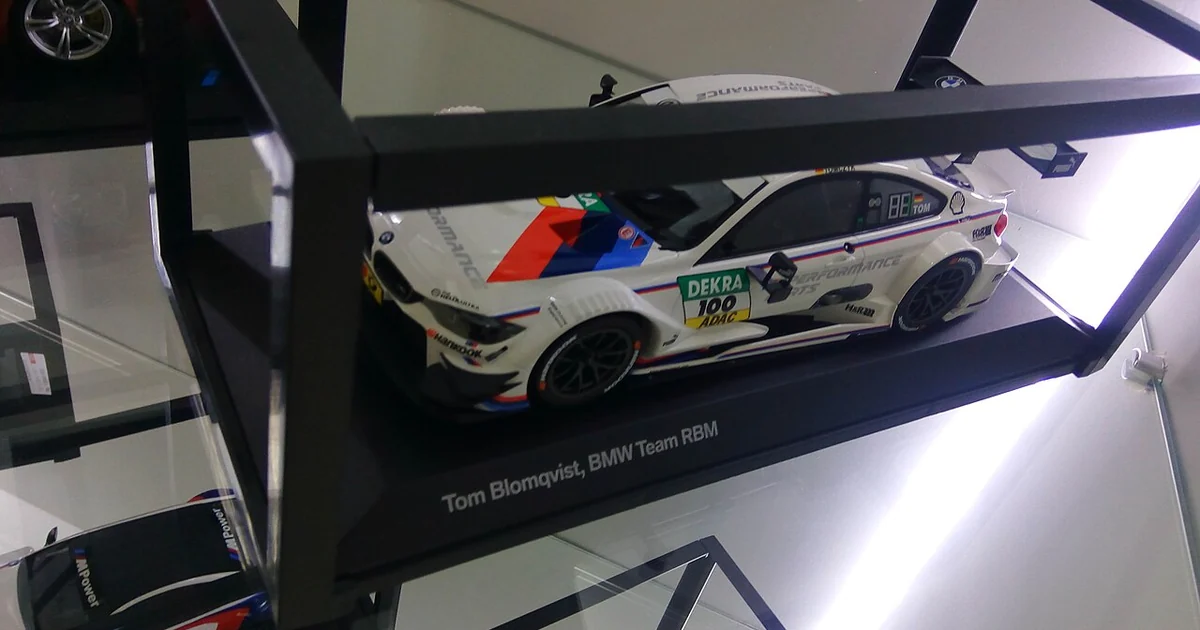
A scannable code on a collectible promises a quick answer to an old question: is this piece what it claims to be? For enthusiasts who buy printed model cars secondhand, or who inherit pieces without paperwork, a verification step can feel like the end of the conversation. It is usually better understood as one data point. This article covers how to read a verification result carefully, what a check can and cannot settle, and how to fold the result into a broader record you keep for each piece.
What a verification step is actually asking
Mint Motors Club describes its tags as a way to instantly verify a 3D printed car's authenticity by scanning the QR code, with Ed25519 cryptographic verification behind the check. Ed25519 is a widely used digital signature scheme. In plain terms, a signature lets a checker confirm that a stated record was signed by a specific key and has not been altered since. That is a meaningful property, but it answers a narrower question than many collectors assume.
Before you act on any result, identify the question being asked. A signature check can tell you whether a record matches what the issuer signed. It does not, by itself, tell you the physical object in your hands is the same object that record describes. Those are two separate links in a chain, and collectors should keep them separate in their heads.
A practical habit: write down, in one sentence, what you believe the scan confirmed. Then write one sentence on what you have not yet confirmed. Most confusion in collecting comes from blurring those two sentences together.
Questions to ask about the tag itself
A tag is a physical thing, and physical things can move. Before treating a scan as evidence about a specific car, ask whether the tag is still attached to that car, whether it has been removed from another piece, and whether it could have been copied or transferred. Look at how it is affixed and whether the surface shows signs of having been disturbed.
Consider whether the code you scanned is the one you expected. If you received a piece secondhand, you may not know the original tag's appearance. Photograph the tag and its placement when you first receive the piece. A dated photo gives you a baseline for later comparison.
Ask who you are relying on for the result. A check performed by the seller, or by a link the seller provides, carries different weight than one you perform independently on a device you control. If a result comes through an intermediary, note that in your record.
A short checklist for each scan
Use a consistent routine so your records stay comparable across the collection.
First, photograph the car and its tag before scanning, noting the date and where the piece was when you checked it. Second, scan and record the exact result text or screen, not just your impression of it. Third, note whether the tag appears untouched, reattached, or unclear. Fourth, list what the result confirms and what remains open, such as ownership history, condition at sale, or whether the car was altered after issue. Fifth, file the note with the piece's entry in your collection record.
Repeat the check if your circumstances change, such as after a move, a repair, or a transfer. Results are a snapshot tied to a moment and an object, and your notes should say when and on what piece each snapshot was taken.
Comparing a scan to a paper trail
A scan and a paper trail answer different parts of the same question. A paper trail can show how a piece moved from hand to hand, what was said when it changed owners, and what condition it was in at each step. A scan can show that a particular recorded identity has not been altered since signing. A careful collector wants both where possible, and treats a gap in one as a reason to look harder at the other.
When a scan result and the surrounding story disagree, do not resolve the conflict by picking the more convenient one. Write down the disagreement, date it, and keep looking. Many apparent contradictions come from a mismatched tag, an incomplete handover record, or a misremembered detail.
Finally, remember that a verification result is not a valuation or an endorsement of price. It is one input for your own judgment. Keep your records clear enough that a future reader, including yourself, can see exactly what was checked, how, and with what result. That clarity, more than any single scan, is what makes a collection trustworthy over time.