Cold Starts and Quiet Shelves: Care Habits for Printed Model Cars in Winter
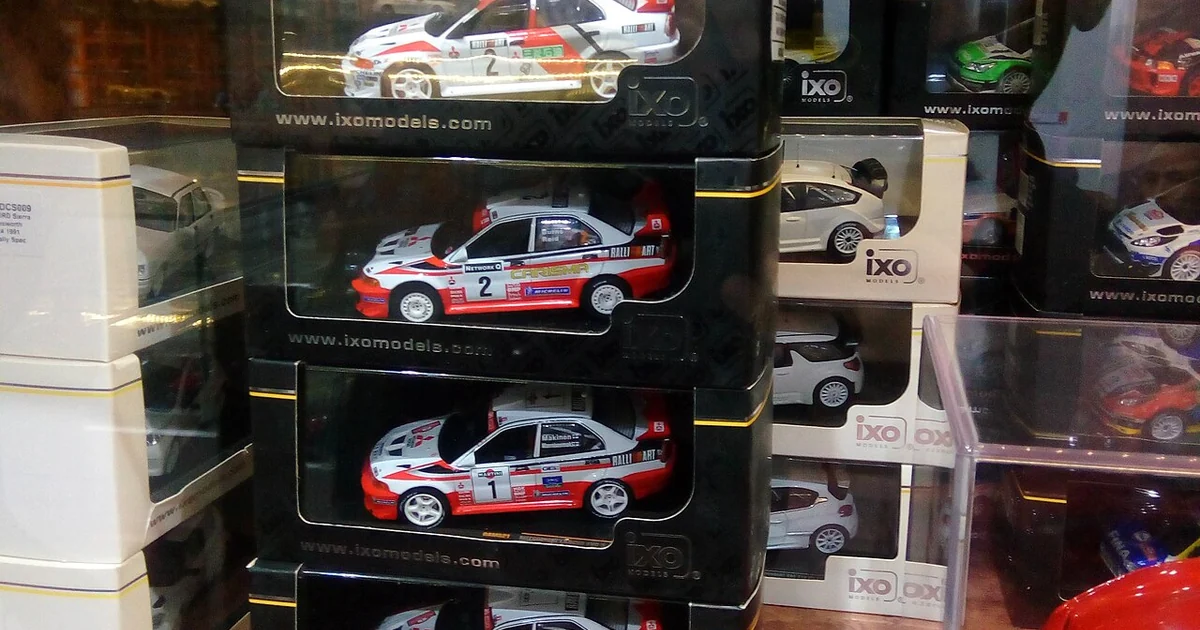
Most model car care advice focuses on dust and daylight, but the seasons change how a printed piece behaves on a shelf. A display that sits in a warm, dry room in July can experience a very different climate in January, when a garage gets cold overnight, a heater dries the air, and a window gets condensation. This article takes a seasonal angle: what changes across the year, what to watch for, and how to build a small routine that protects surface detail without turning every visit into a chore. Nothing here depends on special products. The method is observation, documentation, and gentle habits.
Why Seasons Matter More Than You Think
A printed model car is a layered object. Its surface, its joints, and any adhesive bonds respond to temperature and moisture even when nothing touches them. Warm air holds more humidity, and when it cools, that moisture can settle as a thin film on cool surfaces. Dry winter air can make some materials feel brittle or cause small fit changes at moving parts. These effects are gradual, so they are easy to miss.
Rather than reacting to a single bad afternoon, think in cycles. Note the months when your room gets hottest, coldest, and wettest. Mark the periods when you run heating or air conditioning and when windows stay closed for long stretches. This calendar becomes the baseline for your care schedule.
A Seasonal Checklist You Can Actually Run
Start with a simple monthly walk-through. Stand a short distance from each shelf and look for changes you could see before picking anything up. Check for a faint haze on glossy areas, slight warping of thin parts, dust settling in recesses, and any gap that looks wider than it did last season.
Next, do a handling check on a small rotation of pieces, not the whole collection. Hold one model at a time over a clean, padded surface. Gently test whether joints move with the same feel they had before. Note stiffness, looseness, or grit. If a part resists in a new way, record it and leave it alone until you understand why.
Finally, review your storage position. Keep pieces away from direct sun, vents, radiators, and damp corners. Avoid placing printed cars near exterior doors where temperature swings are sharpest. A short list of questions helps: Is this shelf warmer in summer than in winter? Does this item sit above a heat source? Is any finish showing new cloudiness?
Humidity, Condensation, and the Cold-Room Problem
Condensation is the most overlooked winter risk. When a cold object enters a warm room, or when a warm room cools overnight, moisture can form on exposed surfaces. A model that moves from an unheated garage into a heated living room should be allowed to reach room temperature inside its box or on a towel before you examine it closely. Rushing this step can leave marks that look like finish problems but are really moisture residue.
Use a simple comparison to guide your choices. Compare a shelf near an exterior wall with one in the middle of an interior room. Compare a display that gets afternoon sun with one that stays shaded. Compare a space that you heat in winter with one that stays cold. The best location is usually the one with the least temperature swing, not the one with the best view. Record your observations so you can see patterns over several years rather than guessing.
Questions to Ask Before Any Seasonal Adjustment
Before you move a piece, change its location, or try a new cleaning habit, ask a few concrete questions. What exactly did I observe, and when? Could another cause explain it, such as a room that simply got darker or a box that trapped warm air? Am I looking at a cosmetic change or a functional one? Would waiting a week reveal whether the change is real or temporary?
These questions protect you from overreacting. They also protect the collection. Moving a delicate piece to fix a problem you have not confirmed can create new risks, such as bumping it during transport or exposing it to a different temperature zone.
A practical winter habit set might include: check shelves monthly, let cold pieces warm before handling, keep displays away from heat sources and drafts, use soft padded surfaces for any inspection, and write a short note whenever something looks different. Over time, these notes tell a clearer story than memory ever will.
Seasonal care is less about dramatic intervention and more about steady attention. A printed model car rewards a collector who notices small changes early, understands the room it lives in, and keeps a record of what happens across the calendar.