Writing a Chain of Custody for Each Model in Your Garage Display
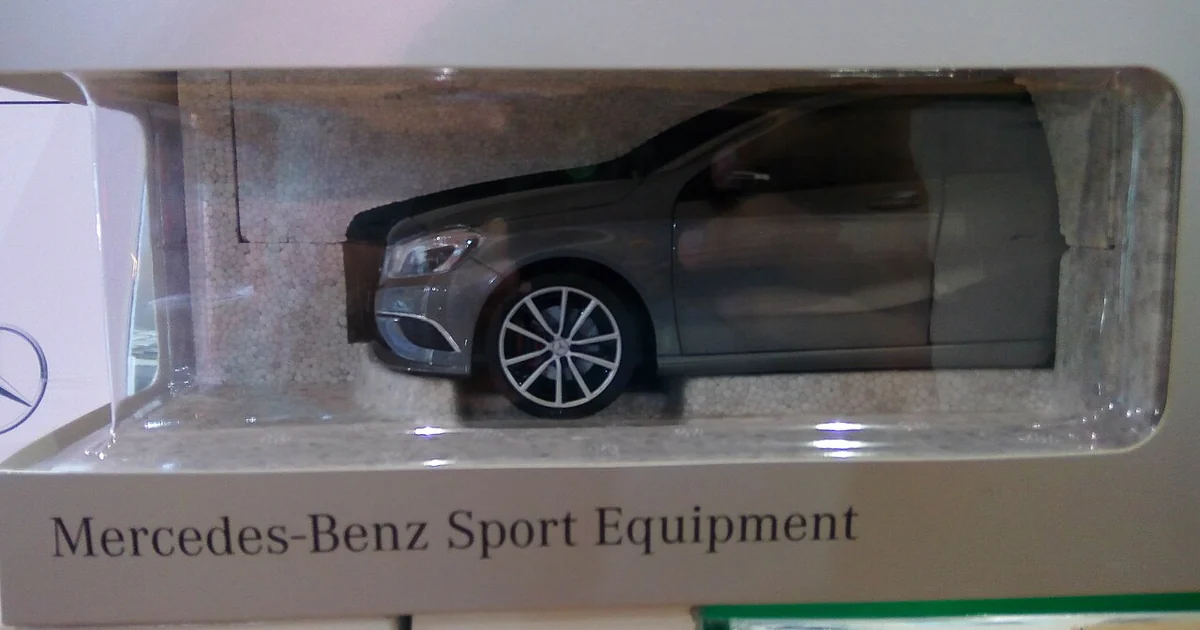
Most collectors remember how a piece came to them, but few can reconstruct that story six months later. A chain of custody is a simple, dated record of every transfer, handling event, and claim attached to a single object. It is a different tool from a general inventory. An inventory tells you what you own; a chain of custody tells you how a specific piece moved from one owner to the next and what was said about it along the way. For enthusiasts who display printed and resin model cars, that distinction matters when a question comes up about where a piece originated or whether a tag still matches the object it sits on. This article walks through a method for building that record and for deciding which entries are strong enough to keep.
What a Chain of Custody Covers
A chain of custody for a collectible should answer four questions in order: where the piece came from, who held it and when, what happened to it physically, and what claims were made about it at each stage. Each entry needs a date, a short description, and a source. Without a source, the entry is a memory, and memories drift toward convenience over time.
Keep the record separate from your general collection list. The collection list can say "Scale 1:24 printed coupe, grey, shelf B." The custody record says "Received from a private seller in March, shipped in a padded box, displayed under indirect light since April, tag scanned once at intake." The two documents serve different purposes and will age differently.
Building the Entry at Intake
The most valuable moment to record is the day a piece arrives. Note the date, the person or channel you received it from, the condition on arrival, and any paperwork, packaging, or tags that came with it. Photograph the object from at least three angles, plus any identifying marks, under the same lighting you will later use for comparison photos. Lighting consistency is the detail collectors most often skip, and it makes later condition comparisons far more reliable.
If the piece carries a QR tag, record the result of any scan you perform, including the exact message shown and the date. Treat that result as one data point. A scan result tells you what the tag reports at that moment; it does not, by itself, tell you who created the object or whether every claim on your paperwork is accurate. Write the scan result as exactly what it said, and keep your interpretation in a separate note.
Logging Transfers and Handling Events
Each time a piece leaves your shelf, log it. Moving a model to a photo table, lending it to another collector, sending it for repair, or relocating it to a new display zone all count as events. Note the reason, the date, and who handled it. A short line is enough: "Removed from shelf B for wheel-axle adjustment, returned same day, no change observed."
Condition changes deserve the same treatment. If a finish scuffs, a joint loosens, or a decal lifts, record the date you noticed it and the most likely cause you can identify, such as repeated handling or heat exposure near a window. Avoid writing causes you cannot support. "Cause unknown, first noticed during monthly check" is an honest entry and more useful than a guess.
Judging Which Entries Are Strong Enough to Keep
Not every claim belongs in the permanent record with equal weight. Sort entries into three groups: observed facts you recorded yourself, documents you received with the piece, and statements made by others that you have not verified. Label each one. A seller's description of a limited run is a statement until you can check it against something independent. Your own photo of a tag is an observation. A printed certificate is a document, though you still need to ask who issued it and whether it can be cross-referenced.
Be cautious about upgrading a claim's status over time. A statement repeated many times does not become a fact through repetition. When you revisit the record, ask whether any new evidence has arrived or whether you are simply reading your old notes more confidently.
A Practical Checklist
Use this list when you create or review a custody record. First, confirm each piece has a unique identifier in your own system, such as a simple number written on a card kept with the piece. Second, check that every entry has a date, a short description, and a source label. Third, photograph the object under consistent lighting at intake and at least once a year afterward. Fourth, record every scan result verbatim along with the date and the device or method used. Fifth, separate observed facts from inherited claims in the notes. Sixth, log every handling event, including ones that seemed trivial at the time. Seventh, review the record before any sale, trade, or insurance update, and mark any gaps plainly rather than filling them with assumptions.
A record built this way will not settle every disagreement about a piece's history, but it will show clearly what you knew, when you knew it, and where the evidence stops. That clarity is the main reason to keep the chain at all.