Sorting a Collection by Question Rather Than Shelf: A Fresh Method
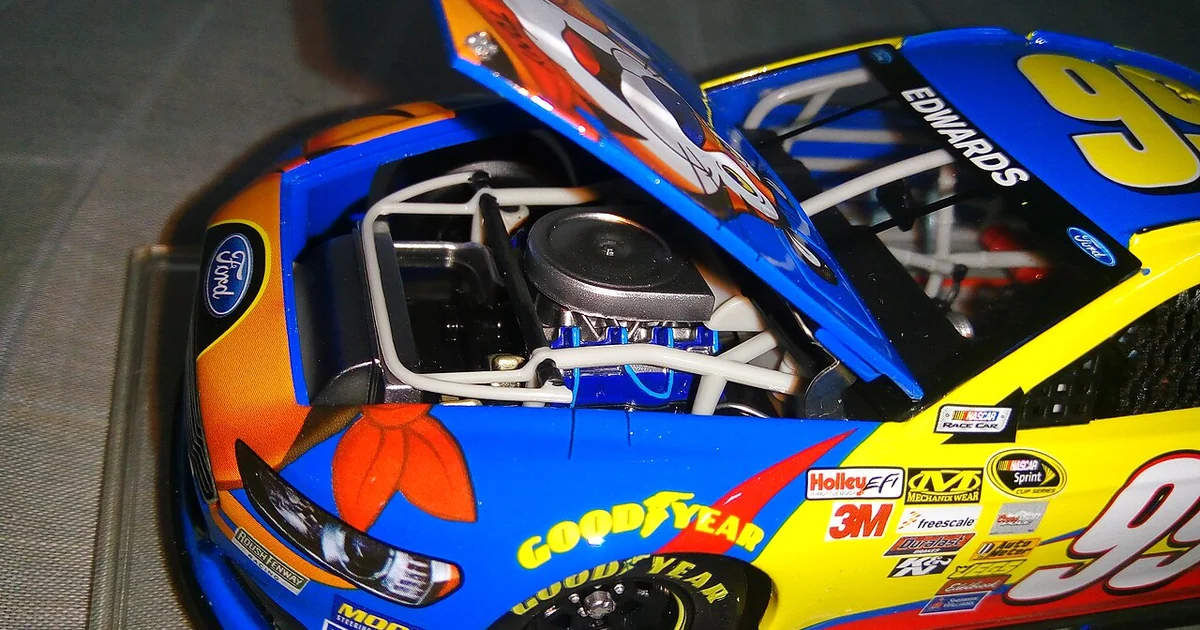
Most model car collections start on a shelf and grow sideways. A new piece arrives, it finds a gap, and the arrangement follows whatever space happened to be free. That approach works until you need to find something specific: a particular tag, a note about a repaired mirror, or the date you last checked a piece's joints. This article takes a different starting point. Instead of organizing by scale, make, or shelf position, organize by the questions you are most likely to ask about each piece. The result is a collection that answers you, rather than one you have to decode.
Start with the questions you actually ask
Before you move a single model, write down the five to eight questions you tend to ask about your collection. Common ones include: Does this piece have a verification tag? Has it been handled recently? Is it on display or in storage? Was it bought directly or secondhand? Does it need inspection? Each question becomes a column in a simple index, whether that is a spreadsheet, a notebook, or a set of index cards.
This exercise matters because the questions reveal the categories that matter to you. A collector who rarely moves pieces cares about display stability. A collector who trades often cares about provenance and documentation. Letting the questions drive the structure keeps the index useful, and it prevents you from building a tidy system that answers nothing you care about.
Sort by tag and verification status as a separate axis
Some models in a collection carry a QR-linked verification tag, and some do not. Keeping these two groups visibly distinct is worth the effort. Scanning a tag can confirm that a verification record exists for that piece, but a collector should also understand what a scan does and does not establish. Note in your index whether a piece has been scanned, the date, and what you observed on the verification page. Do not record a scan as a conclusion about everything the piece might be claimed to be.
For pieces without a tag, record that fact plainly and note where the claim of origin comes from: a seller, a receipt, a trade partner, or your own assumption. A blank field is more honest than a guess, and it tells you exactly which pieces need follow-up.
Track condition and handling in short, dated entries
Condition changes slowly, which makes it easy to forget. A small chip on a wheel arch or a loosened hinge may go unnoticed for months. A running condition line for each piece, with a date and one plain sentence, solves this. Entries like "rear axle play, noted during shelf dusting" are more useful than a general impression of how the piece looks.
Also record handling events that affect the piece: a move to a new display, exposure to direct sunlight, or a repaired adhesive joint. These entries form a timeline. If you later need to explain why a piece looks different, the timeline gives you something concrete to review rather than memory alone.
A practical checklist for your first pass
Work through your collection in one or two sessions rather than all at once. For each piece, answer the following: Does it have a verification tag, and have I scanned it? What does my record say about its origin, and what is the source of that record? What is its current location and display stability? When was its last condition check? Are there any open questions, such as a missing part or an unclear date?
Flag every piece with an open question in a separate list. This list becomes your work queue. Many collectors discover that the open list is shorter than they feared, and that a few targeted checks clear most of it. Revisit the list every few months and update the date on each entry you confirm.
Keep the index honest and easy to extend
An index is only useful if it stays current. Choose a format you will actually maintain. A plain spreadsheet with one row per piece and one column per question works well for most people, and it can be exported or printed for a shelf binder. Use the same wording for recurring entries so that you can sort and filter later. Avoid adding columns you will not fill in.
Finally, treat the index as a record of your own observations and sources, not as proof of anything beyond that. When you cannot confirm a detail, write that down. A collection organized around the questions you ask, with clear dates and honest gaps, will serve you far better over the years than one arranged only to look good on a shelf.