Printed Car Care: Protecting Surface Detail Through Handling and Light
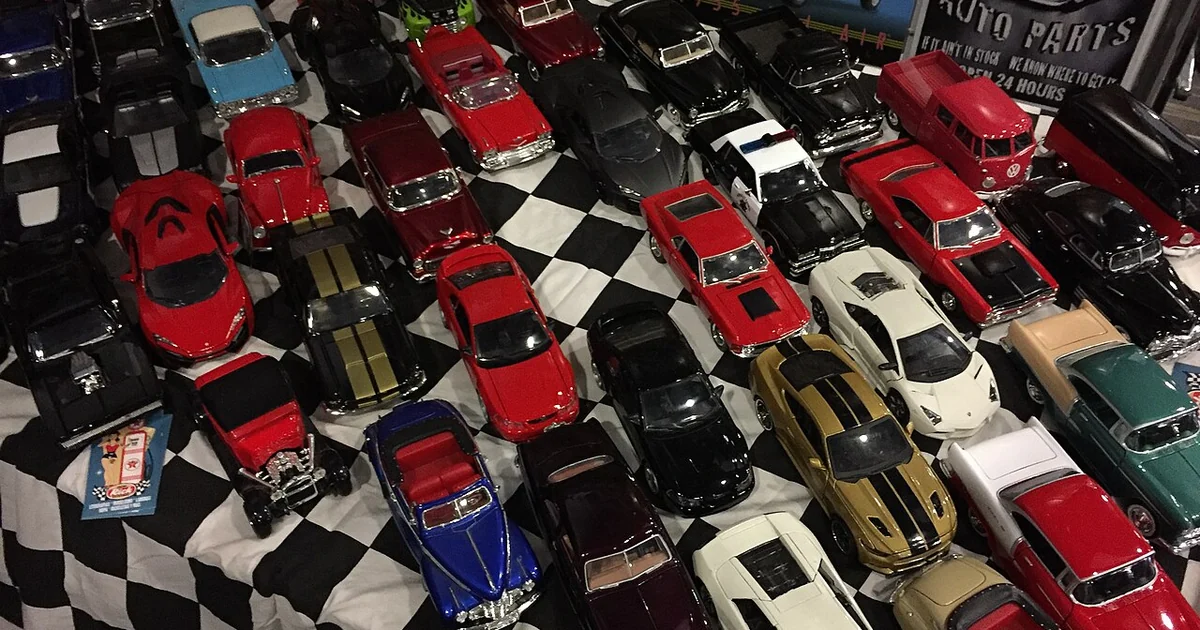
Fine detail is the first thing to suffer when a printed model car is handled carelessly. Mirror trim, thin spoilers, wire-thin antennae, and textured grilles can all chip, bend, or dull over time, often without the owner noticing until the damage is obvious. This article takes a different angle from general dusting advice. Instead of focusing only on cleaning, it looks at the habits that cause wear in the first place, and at how to build a short, repeatable inspection so that small changes are caught early. The goal is not to make your collection untouchable. It is to make sure that the condition you record today is still recognizable a year from now.
Start With the Handling Habits That Cause Most Damage
Most chips and bends on printed cars happen during routine moments: lifting a model by its mirrors, setting it down on a fragile spoiler, or pulling it out of a drawer while another piece knocks against it. Before changing any storage setup, spend a week noticing how you actually touch your pieces. Do you grab them around the roofline? Do you rest them on their front bumper while you check the underside? Writing down the three most common movements is often more useful than any general rule.
A practical approach is to lift every model from its body or chassis center rather than from protruding parts. Keep one hand under the base when moving a piece across a room. When inspecting the underside, rest the car on a padded cloth placed over a stable surface, and avoid letting wheels or axles take the weight. For articulated models, support the body before touching any joint, since levering a joint open against a stiff body is a common cause of stress cracks near pivot points.
Managing Light Exposure Without Overthinking It
Light is a slow factor, and collectors often underestimate it because the change is gradual. Prolonged direct sunlight can fade color on some printed finishes and can warm plastics enough to soften thin features. Rather than chasing a perfect lighting setup, consider a simple rule: keep pieces out of direct, sustained sun, and rotate any display that sits in a bright window every few months so no single side absorbs all the exposure.
Interior lighting matters less than direct sun, but compact LED display lights placed very close to a model can add heat over long periods. Check whether a light fixture feels warm to the touch after an hour of use. If it does, move the piece back a few centimeters or switch to a cooler source. Keep a note of which shelves receive the most light, since this becomes useful when you later decide where new or sensitive pieces should go.
A Short Inspection Routine You Can Repeat
An inspection works best when it is short enough to actually happen. Choose one or two evenings each quarter and check a set group of pieces rather than the entire collection at once. For each model, look at the mirrors, antennae, spoilers, and any protruding edge for chips, whitening, or bends. Run a fingertip gently along the seams between body panels to feel for lifting or gaps. For wheels and axles, spin each one and listen and feel for grit or unusual resistance.
Record what you find in plain language, such as 'left mirror tip slightly lighter than before' or 'front axle has a new catch when rotated.' Compare these notes against your previous entries. A single note rarely means much, but a pattern across two or three inspections tells you whether a problem is stable, slowly worsening, or caused by a specific shelf or handling habit.
Questions to Ask Before Changing Your Routine
Before buying new storage or display products, ask a few grounded questions. Will this material touch the paint or printed surface directly, and if so, how will I know it is not causing marks? Does the setup let me lift pieces from their body without reaching for fragile parts? Can I see every model's condition without removing it from the shelf? If the answer to any of these is unclear, test the setup on a spare or low-value piece first and observe it for several weeks.
These questions also apply to people. If you lend pieces or have them handled at an event, agree on a simple handling rule beforehand and note any changes in condition afterward. Shared responsibility works better when expectations are written down.
A Practical Checklist for Ongoing Care
Keep this list where you do maintenance: lift pieces by the body and never by mirrors or spoilers; support the car on padded cloth during underside checks; avoid direct sustained sun and rotate exposed displays; feel display light fixtures for heat after extended use; spin wheels and axles and note any grit or new resistance; record each inspection in a short dated note; and compare new notes against older ones to spot patterns.
None of these steps requires special equipment or large time commitments. Their value comes from consistency. A collector who checks six pieces carefully each quarter will usually preserve more detail than one who occasionally cleans an entire shelf but never looks closely at condition. Build the habit first, then refine the setup as you learn which pieces and locations need the most attention.