Sorting a Collection by Handling Risk and Display Stability
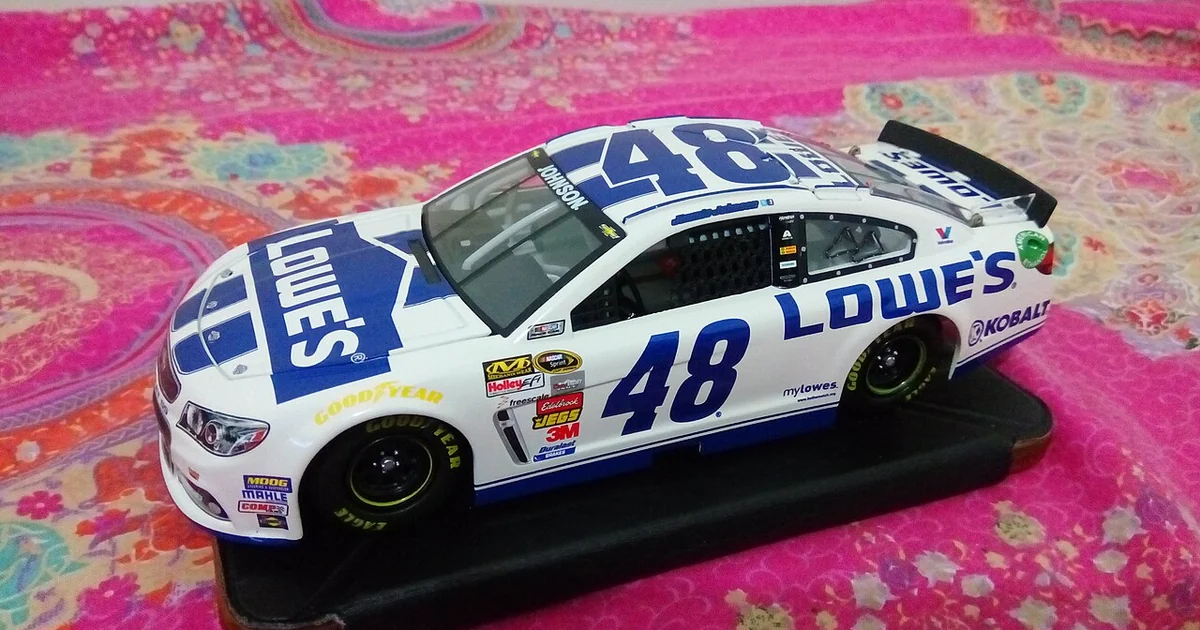
Most collectors organize their models by scale, brand, or the year they were acquired. Those systems work for finding things, but they say little about which pieces are at risk. A 1:18 diecast with a sturdy chassis and a delicate 3D printed body with thin mirrors may sit on the same shelf, yet they need very different handling. This article explores an alternative approach: sorting your collection by handling risk and display stability. The goal is not to replace your existing system but to add a layer that tells you where to be careful, how often to inspect, and which pieces should never be stacked, moved in bulk, or placed near a window.
Why Handling Risk Deserves Its Own Category
Every model car has a set of vulnerabilities. Some are structural: a long, low body with narrow wheel arches may be prone to stress at the joints. Others are surface-related: fine paint lines, decals, or textured finishes can be scuffed by a single careless touch. Still others involve moving parts, such as opening doors, hinged hoods, steering linkages, or suspension that is meant to articulate. When these features are mixed together without any sorting logic, the collector ends up handling every piece with the same level of attention, which is either too cautious for sturdy items or not cautious enough for fragile ones.
A handling-risk category gives you a practical reason to treat pieces differently. You can decide in advance which models need to be lifted by the base rather than the body, which ones should be moved only when the shelf is cleared, and which ones should be kept out of reach of visitors and pets. This is a personal workflow decision, not a claim about any product's durability, so it should rest on your own observations of each piece.
Building a Simple Risk Rating
Start with three levels: low, moderate, and high handling risk. A low-risk piece is one with a solid metal or resin body, no protruding parts, and no moving components. A moderate-risk piece has some exposed detail, such as external mirrors, thin spoilers, or a removable part, but is otherwise stable. A high-risk piece includes any of the following: very thin protrusions, fragile glazing or clear parts, articulated joints, flexible elements, or a finish you already know marks easily.
Assign each piece a rating based on what you can see and feel, not on what the box or listing claimed. Write the rating on your inventory sheet beside the model name. Revisit the rating after a few months of handling, because some pieces reveal their weak points only through use. If a moderate piece has already chipped a mirror, move it up a level. Your ratings should reflect the real condition of each object in your hands.
Matching Display Zones to Risk Levels
Once pieces are rated, assign them to display zones. High-risk models belong in zones with the most control: a closed cabinet, a shelf at comfortable eye level where nothing is stacked above them, and a spot away from doorways, heaters, and direct sunlight. Moderate-risk pieces can sit on open shelving with a clear margin around them. Low-risk pieces can occupy the more crowded or utilitarian areas, such as the lower shelves or the top of a storage unit where they are still easy to reach.
Display stability matters as much as location. A shelf that flexes under weight, a surface that vibrates when a door closes, or a base that sits unevenly can gradually loosen a model's mounting or shift a delicate part out of position. Check each zone for level footing and secure backing before you place anything valuable there. Record any zone that has caused problems so you can avoid repeating the mistake.
A Checklist for Each Handling Category
Use a short checklist to keep handling consistent. For high-risk pieces, confirm that you have cleared a workspace before lifting, that you are supporting the model from the base or chassis, and that no moving parts are being forced beyond their natural range. Remove any loose accessories first and set them in a labeled tray. For moderate-risk pieces, check that protruding parts are not in the path of your hands and that the piece is placed on a non-slip surface. For low-risk pieces, a quick visual check of the shelf and a stable grip is usually enough.
Before any category of piece is moved, ask yourself a few questions. Is the destination surface clean and level? Is there enough room to set the piece down without bumping neighbors? Will it be exposed to light or heat in its new position? Is there a record of its current condition, so you can tell later whether anything changed during the move?
Reviewing the System Over Time
A handling-risk system is only useful if you keep it current. Schedule a periodic review, perhaps once a season, to re-rate pieces, check zones, and update notes. Pay attention to any piece that has been moved more often than planned, because frequent handling is often where damage begins. If you add new models, rate them as soon as they arrive rather than letting them accumulate in a holding area where they might be handled casually.
This approach also works alongside whatever documentation you already keep. A condition note on the inventory sheet, a photo taken at the time of rating, and a short history of any repairs or repositioning all give you a clearer picture of how each piece is changing. Over time, you will see patterns: certain shelves may cause more problems, certain constructions may need gentler handling, and certain pieces may simply need to be enjoyed from a distance. The system is a tool for making careful, informed decisions about a collection you care about.