Photo Logs and Serial Notes: Documenting a Model Car Collection Piece by Piece
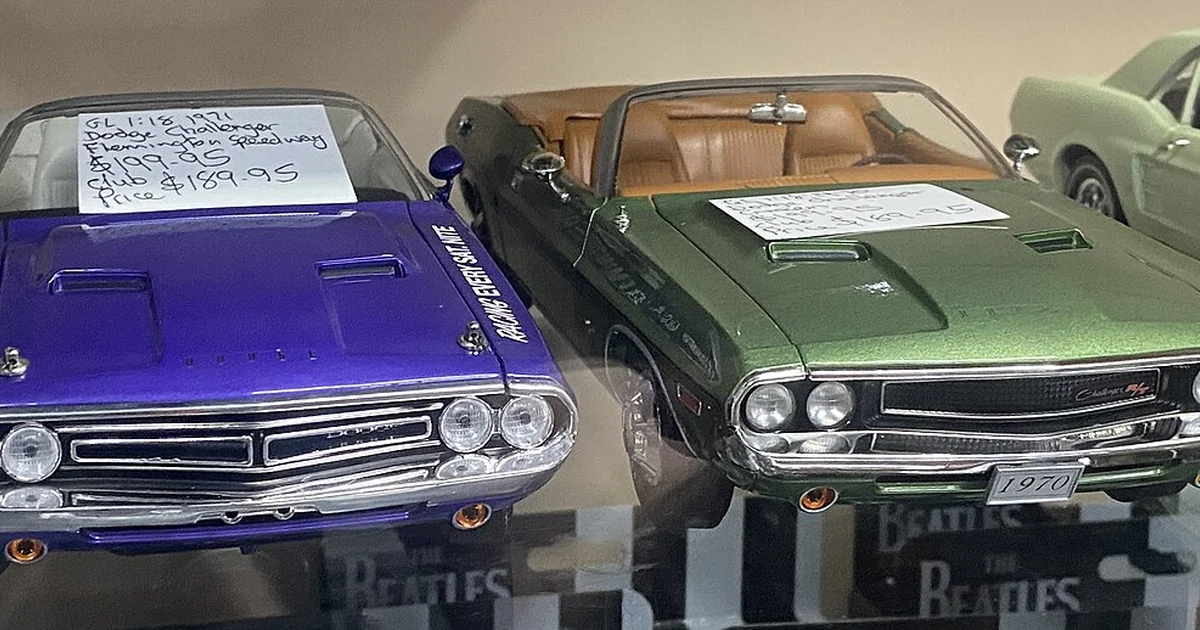
Most collectors know more about their cars than their records show. The details that matter, such as which wheel set came with a model, when a paint touch-up happened, or where a tag was photographed, live in memory and slowly fade. A documentation habit built around photographs and short written notes solves this problem without requiring expensive software or a complicated system. This article describes a repeatable method for recording each piece in a way that remains readable long after the details have left your head.
Decide what a complete record covers
Before taking a single photo, define what a finished record for one model should contain. A practical baseline includes an overall photograph of the front, rear, and one side in neutral light; close-ups of any markings, labels, or printed identifiers; photographs of any tag or code that accompanies the piece; the date the record was created; and a short written note covering the model name, scale, color, and known variant details.
Keep the list short enough that you will actually complete it for every model. A record that is thorough for ten cars and missing for the other forty is less useful than a consistent one-page summary for each car. You can always add detail later, but a missing baseline is hard to reconstruct.
Build a repeatable photo routine
Consistency matters more than equipment. Choose one spot with diffuse, even light, such as near a north-facing window or under a neutral-white lamp, and use the same background every time. A plain sheet of gray card works well. Place each car at the same distance from the camera, shoot at the same height, and keep the phone or camera level. When you revisit a record a year later, matching photographs make changes easy to spot: a chipped mirror, a loosened axle, or a color shift from sun exposure.
Photograph small details deliberately. Take close shots of the underside, the wheel hubs, any connector points, and any text or codes. Avoid flash, which creates glare on glossy surfaces and hides fine texture. If a piece has a removable part, photograph it both attached and detached so you can later confirm what originally shipped with it.
Write notes that someone else could follow
A written note should be specific and dated. Instead of writing 'good condition,' record 'paint intact, minor haze on roof, both side mirrors attached, rear wheels turn freely, tag present and undamaged, inspected on the date shown.' Specific phrasing lets you compare entries over time and makes your record useful to anyone you might eventually hand it to.
Separate observations from interpretations. An observation is 'left door seam shows a gap of about one millimeter.' An interpretation is 'the door was probably knocked.' Keeping them apart prevents an assumption from hardening into a fact in your records.
A practical checklist for each entry
Use this checklist when you create or update a record. First, confirm the model name, scale, and color match what you intended to record. Second, capture the front, rear, and side photos under your standard lighting. Third, photograph any markings, labels, or tags at close range, noting whether each one is intact. Fourth, record moving parts, such as wheels, doors, or articulated joints, and state whether they move smoothly. Fifth, note any known changes since the last entry, including repairs, cleaning, or relocation. Sixth, date the entry and store the photos under a filename that includes the model identifier and the date.
Store files in a folder structure you can search without thinking. A simple pattern such as one folder per shelf or display zone, with one subfolder per model, is easy to maintain. Back up the folder to a second location on a regular schedule so the record survives a lost phone or failed drive. Review your entries once or twice a year to catch gaps and keep the notes current.
Keep the record honest about what it shows
A documentation file records what you observed and when. It does not, by itself, settle questions of origin or authenticity. If you are dealing with a tag or claim that you want to check, a photograph of the tag and a dated note of its condition are useful inputs, but the conclusions you draw should be stated as your own assessment, with the evidence you relied on listed beside them. Writing down what you did not verify is just as valuable as writing down what you did. Over time, an honest record becomes a dependable reference, and that reliability is what makes a collection's documentation worth keeping.