Sorting a Model Car Collection by Where Each Piece Came From
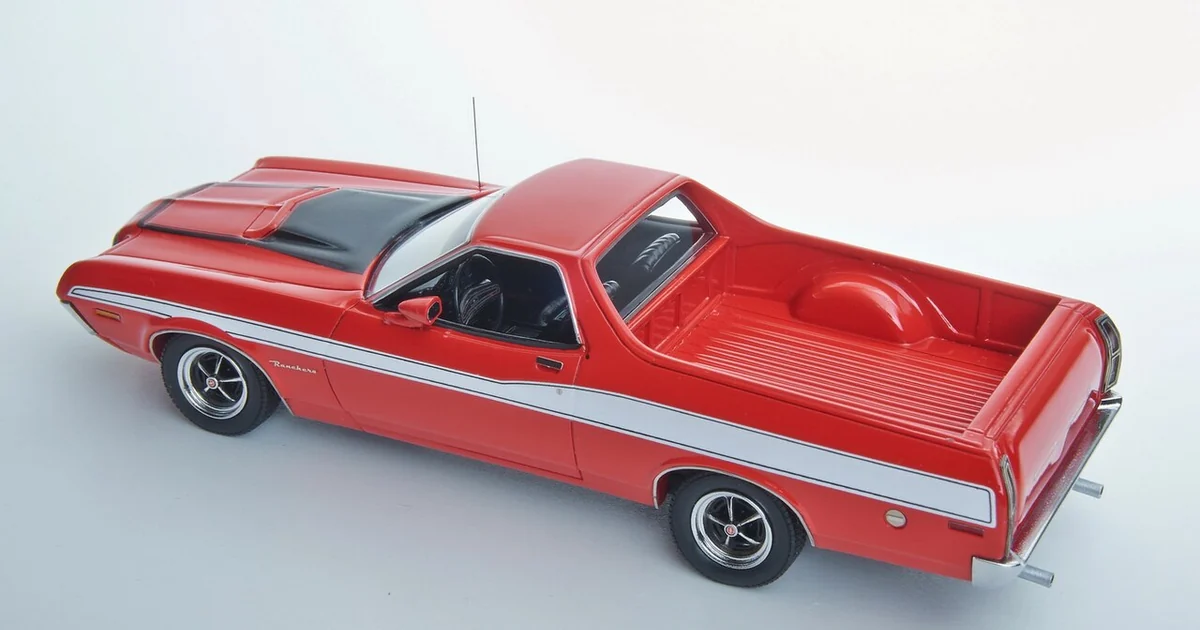
Most model car collections grow in bursts. A trade at a meet, a commission from a small shop, a bundle bought from a seller who had three cars on the table: within a few years the shelves hold pieces that arrived through very different channels, and the paperwork for each one may be scattered across an email inbox, a phone's photo roll, and a few receipts stuffed in a drawer. Organizing by where each piece came from is one of the most useful ways to bring order to that mix. It does not require any special software or any particular brand's system. It simply asks you to write down, for every car, how it entered your hands and what you can still prove about it. The result is a map that shows you strengths, weaknesses, and the questions you still need to answer.
Why acquisition source is a better starting point than scale
Many collectors begin by sorting cars by scale, brand, or era. Those categories matter for display, but they say little about how much you trust any given piece. Two 1:18 models from the same year can have very different histories: one bought new from a retailer with an invoice, another received in a trade where the seller described it verbally. Sorting first by acquisition source puts that difference front and center.
A source-based index also reveals patterns you would otherwise miss. You may discover that most of your undocumented pieces came from one informal trade network, or that a particular seller's listings consistently lacked photos of the underside. Those observations are useful far beyond your own shelves, because they tell you where to be more careful the next time you buy.
Building the record for each acquisition
For each piece, capture a short set of facts at the moment you acquire it, or as soon afterward as you can. Record the date, the channel (retail, direct from a maker, private sale, trade, meet purchase, gift), the seller's name or handle, the price paid, and the condition as described. Attach or note where the supporting material lives: a receipt scan, a message thread, a listing screenshot, or a photo of the car's packaging and base.
Be honest about what you do not have. If a seller told you something in person and nothing was written down, say so in the record. A line that reads "verbal description only, no written confirmation" is far more valuable a year later than a blank field you might mistakenly fill in from memory. Memory tends to smooth over uncertainty, so writing the uncertainty down is what keeps the record trustworthy.
A practical checklist for sorting your shelves
Work through your collection with a simple sequence. First, list every channel you have used, even the ones that feel minor. Second, assign each car to one primary channel, adding a note if it arrived through a secondary path. Third, rate each entry on documentation: fully documented (receipt or written confirmation plus photos), partially documented (some written or visual material), or minimally documented (verbal account or memory only). Fourth, flag any entry where the identifying details do not match across your sources, such as a listing describing one finish while your photos show another.
Fifth, for each flagged or minimally documented piece, write a single next step. That step might be locating an old email, photographing the base and any markings, or asking the seller a specific question. Keep the next-step list short enough to act on. Sixth, review the sorted index once or twice a year, because records you intended to chase often get lost unless someone revisits them.
Questions to ask when a record is thin
When a piece has weak documentation, the most productive move is to ask focused questions rather than to assume the best or the worst. Useful questions include: Where did the seller obtain the piece? Is there any written message, invoice, or listing that describes it? Are there distinguishing features, such as base markings, packaging details, or edition numbers, that you can photograph and compare? Does the seller's account stay consistent when asked the same question twice?
Some questions have no clean answer, and that is worth recording too. If a piece cannot be traced beyond a single informal sale, the honest entry is that its origin is unverified. Keeping that status visible helps you make calmer decisions about insurance, resale, or trading, and it prevents an unverified claim from quietly becoming an assumed fact in your own notes.
Keeping the index useful over time
An acquisition index only stays valuable if it is maintained. Pick one format, whether a spreadsheet, a notebook, or a folder of dated files, and commit to it. Add new pieces the same week you acquire them, while the details are still fresh. When you resolve an open question, update the entry and note the date of the change, so the history of your own knowledge stays visible.
Over time, the source-based structure also makes your collection easier to talk about. When you describe your shelves to another enthusiast, you can say which pieces are fully documented, which rest on a single trade, and which are still waiting for an answer. That kind of precise, honest description is what makes a collection legible to others and to your future self.