Organizing Your Collection by Acquisition Source and Documentation Gaps
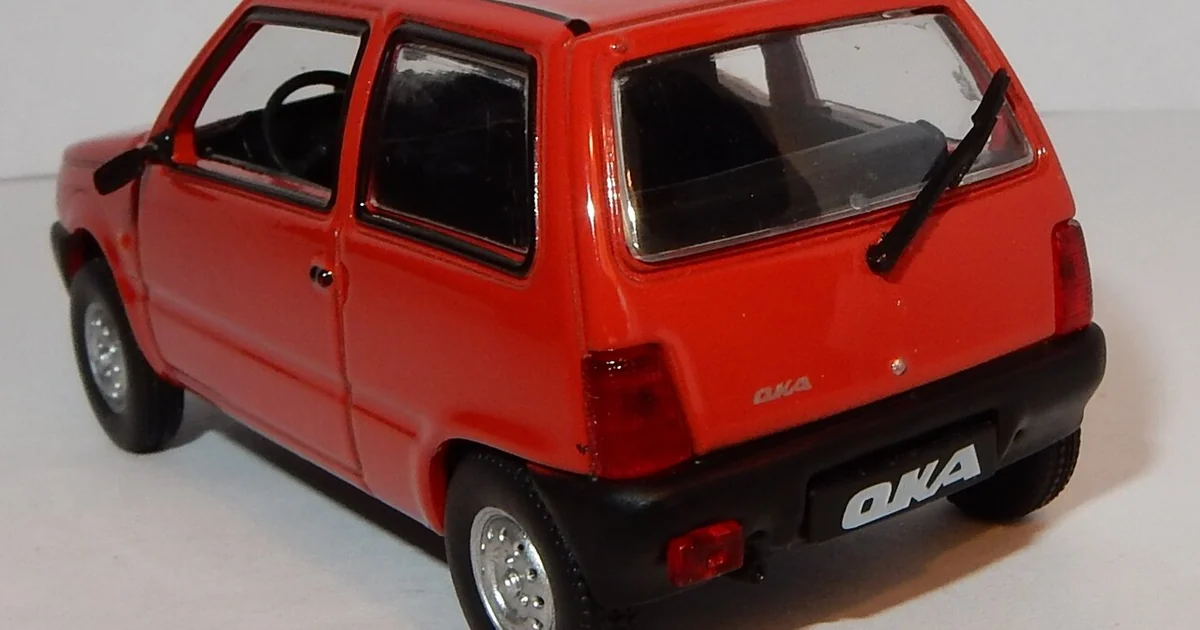
Most collectors organize by scale, brand, or shelf height. Those systems work until a question arises that they cannot answer: which pieces did you buy directly, which came secondhand, and which have records you could show someone else? A source-and-documentation index gives you that answer. It does not depend on any particular manufacturer's tools. It simply asks, for every model, where it came from and what evidence you hold about it. This article walks through how to build that index, what to record, and the questions worth asking before you trust a claim about a piece's origin.
Why Source Matters More Than Shelf Position
A shelf layout tells you where a model sits today. It says nothing about how the model arrived or what you can prove about it. When collectors later need to insure a piece, sell it, or settle a dispute with a trading partner, the missing history is what causes trouble. Organizing by acquisition source turns vague memories into a structured record.
Start by grouping your collection into broad source categories: purchased new from a seller, purchased secondhand from an individual, received as a gift or trade, printed or assembled by you, and unknown origin. The unknown group is important. It shows you exactly where research should begin, and it prevents you from quietly assuming that every piece has the same level of documentation.
Building the Index Itself
Create one row per model. Useful columns include a local catalog number you assign yourself, the scale, the acquisition date, the source category, the seller or trade partner's name as you recorded it at the time, the price paid, and a documentation status. Keep the status simple: full, partial, or none. Full means you hold a receipt, a message thread, or a signed transfer note. Partial means you have a photograph of the item but no transaction proof. None means you have only memory.
Store the index in a format you can export and back up yourself, such as a spreadsheet or a plain text file kept with your other personal records. Update it the same day you acquire a piece. Memory is unreliable, and an entry made a month later often gets the details wrong.
Questions to Ask About Each Piece
Before you mark a model as documented, test the claim behind it. Ask who created the piece, and whether that person's identity matches what the seller told you. Ask when the transfer happened and whether a dated record exists outside your own notes. Ask whether any identifying mark, label, or tag on the piece corresponds to a record you can read, and whether that record was issued by the party making the claim or by someone independent.
Be cautious with any claim that rests only on the seller's word. A tag, sticker, or printed code proves that something was printed; it does not by itself prove who made it or when ownership changed hands. A QR code can point you to a page, but reading the page tells you what the page says, not whether the underlying claim is true. Treat each verification step as one piece of evidence and weigh it against the others.
A Practical Documentation Checklist
Use this list when you add or review a model. First, confirm the acquisition date and source category. Second, record the seller or trade partner name, along with the contact method you used. Third, file any receipt, message, or transfer note and note where it is stored. Fourth, photograph the piece with its identifying marks visible and store the image with the index entry. Fifth, note any condition issues at the time of acquisition so later changes are easy to spot. Sixth, mark the documentation status honestly, even if that means leaving it at partial.
Review the index once or twice a year. Look for rows still marked none, and decide whether you can upgrade them with a message archive, a photograph, or a note from a fellow collector who witnessed the trade. Where you cannot, accept the gap and record it plainly. An honest index with visible gaps is far more useful than a tidy one that overstates what you know.
Keeping the System Useful Over Time
A source index should serve you when you need it, not impress anyone on a given day. Keep entries short and consistent. Use the same name format for recurring sellers so you can search by source later. When you sell or give away a piece, do not delete its row; mark the disposition instead, with date and recipient. That history is part of the collection's story and protects you if questions come up later.
The goal is clarity. An index organized by acquisition source and documentation status tells you what you own, where it came from, and what you can defend. Build it once, keep it current, and it will outlast the shelf arrangement you have today.