Organizing a Model Car Collection by Maintenance Schedule and Inspection Cycle
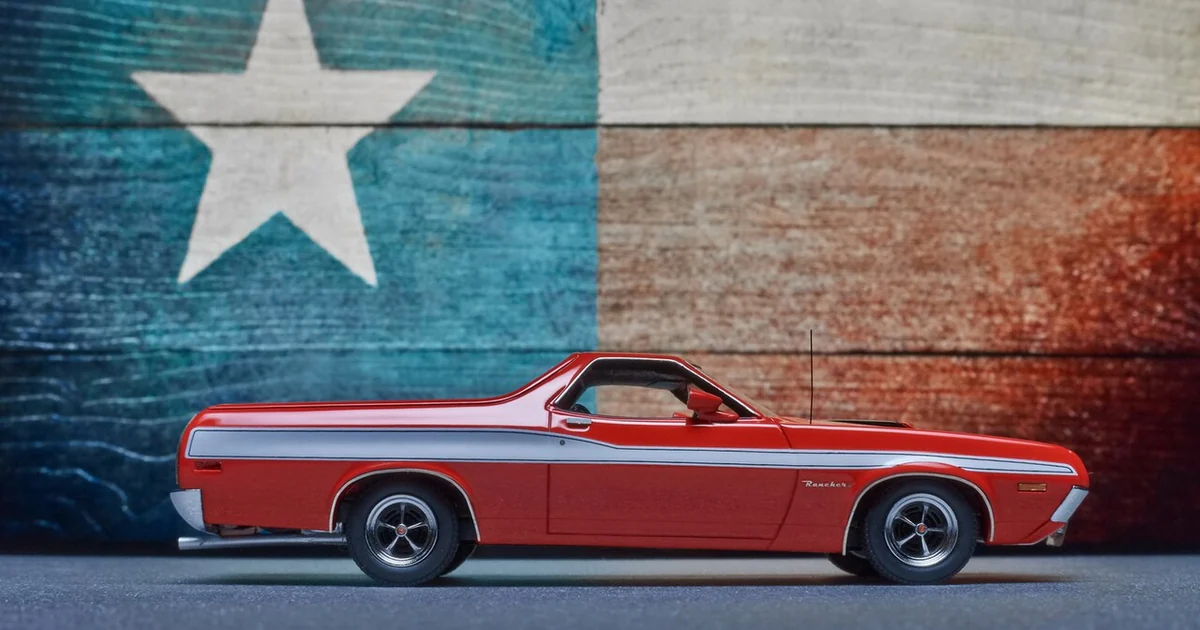
Most collectors organize their models by scale, brand, or where they bought them. Those systems help you find a car, but they say little about what each piece needs over the coming months. A different approach is to group models by their maintenance rhythm: which ones need frequent attention, which can sit for long stretches, and which deserve a scheduled inspection. This article walks through how to build that system, what to record, and the questions worth asking as you set it up. The goal is a collection you can keep up with, not one that quietly falls behind.
Start by Sorting Models Into Attention Tiers
Before you choose shelves or boxes, walk through your collection and assign each model to a rough attention tier. A simple three-tier split works well for most people. Tier one covers pieces that sit in open display, get handled often, or have moving parts such as articulated joints, hinged doors, or wheels that rotate freely. Tier two covers pieces that are displayed behind glass or inside cases and rarely touched. Tier three covers pieces in closed storage that you check only occasionally.
The tiers are not a judgment about value. A rare model can sit in tier three, and an inexpensive everyday piece can sit in tier one. The point is to match your care effort to how the object is actually used. When a tier-one model shows wear, you will want to notice it quickly, because repeated handling compounds small problems.
Build a Cycle Calendar Around the Tiers
Once each model has a tier, attach a review cycle to it. A reasonable starting point is a short visual check every few weeks for tier one, a monthly look for tier two, and a quarterly pass for tier three. These intervals are only suggestions. Adjust them after a few cycles based on what you actually find. If you never see changes in a tier-three box, you can stretch the interval. If a tier-one display shows dust or surface marks every visit, you may want to shorten it.
Keep the calendar on paper or in a simple spreadsheet. Note the date, the tier reviewed, and any item that needed a second look. Over time this log becomes more useful than memory, because it shows patterns: which shelves collect dust fastest, which storage boxes stay stable, and which handling habits cause the most wear.
What to Check During Each Review
A useful review is short and consistent. For each model, look at the surface for new scuffs, lifted paint or decals, and dust accumulation in recesses. Check any joints, hinges, or wheels by gently moving them through their normal range and noting resistance, looseness, or unusual sound. Confirm that stands and mounts are still secure. Compare the piece to your last recorded state, which is why a baseline note matters.
Keep your handling consistent during review. Support the model from underneath, avoid pressing on thin parts such as mirrors or antennas, and set it down on a padded surface. If you find something you cannot assess confidently, record it and leave the piece as it is rather than forcing a fix.
A Practical Checklist Before You Reorganize
Before moving a large portion of your collection, work through a few questions. Does each shelf have enough clearance so that tall models do not press against the shelf above? Are heavier pieces placed on lower or sturdier supports? Is any display exposed to direct sunlight or a heat source that could fade paint or warp plastic over time? Are storage boxes labeled with the tier and review date? Does your log record the last check for every tier-one and tier-two model?
Answering these questions usually reveals two or three quick improvements. Make them one at a time, so that if a change causes a problem you know which step caused it. Reorganizing everything at once makes it hard to trace what went wrong.
A maintenance-based system will not make a collection more valuable by itself, and it does not replace careful documentation of where each piece came from. What it does is keep your attention pointed at the objects that need it, so that wear is caught early and your collection remains in the condition you intend to keep it. Start with the tiers, set realistic cycles, and refine the schedule as your own experience teaches you what each shelf and box actually needs.