Judging a Printed Car's Claimed Authenticity: A Collector's Approach
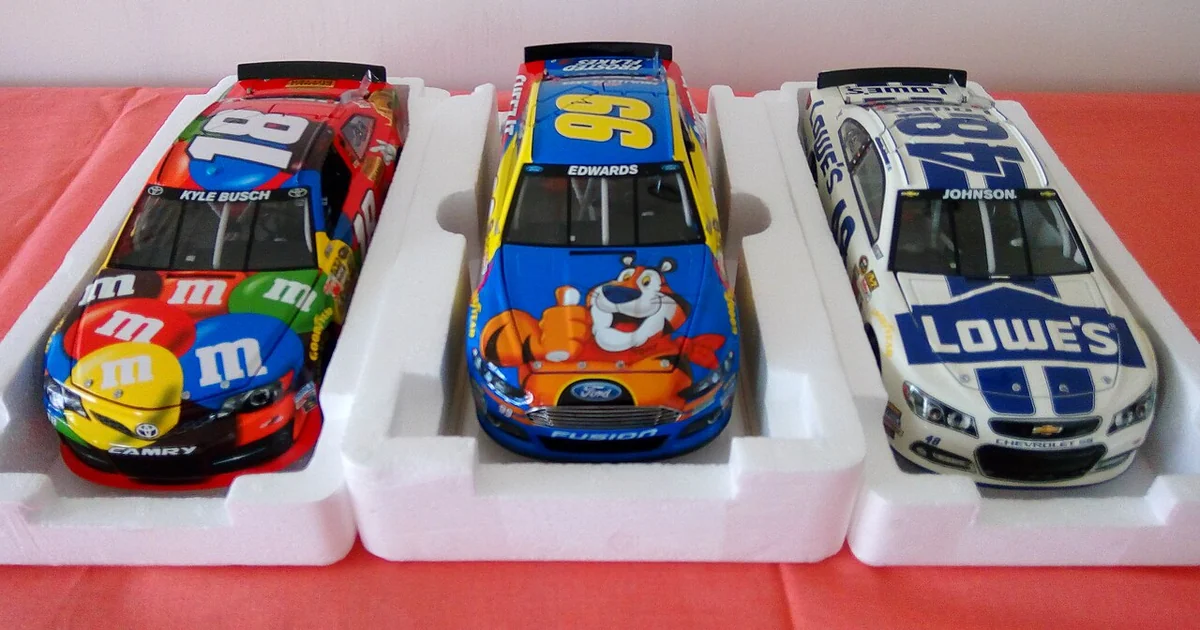
Authenticity is one of the most discussed and least understood parts of collecting 3D printed model cars. A tag, a sticker, or a code on the base can feel like proof, but a mark only tells you that someone made a claim. The useful question is whether that claim can be checked, by whom, and against what. This article walks through a practical way to approach authenticity for printed models, using the brand's stated verification feature as one example of how to frame the process. It does not assume every claim is valid, and it does not tell you what a specific piece is worth.
What a Verification Feature Actually Tells You
Mint Motors Club states that a 3D printed car can be checked by scanning a QR code, and that the verification relies on Ed25519 cryptographic signatures. The practical meaning of that statement is narrow but important. A signature-based check is designed to confirm that a particular record was produced by a holder of a specific private key and has not been altered since. That is a stronger kind of evidence than a printed logo or a hand-written number, because a logo can be copied and a number can be typed by anyone.
What the feature does not, by itself, establish is everything else a collector might want to know. A valid signature does not tell you the physical object in your hands is the exact object referenced in the record unless the record ties to that object in a way you can inspect. It also does not describe the print history, the material used, the condition, or the market value. Keeping these questions separate prevents the common mistake of treating one successful scan as a complete answer.
Separating the Object, the Record, and the Claim
A useful way to reason about any authenticity claim is to split it into three parts. The first is the object: the physical model, with its markings, finish, and any identifying features. The second is the record: the data the seller or maker associates with that object, such as an identifier, a date, or a description. The third is the claim: the statement that the object and the record correspond and that the record is genuine.
Verification works best when each part can be examined on its own. If the QR code resolves to a record, ask whether the record's identifier matches a marking on the object you own. If the record lists a production detail, ask whether you can observe that detail yourself. A claim that asks you to accept all three parts on trust, with no way to compare them, deserves more caution than one where you can check the connections directly.
A Practical Checklist Before You Trust a Tag
Start with the scan. Confirm that the code is physically on the piece and not a loose insert that could have come from another model. Note whether the verification page loads, what identifier it shows, and whether that identifier appears anywhere on the object itself. If the page loads but nothing on it matches the model in front of you, the result is informative even if the cryptography checks out.
Next, look at the object. Check whether the markings are consistent across the surfaces where they should appear, whether the finish and edges look like the rest of the piece, and whether anything looks added after manufacture. Photograph the base, the code, and any identifying marks so you have a dated record of their condition.
Then ask the seller or source a few direct questions. Where did this piece come from? What is the chain of ownership? Is there a written record of the transfer? Can the seller explain what the verification covers and what it leaves open? Vague answers are not proof of a problem, but they are a reason to slow down.
Finally, write down what you confirmed and what you did not. A short note such as 'code scanned, identifier matches base marking, ownership transfer undocumented' is more useful than a general feeling of confidence. It keeps your own assessment honest and gives you something concrete to revisit later.
Common Gaps Collectors Overlook
The most frequent gap is treating a scan as the end of the inquiry. A verification step answers one question, and collectors who stop there often miss questions about condition, provenance before the verified point, and whether the piece has been repainted or modified. Another gap is assuming that a tag which looks professional was checked by a professional. The look of a label says little about the process behind it.
A third gap is failing to re-check. Physical objects change hands, get cleaned, and sometimes get separated from their accessories. Re-scanning and re-photographing when you acquire, transfer, or sell a piece keeps the record aligned with the object over time.
Building Your Own Standard
The strongest authenticity practice is one you apply the same way every time. Decide in advance what counts as sufficient evidence for your collection: a successful verification plus a matching identifier plus documented ownership, for example. Apply that standard consistently, including to pieces you already trust. Consistency makes it easier to notice when something does not fit.
Authenticity judgments are strongest when they are open about their limits. Record what was checked, what was inferred, and what remains unknown. That habit protects you when you later share or sell a piece, and it turns each verification into a lasting part of your collection's documentation rather than a one-time reassurance.