Documenting Your Collectible Model Cars: A Practical Record-Keeping Guide
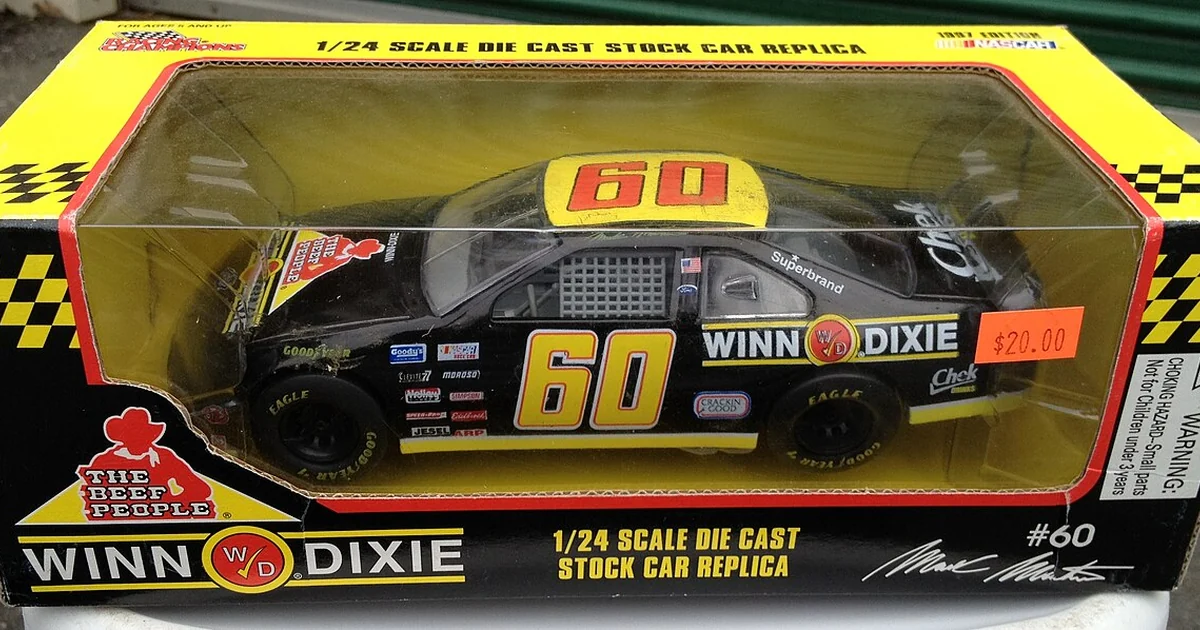
Collectible model cars often outlast the memories attached to them. A well-kept record turns a shelf of miniatures into a documented collection that can be understood, insured, passed on, or sold with confidence. This guide covers how to document model cars in a way that stays useful for years, and what to look for when a manufacturer or club offers its own verification tools.
Start With a Single Master Record Per Piece
Every model should have one master record that holds everything you know about it. Use a spreadsheet, a notebook, or a dedicated collection app, but keep one entry per physical object. Include a unique internal reference number, which you can write on a small label stored inside the display case or on the base where it will not affect appearance. The reference number lets you connect photos, receipts, and notes without relying on memory.
Core fields are straightforward: manufacturer, product name, scale, model or edition number, production year, color or finish, and any serial or batch number printed on the packaging or chassis. Record the condition of the box separately from the condition of the model itself, since collectors often value these differently. Note whether the original packaging, certificate, display stand, or accessories are present.
Capture Provenance and Purchase History
Provenance is the story of how a piece came to you. Record the date you acquired it, the seller or source, the price paid, and the payment method. Keep the receipt, order confirmation, or listing screenshot, and save a dated copy of any seller description or photos that were visible at the time. Listings change and sometimes disappear, so a copy made when you bought the piece can settle later questions.
If you bought the model secondhand, record what the previous owner told you, even if you cannot verify it. Mark unverified statements clearly as claims rather than facts. A future buyer or appraiser will trust a record that distinguishes between documented information and recollection.
Photograph Systematically
Good photographs do more work than long descriptions. Take a consistent set for each piece: front, rear, both sides, top, underside or chassis, close-ups of any markings, the box front and back, and the interior if it is visible. Use neutral, even lighting, a plain background, and a ruler or coin in one frame to show scale. Photograph any damage, paint chips, or repairs honestly, because an accurate condition record protects both you and the next owner.
Name files consistently, for example by reference number followed by the view, such as 0042_chassis.jpg. Back up the image folder in at least two places. Keep original resolution files rather than only compressed copies sent through messaging apps, which often strip metadata.
Evaluating Built-In Verification Features
Some manufacturers and clubs include a code, label, or scannable tag that links a physical model to an online record. Mint Motors Club states that its 3D printed cars can be checked by scanning a QR code, and that verification uses Ed25519 cryptographic signatures. Ed25519 is a widely used public-key signature scheme, and a signature check confirms that a record was signed by a holder of the matching private key. It does not, on its own, tell you about the physical condition of the object or the honesty of the seller.
When evaluating any such system, ask practical questions. What exactly does a successful scan confirm: the existence of a record, a match to a specific item, or ownership? Who controls the signing keys, and what happens to verification if the company changes hands or stops operating? Can you download or export your record, or does it live only on the provider's site? Is the verification page reachable without an account? Where the answers are not stated on the official site, ask the seller or club directly and save their written reply.
A Checklist for Ongoing Upkeep
Review your records once or twice a year. Confirm that each reference number still matches its physical piece, that photos open correctly, and that backup copies are current. Check that any verification codes still resolve as expected and that you have saved a local copy of any information you would need if an online service were unavailable.
Keep a short written checklist for each new acquisition: master record created, reference label applied, receipt saved, seller claims noted, photographs taken and backed up, verification method recorded with its source, and any questions answered in writing. Following the same steps every time makes your collection easier to manage and far more credible to anyone who inspects it later.