Caring for 3D Printed Model Cars: Materials, Light, and Handling
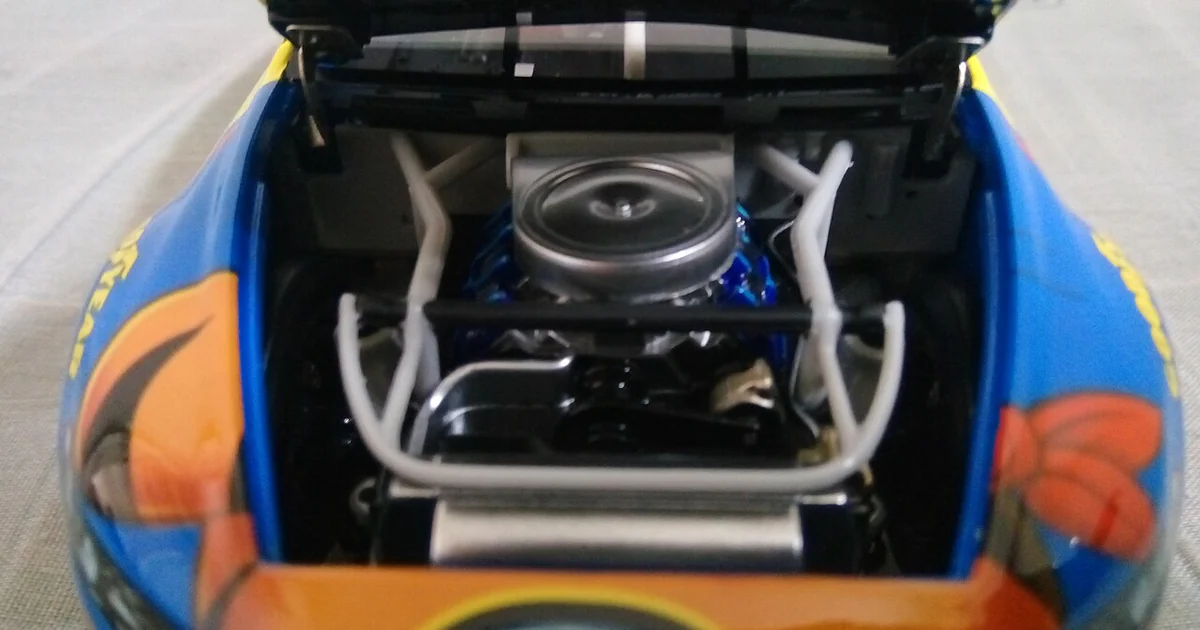
Collectors who own 3D printed model cars often focus on the design, the finish, or the scale, and only later discover that the printed material itself needs attention. Plastics used in additive manufacturing respond to their surroundings in ways that cast metal or injection-molded resin often do not. Heat can soften a surface, sunlight can fade pigment, and careless handling can leave marks that never fully polish out. This guide covers general care principles you can apply to any printed model, along with questions worth asking about any model you own or are considering buying.
Understand what your model is made of
Before choosing a care routine, find out what material the model was printed in and how it was finished. Common filaments such as PLA, PETG, ABS, and resin-based photopolymers behave differently. PLA is firm and easy to print but can soften at relatively low temperatures, which makes a sunny windowsill or a car dashboard a poor place to store it. ABS and PETG tolerate more heat but can still warp under sustained exposure. Resin prints can be brittle and sensitive to UV light over long periods.
Finish matters as much as material. A primed and sanded surface, a painted coat, a clear topcoat, or a raw layer-lined surface will each react differently to cleaning fluids, dust, and friction. If the maker did not document the material or finish, treat that as a reason to ask questions rather than assume the model is durable.
Control light, temperature, and humidity
Direct sunlight is the most common cause of gradual damage to painted and colored prints. Ultraviolet exposure can fade pigments and make some plastics yellow or chalky. Display cases with UV-filtering glass or a location out of direct sun reduce this risk considerably. Artificial light is generally less harmful, but warm halogen spotlights can add heat, so keep lamps at a comfortable distance from the model.
Temperature swings and humidity cause subtle stress. A model kept in an attic in summer or a damp basement in winter is more likely to warp, develop surface haze, or show mismatched seams over time. A stable indoor environment, away from heating vents, radiators, and exterior walls, is the simplest protection. Avoid sealing a model in an airtight container with moisture-absorbing materials you have not tested, since some products can leave residue.
Handle and clean with restraint
Fingerprints, skin oils, and dust are the everyday enemies of a collector's model. Handle models by a base or by areas designed to be gripped rather than by thin mirrors, antennas, or spoilers. Wash your hands before handling, and consider soft nitrile gloves when working on glossy finishes.
For cleaning, start with the gentlest method that works. A soft, dry brush or a microfiber cloth removes most dust. If you need moisture, use a lightly dampened cloth with water and, at most, a very mild soap that you have tested on an inconspicuous spot. Avoid solvent-based cleaners, abrasive polishes, and household sprays unless the maker specifically approves them, because many can dissolve or cloud printed surfaces. Let any moisture dry fully before returning the model to its display.
A practical checklist for your collection
Use this checklist to review each model: confirm the material and finish, note whether the display location gets direct sun, check the temperature and humidity range of the room, decide on a dust method (brush, cloth, or case), and record which cleaning products are approved for that piece. Repeat the review every few months, especially after moving a collection or changing the room where it is displayed.
When you buy or trade a 3D printed model, ask the seller or maker a few specific questions. What material and finish were used? Were any coatings applied, and what are they? How should the model be cleaned? Has it been exposed to heat or sunlight in transit? Can the maker share care notes in writing? Clear, direct answers are a good sign. Vague answers are a reason to slow down.
Finally, keep a short care log alongside your collection notes. Record the date of any cleaning, any changes in display location, and any visible wear. Over time, this log will show you which conditions your models tolerate well and which ones deserve better protection.