Building a Model Car Collection Around Acquisition Dates and Shelf Logic
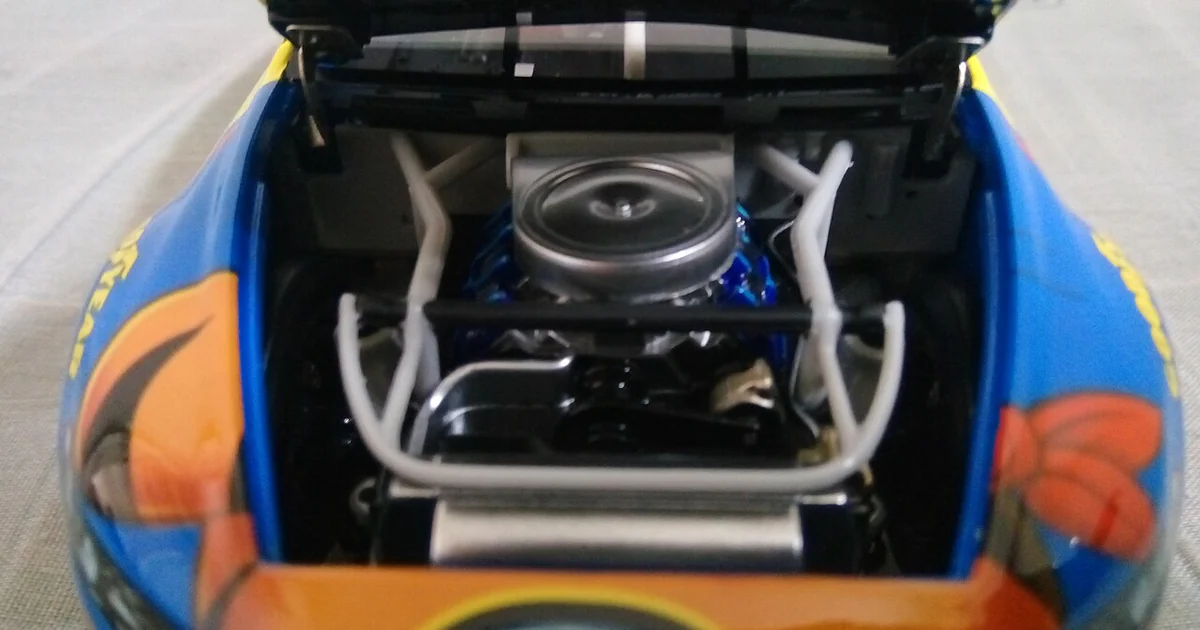
Most collectors start by sorting their cars by scale or manufacturer, and that works fine until the collection passes a few dozen pieces. Then the shelves become hard to navigate, duplicates hide in the back, and the question of what you actually own gets fuzzy. A different approach is to organize around when and how each piece entered your hands. Acquisition-based organization gives you a timeline of your collecting decisions, makes gaps and overlaps visible, and helps you plan future purchases with intent. This article walks through a method you can apply to any collection, whether it holds ten cars or several hundred.
Start With an Inventory You Can Trust
Before reorganizing anything, make a single list of everything you own. Include the model name, the maker or builder if known, the scale, the date you acquired it, the source, and the price you paid. You do not need to fill in every field on the first pass. Leave blanks where information is missing and return to them later. The point is to move your collection from memory into a document you can search and sort.
Use a spreadsheet, a notebook, or any format you will actually maintain. A simple table with one row per car works well. Keep the columns consistent so that sorting by date or source produces readable results. If you own pieces that arrived with paperwork or verification details, note where those documents are stored. Do not record information you cannot back up; a blank field is more honest than a guess.
Group by Acquisition Period, Then Refine
Once the list exists, sort it by acquisition date and divide it into periods. Many collectors find that natural groupings emerge: a first buying phase, a period of heavy purchasing around a particular event or interest, and a more selective recent phase. Naming these periods helps. A label like the early shelf or the year of resin pieces tells you something about your priorities at the time.
Within each period, you can apply a second grouping by scale or theme. This two-level structure keeps the timeline intact while still allowing you to find a specific car quickly. Avoid making the periods too narrow. Three to six periods usually suffice for a collection of moderate size, and over-segmenting produces a system that is harder to maintain than the problem it solves.
Design Display Zones Around Handling Frequency
Where a car sits matters as much as how it is labeled. Pieces you handle often, such as those you rotate for photography or comparison, should be within easy reach. Rarely touched pieces can go to higher or lower shelves, or into closed storage. Think about light exposure and dust as well: keep pieces away from direct sunlight and from heat sources, and consider covers for those stored in open cabinets.
A useful habit is to assign each shelf or drawer a short description, such as frequent rotation, long-term display, or storage reserve. Then update the inventory so that the location field matches. When a car moves, record the move. Over time, the location history reveals how your collection is actually used, which is often different from how you imagined it would be used.
A Practical Checklist for Your Next Reorganization
Before you rearrange a shelf, walk through a short set of questions. Does every car have a row in the inventory? Are acquisition dates recorded or marked as unknown? Is each piece assigned to exactly one location? Are any duplicates identified, and do you intend to keep both? Are verification or ownership documents, where they exist, stored together and cross-referenced in your list?
Next, ask questions about the future. Which periods of your collection feel complete, and which feel like they have obvious holes? Which pieces would you struggle to replace? Which purchases from the last year would you make again? These questions do not require any particular tool. They simply turn your inventory into a planning instrument.
Finally, review the list at a regular interval, perhaps every few months. A collection changes gradually, and a quick audit keeps the record accurate. If you find discrepancies, correct the record rather than the memory. An organized collection is one where the documentation and the physical shelves agree, and that agreement takes modest, ongoing attention rather than a single large effort.
Organizing by acquisition is not the only valid method, but it gives most collectors a clearer picture of their own decisions. Combine it with sensible display habits and a regularly maintained inventory, and the collection becomes easier to enjoy, easier to manage, and easier to pass on.