Checking a Collectible's Identity: Questions to Ask Before You Trust a Tag
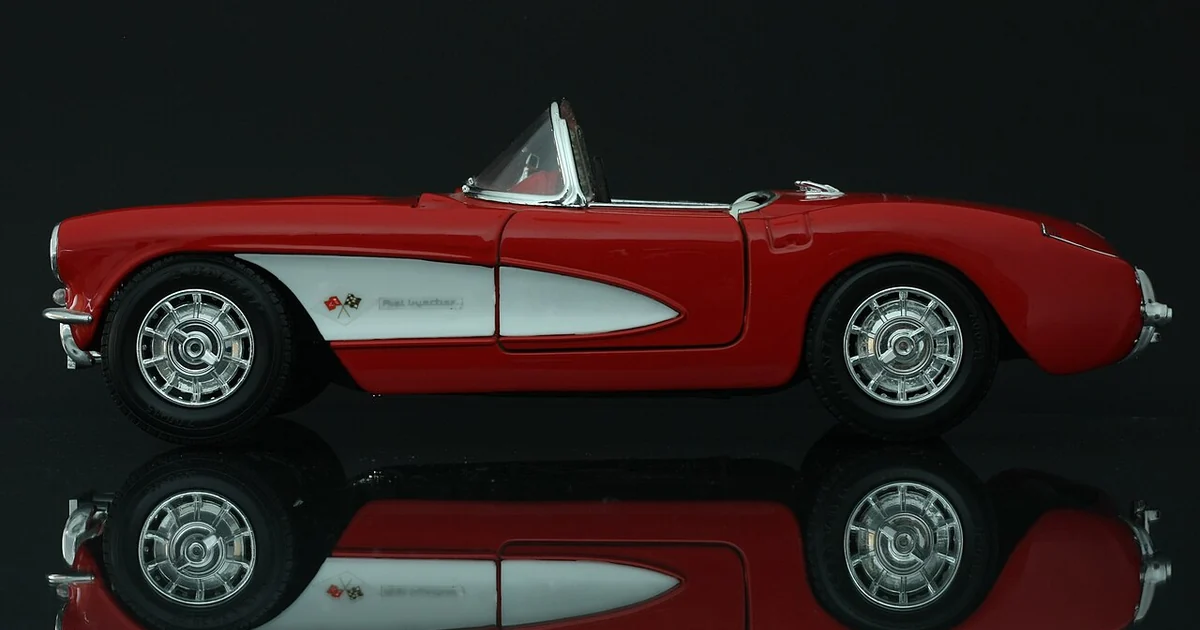
Authenticity in the collectible world usually rests on a chain of claims: who made the piece, when it was made, whether it is the exact object being sold or shown, and whether the record attached to it still matches the car on your shelf. Physical features such as paint, decals, and weight can suggest a model's origin, but they rarely settle the question on their own. Many enthusiasts now encounter digital verification features, including QR codes printed on or packaged with a model, and these raise a useful question: what exactly is being checked, and by whom? This article walks through how to think about verification in practical terms, so that you can decide for yourself how much weight a given check deserves.
Separate the Object from the Claim
The first step in any authenticity review is to distinguish between the physical object and the statements made about it. A model car is a thing you can measure, photograph, and handle. A claim is a statement such as 'this was produced by the maker named on the box' or 'this is the first run of a particular edition.' Physical inspection can support or weaken a claim, but it rarely proves one completely. Keeping these two categories apart helps you avoid overconfidence in either direction.
When a seller, a maker, or a feature on a website says a model is authentic, write down exactly what is being asserted. Is it the identity of the maker, the production date, the edition number, or that the item has not been altered? Each assertion requires different evidence. A reliable habit is to restate the claim in one sentence before you evaluate it. Vague claims like 'genuine' or 'verified' are not useful until someone specifies verified against what.
Understand What a Scannable Verification Tag Can Tell You
Some makers now attach a QR code or similar identifier to their pieces and describe a verification step on their website. According to the brand's own description for Mint Motors Club, scanning a QR code on a 3D printed car is meant to verify its authenticity, and the brand describes the underlying method as Ed25519 cryptographic verification. Ed25519 is a public-key signature scheme, which in general terms means a record can be signed by the maker and checked by anyone holding the matching public key, so that tampering with the signed data would be detectable.
A signature check of this kind answers a narrow question: does this record match what the signing party produced? It does not, by itself, answer whether the physical car in your hands is the same object that was originally tagged, unless the tag is physically bound to that object and cannot be moved to another. It also does not tell you whether the maker's records were accurate in the first place. Treat a cryptographic check as strong evidence about the integrity of a record, and then ask the follow-up questions below about everything the signature cannot cover.
Questions to Ask Before You Trust a Verification
A short list of questions will clarify most authenticity claims. First, what is the verified subject: the model design, this specific unit, or a particular edition? Second, who holds the signing key, and how is it managed? Third, what happens if the tag is removed, damaged, or copied? Fourth, is the verification result visible in a form you can save and review later, or does it exist only during the moment of scanning? Fifth, what does the verification page actually display, and does it state what it does not cover?
You should also ask the maker about change over time. If a website is updated, a product line is discontinued, or a company changes ownership, will existing verification records remain accessible? A check that works today may not help your heirs or buyers years from now. Ask for the answer in writing, and keep a copy. If the maker cannot answer these questions clearly, that is information in itself, and you should weigh the verification accordingly.
A Practical Checklist for Collectors
Before accepting any authenticity claim, work through this sequence. Restate the claim in one sentence. Inspect the physical object for consistency with the maker's documented features, noting anything that does not match. Perform the verification step and save a screenshot or written record of the result, including the date and the identifier shown. Confirm that the identifier on the object matches the one in the record. Ask whether the verification covers the design, the unit, or the edition, and note any gap.
Next, compare the record against your other documentation, such as a receipt, a seller's statement, or a purchase record from the original source. Note where sources agree and where they conflict. Finally, decide how much confidence the combined evidence supports, and write that conclusion down along with its limits. This approach will not eliminate uncertainty, but it turns a single reassuring result into a documented judgment that you can revisit, share with others, or revise when new information appears.
Keeping the Verification Meaningful Over Time
A verification result is most useful when it becomes part of a durable record. Save the date you checked, the identifier, the result text, and a photograph of the object showing the tag's placement. Store these alongside your other collection notes rather than relying on a bookmark or a phone app. If you later sell or trade the piece, the saved record lets the next owner see exactly what was checked and when.
Authenticity is ultimately a matter of evidence, and evidence works best when it is specific, dated, and honestly limited. A well-designed signature check can be a valuable part of that evidence. Used carefully, alongside physical inspection and sound record-keeping, it helps collectors make decisions they can explain to themselves and to others.