Keeping a Provenance Log for Your Model Car Collection
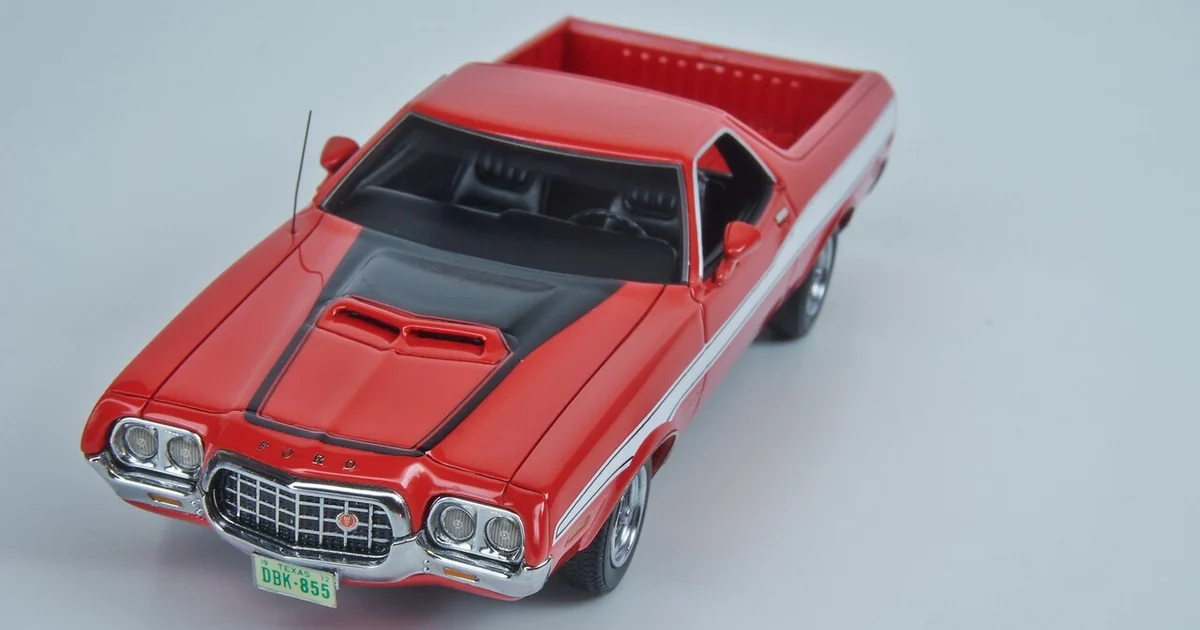
Many collectors begin with a shelf and a few favorite pieces, then discover years later that they cannot remember where a model came from, what they paid, or which details they confirmed when it arrived. A provenance log solves this. It is a simple, dated record that travels with each piece and answers the questions you will eventually need answered. This article focuses on how to build that log for a collection of model cars, including 3D printed pieces, and what a useful entry looks like. The goal is a record you can maintain yourself, with no special software required.
Decide what a provenance entry must capture
A provenance entry is a short statement of origin and identity. Start with the basics: the model name, scale, manufacturer or maker, the edition or run if one is stated, and a unique internal number you assign. The internal number matters more than most collectors expect, because it lets you link photographs, receipts, and notes to one object even if two pieces look similar.
Next, record the acquisition facts: the date you received the piece, the source (a seller, a club, a trade, a direct purchase), and the condition on arrival. Note any packaging, paperwork, or tags that came with it. Do not record what you hope the piece is worth. Record only what you observed and what was documented to you at the time.
Finally, add a verification section. This is where you note any identifying marks you checked, such as a stamped number, a serial or edition label, a QR code, or a printed certificate, and what happened when you checked them. Write down the method, not just the outcome. A line such as 'Scanned the printed code on the base on the date of arrival; the page loaded and displayed the stated model name' is far more useful later than 'verified.'
Separate observation from claim
A common mistake is blending what you saw with what a seller told you. Keep two columns or two labeled lines in each entry. Observations are things you directly examined: the paint finish, the mounting of the wheels, the markings on the underside, the weight in your hand. Claims are statements made by someone else: 'limited to fifty pieces,' 'hand-finished,' 'original design.' Mark each claim with its source and the date it was made.
This separation protects you. If a claim later turns out to be inaccurate, your log shows exactly which parts you verified yourself and which you accepted on trust. It also helps when you sell or trade, because you can state precisely what you can and cannot confirm.
Handling digital verification tags carefully
Some makers attach a QR code or similar digital tag to a piece and direct owners to a website for confirmation. Mint Motors Club describes this kind of scan-based check for its 3D printed cars. When you encounter any digital tag, record three things: the exact text or address the code leads to, the date you scanned it, and what the page displayed. Take a screenshot or photograph of the result if you can, and store it alongside the log entry.
Be careful not to treat a scan result as the whole story. A page displaying a match tells you the tag is consistent with the record the maker holds. It does not, by itself, tell you about the physical history of the object, its condition, or anything that happened before you received it. Note the limits of what the check covered. If you cannot tell what a given system actually confirmed, write that down rather than guessing.
A practical checklist for each new arrival
Use the same steps for every piece so your records stay comparable. First, photograph the model from front, rear, both sides, and underneath before you handle it much. Second, assign the internal number and label the base or packaging with it using a removable method. Third, record the acquisition facts while they are fresh, including the date and source. Fourth, write down the markings and tags you found, then perform any verification the maker provides and log the method and result.
Fifth, list questions you still have. For example: Is there a documented edition number I could not locate? Did the seller provide any paperwork, and does it match the piece? Fill these in when you can and date the answers. Sixth, store the log with the object, either as a printed card in the display case or as a file that you back up in at least one other place of your choosing.
Questions to ask a seller or maker before you record a claim
Before you accept a claim into your log, ask the seller a few plain questions. What exactly is the edition or run, and where is that stated? What documentation accompanies the piece, and can you see it? If a digital tag is involved, what does the linked page show, and who maintains it? How should you check the piece yourself, and what would a mismatch look like?
Record the answers in writing, even if they come by message. A seller who answers clearly and points you to specific, checkable details is giving you usable information. A seller who deflects or relies only on general reassurance is giving you less to work with, and your log should reflect that gap honestly rather than filling it with assumptions.
A good provenance log is not a sales tool and not a judgment about value. It is a disciplined record of what you know, how you came to know it, and what remains open. Kept consistently, it turns a shelf of model cars into a collection you can describe accurately to anyone, including your future self.