Organizing Your Collection by Question Count: A Sorting Method for Model Car Fans
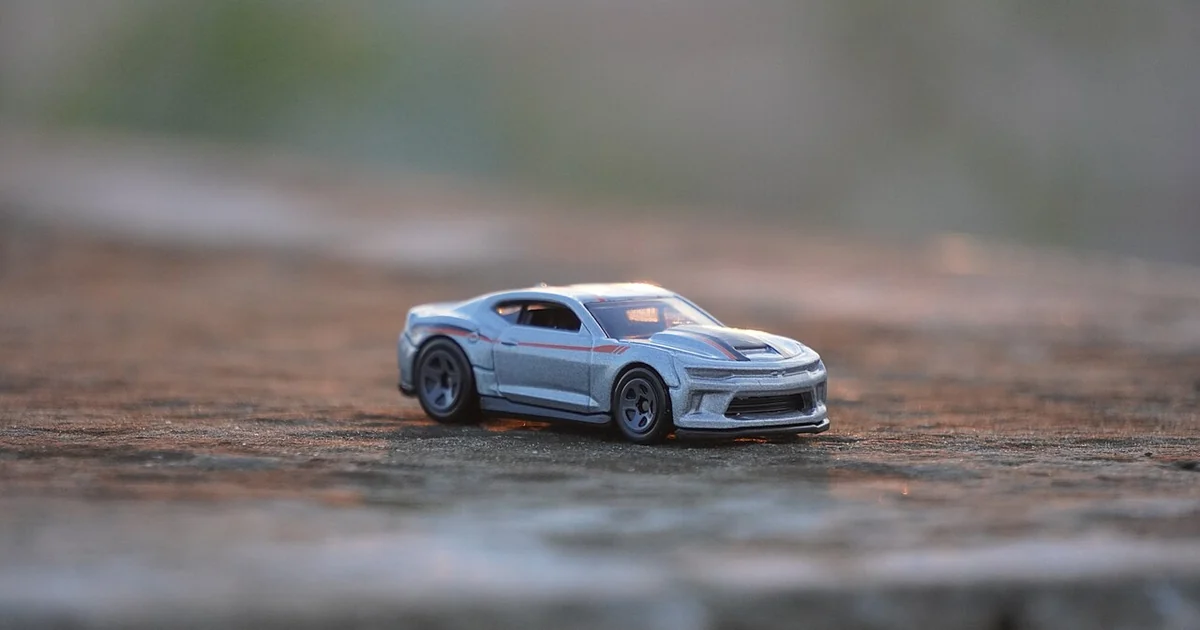
Most model car collections are organized by scale, brand, or shelf position. Those systems work until a collector wants to know which pieces still need attention. A less common approach sorts the collection by open questions: the things you do not yet know about a piece, the claims you have not checked, and the follow-up work each item still needs. This article describes how to build that kind of sorting system, what to record, and how to keep it current without turning your hobby into a chore.
Why Sort by Open Questions Instead of Display Category
A display category tells you where a model sits. An open question tells you what still needs work. When you sort by open questions, the collection becomes a set of tasks rather than a set of objects, and that shift changes how you spend your time. A piece with an unresolved origin question deserves a different kind of attention than a piece that simply needs dusting.
The method works best for collectors who own a mix of purchased, traded, and gifted models, because those acquisition paths often leave gaps in what you know. A model you bought from a reputable seller with a clear invoice may need no follow-up at all. A model received with no paperwork, or one with a tag you have never checked, carries an open question from the day it arrives.
Defining Your Question Categories
Start with a small, fixed set of categories so that sorting stays consistent. Four categories work well for most collections. Identity questions cover whether the model is what the label or listing says it is. Provenance questions cover where it came from and who held it before you. Condition questions cover surface wear, joint looseness, finish changes, and any damage since acquisition. Maintenance questions cover recurring tasks such as cleaning, inspection of moving parts, and checks on storage conditions.
Each piece can carry questions in more than one category. A model might have an open identity question and a routine maintenance task at the same time. Record both, but keep the categories fixed so you can compare pieces across the collection.
Recording Questions Without Overstating What You Know
The key discipline is writing questions in a form that separates what you observed from what you concluded. An entry like 'tag present, not yet checked' is accurate. An entry like 'verified genuine' should be written only when you have actually performed a check and can describe what that check involved. Vague entries such as 'probably fine' make the record useless later, because you cannot tell whether someone looked or only assumed.
For each open question, note the date it was raised, the evidence you have so far, and the single next step that would move it forward. Keeping the next step concrete is what turns a list of worries into a workable queue.
A Practical Sorting Routine and Checklist
Run a sorting session once a quarter, or whenever you add several pieces. Work through the collection shelf by shelf so nothing is skipped. For each model, ask the following questions in order, and record the answers in a single line in your log.
Checklist: Does this piece have any tag, label, or documentation? If yes, has that tag or documentation been checked against the claims made for it? Does the piece have a known acquisition source, and is that source written down? Has the surface or any moving part changed since the last entry? Is there a recurring maintenance task due? What is the one next step that would close the most important open question?
Once every piece has answers, group them by the number and type of open questions. Pieces with no open questions go to a stable group that needs only periodic review. Pieces with identity or provenance questions go to a priority group. Pieces with only maintenance questions go to a routine group. The priority group is where your next hour of effort should go.
Keeping the System Honest Over Time
A sorting system decays if it is never revisited. Close a question only when you have recorded what closed it and when. If a question stays open for a long time, that is useful information in itself, and it may mean the next step needs to change. Some questions cannot be fully resolved with the evidence available, and the honest entry in that case is that the question remains open with a note explaining what would be needed to answer it.
Over time, the log itself becomes one of the most valuable parts of your collection. It records not only what you own but how well you understand each piece, which is exactly what a collector needs when deciding what to display, what to trade, and where to spend further attention.