Judging a Collectible's Identity Before You Pay: A Question-First Method
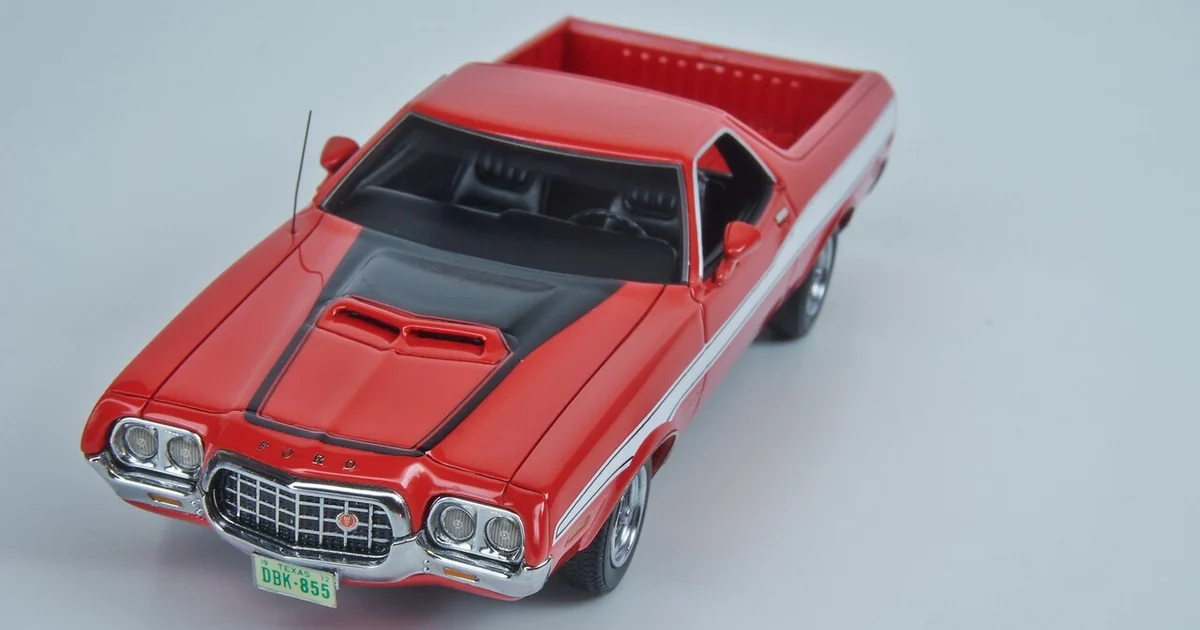
Most collectors don't get fooled by a bad model. They get fooled by a good story that arrived with no proof attached. A listing photo looks right, a seller sounds knowledgeable, and the piece seems to fit the series. Before any money changes hands, it helps to separate what you have been told from what you can actually check. This article offers a question-first method for evaluating identity claims on collectible printed car models, with attention to the kinds of evidence that a verification tag can provide and the gaps that remain.
Start by Naming the Claim Exactly
Authenticity is vague until you write it down. A claim like "genuine" or "original" can mean several different things: that the object was made by the stated maker, that it matches a specific edition, that it has not been altered since leaving the maker, or that its documentation belongs to it. Each of these requires different evidence. Before evaluating anything, write the claim in one sentence, such as "This piece is the stated edition from the stated maker and has a verification record linked to its tag."
Breaking the claim apart this way reveals what you are actually being asked to accept. If the seller only supports part of it, you know which part to probe. A tag that proves a record exists is not the same as proof that the object in your hands is the object that record describes. Keep those two questions separate in your notes.
Read What a Tag Check Can and Cannot Establish
Many printed collectibles now carry a QR code linked to a verification process. The brand's own description states that scanning the code lets you verify the piece's authenticity, backed by Ed25519 cryptographic verification. Ed25519 is a public-key signature scheme: a signature can be checked against a published key, which means a result can be tested rather than simply trusted. That is a meaningful property, and it is worth understanding precisely rather than taking as a slogan.
What a signature check establishes is that a particular code or record was signed by a particular key and has not been modified. What it does not establish on its own is that the tag has never been moved, copied, or attached to a different object. A cryptographic result is strongest when the tag is physically bound to the piece and the scan happens on the piece itself. Ask: Is the tag tamper-evident? Does the record describe this specific object, or only a batch? Who controls the key, and how would you know if it changed?
Build a Three-Layer Evidence Check
Good verification combines layers rather than relying on one source. The first layer is the object: examine its construction, finish, markings, and fit against reference photos of known pieces. Look for consistency across details rather than a single feature, since any one detail can be imitated. The second layer is the tag: scan it, record the result, and note whether the displayed information matches the object's appearance. The third layer is the history: a dated record of where the piece came from, what documents accompanied it, and whether the chain of ownership is coherent.
A practical way to apply this is a simple table written in plain text in your notes. For each layer, record what you checked, what you observed, and whether it agreed with the other layers. A disagreement between layers is more informative than agreement at any one layer. If the tag verifies cleanly but the object's finish does not match the reference you trust, you have a question to resolve before buying, not a reason to stop thinking.
A Pre-Purchase Checklist
Before committing, work through these questions in order. First, can you state the claim in one sentence? Second, can you scan the tag yourself, or must you rely on a photo of a scan? Third, does the scan result describe this piece specifically? Fourth, does the physical object agree with trusted reference images? Fifth, is the ownership history documented and internally consistent? Sixth, what happens if the seller cannot answer one of these points?
The last question is the most revealing. A seller with nothing to hide will welcome the request for a live scan or a clear history and will explain gaps plainly. Resistance, vagueness, or a shift to emotional reassurance are signals to slow down. Note also what you should not expect: no verification method removes all risk, and no single check should be treated as a guarantee. Your goal is an informed decision, documented well enough that you can revisit it later.
Finally, keep your verification notes with the piece. A dated record of your checks, the scan result, and the questions you asked becomes part of your collection's history and helps future owners, or your own future self, understand what was established and what was assumed.