Building a Collection Map by Room, Lighting, and Access Pattern
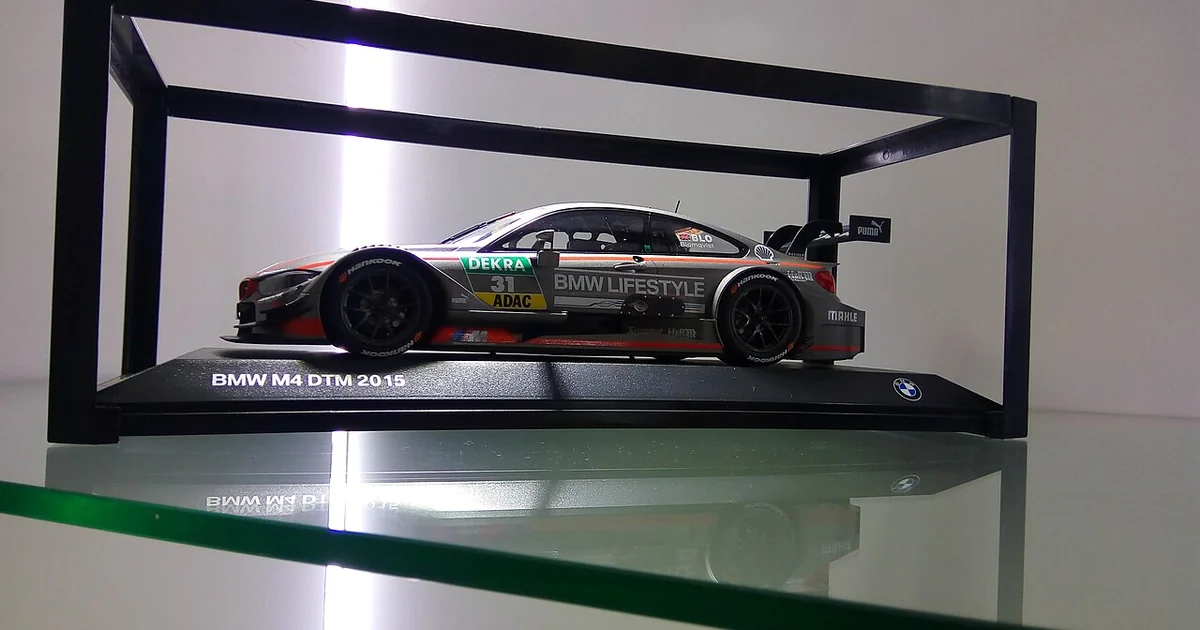
Most model car collections grow in layers. A few pieces go on a shelf near the desk, a box of spares sits under the bed, and a handful of favorites end up in a cabinet that nobody opens. Over time the arrangement stops reflecting any plan and starts reflecting the order in which things arrived. This article offers a different starting point: map the collection by physical location, lighting conditions, and how often each piece is handled. The result is a layout that protects delicate parts, makes items easy to find, and keeps your records tied to the places where the cars actually sit.
Start With a Physical Inventory of Locations
Before sorting anything, walk through your space and list every surface where a model car currently rests or could rest. Include shelves, cabinets, drawers, closed boxes, and windowsills. Note the height of each surface, whether it sits near a heat source such as a radiator or a sunny window, and whether it is in a high-traffic area. This inventory is your map. It tells you where you have room, where conditions are stable, and where pieces are likely to be bumped or left in direct light.
Write the inventory as plain notes rather than a diagram at first. A line such as 'Living room cabinet, middle shelf, no direct sun, two feet above the floor' is more useful than a sketch, because it records the conditions that matter for display and care. Once you have the list, you can compare it against the collection to see where each piece naturally belongs.
Group Pieces by Access Pattern
Ask how often you pick up or rotate each model. Some cars are handled every week because you enjoy showing them or comparing them. Others are displayed and rarely touched. A third group sits in reserve and is only handled when you check condition or prepare a sale or trade. Sorting by access pattern is more useful than sorting by scale or brand, because it determines where a piece is safest and how easily you can reach it.
Frequently handled models belong on the front of a shelf or in a tray you can reach without moving other items. Rarely handled models can sit further back, in a closed case, or in a box with a clear label. Reserve pieces should be stored where they are protected from accidental bumps and changes in temperature, and they should be listed on a single index card or spreadsheet row so you can find them without opening every container.
Match Lighting and Heat Exposure to Each Zone
Light and heat are two of the most common sources of gradual change in model car finishes and printed parts. Direct sun can fade colored surfaces over months, and warm spots near lamps or electronics can soften certain plastics. Treat each zone in your collection as having its own light profile. A north-facing shelf with indirect light is a different environment from a window ledge that receives afternoon sun.
Assign your most visually important or delicate pieces to the zones with the most stable lighting. Keep a short note for each zone describing its light source, typical temperature range, and any hazards such as nearby radiators or moisture. This note does not guarantee protection, but it gives you a consistent reference when you decide where to place a new arrival, and it lets you spot when a zone has changed, such as after a new lamp is installed.
A Practical Checklist for Your Collection Map
Use the following checklist when you set up or revise your layout. First, list every storage location and note its height, light exposure, and proximity to heat or moisture. Second, assign each model to an access category: frequent, display-only, or reserve. Third, place delicate or articulated pieces in the most stable zones and away from edges where they could be knocked. Fourth, record each zone's assignment in a single document so the map is easy to update. Fifth, review the map each season, because rooms change as furniture moves and sunlight shifts through the year.
Ask yourself these questions as you work through the checklist. Does this zone let me reach the piece without moving three others? Has any nearby object changed since I last checked? Would I notice quickly if this piece were moved or damaged? Are the reserve items easy to locate from the index? If any answer is no, adjust the placement before moving on.
Keeping the Map Current as the Collection Grows
A collection map is only useful if it stays accurate. Every time a new model arrives, add it to the index with its zone and access category on the same day. When a model leaves the collection or moves to a new zone, update the entry immediately rather than waiting until the next review. Small, consistent updates prevent the slow drift that makes older layouts hard to trust.
Pair the map with whatever records you already keep, such as purchase notes or condition logs. The map tells you where something is; the records tell you what it is and how it has been treated. Together they let you answer practical questions quickly, such as which models are in reserve storage or which zone holds your most-handled cars. A well-kept map does not replace careful handling, but it makes the collection easier to care for and easier to enjoy.