Asking the Right Questions Before a Tag Settles Your Doubts
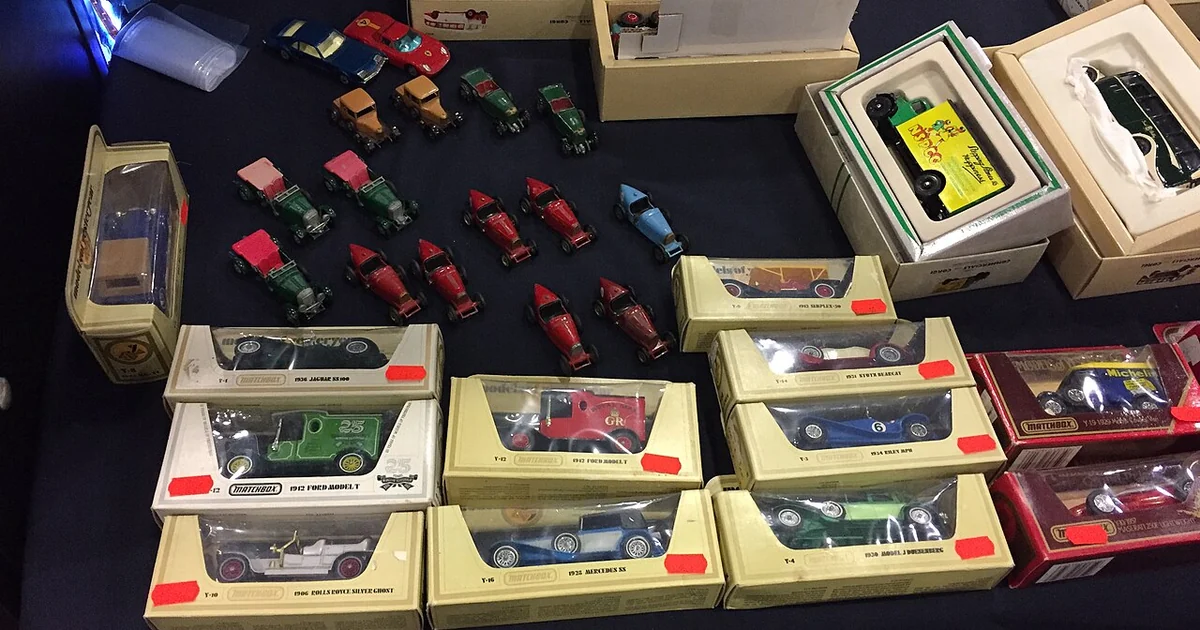
A verification tag can feel like the end of an argument. You scan it, a result appears, and the question seems closed. Experienced collectors know that a tag answers one narrow question, and the other questions still need attention. This article offers a question-first method for weighing an authenticity claim on a printed model car. It treats the tag as one piece of evidence among several, and it helps you decide what each piece can and cannot tell you before you buy, trade, or insure a piece.
Start With the Claim, Not the Object
Before you look at any tag, write down exactly what the seller or listing is claiming. Is it saying the car is an original release from a specific run? Is it saying the car was made by a particular maker? Is it saying the car has not been altered? These are different claims, and they require different kinds of evidence. Many disputes between buyers and sellers happen because the two parties were never arguing about the same claim in the first place.
Write the claim in one plain sentence. For example: 'This car is a factory-finished unit, not a re-painted or re-assembled piece.' A sentence like this gives you something concrete to test. Vague language such as 'authentic' or 'genuine' is worth pushing on. Ask what the word means in this specific case.
Separate Identity, Condition, and History
Collectors often blend three separate questions into one: whether the object is what it claims to be (identity), whether it is in the state the listing describes (condition), and what has happened to it over time (history). A tag can speak to identity, at least in the sense that it links a physical object to a record. It says much less about condition, and almost nothing about history unless the record includes it.
When you review a listing, sort the claims into these three bins. Under identity, note what the tag or documentation says it links to. Under condition, list what you can observe directly: paint finish, panel alignment, moving parts, decals, and any visible wear. Under history, list what has been recorded: prior owners, storage conditions, repairs, or display use. Gaps in any bin are information. A missing history does not prove a problem, but it does mean you are buying on trust for that part of the story.
Questions to Ask Before You Trust a Tag
A verification step is only as useful as the questions you bring to it. Before accepting a result, consider these questions. What exactly was checked? Does the result describe the object in your hands, or a record that the object is supposed to match? Who controls the record, and how would you know if it changed? Can you view the result yourself rather than relying on a screenshot or a summary from the seller? Is the tag physically secure, or could it have been moved from another piece?
Also ask whether the tag is the only evidence offered. If a seller relies entirely on one scan result and declines to discuss anything else, treat that as a reason to slow down rather than a reason to relax. Ask for photographs of the underside, the base, and any serial or production markings the piece should carry. Compare those markings against what you know about the claimed release.
A Practical Comparison Checklist
Use the following checklist when you evaluate a printed car listing. First, record the exact claim in one sentence. Second, note whether a verification tag is present and what it is said to confirm. Third, check the physical object against the claim, including base markings, finish, and assembly. Fourth, check whether the seller can describe the object's history in specific, verifiable terms. Fifth, identify any gap, such as an unexplained repaint, a replaced part, or a missing tag, and decide whether that gap changes the value of the claim for you.
Compare two listings side by side using the same checklist. The one with more verifiable answers is not automatically the better buy, but it is easier to evaluate. Keep your notes with the photos and any records you received, so that your judgment is traceable later.
Keeping Your Own Record of the Decision
After you decide, write down what you verified and what you accepted on trust. Note the date, the claim you tested, the evidence you reviewed, and any open questions. This record matters months or years later, when your memory of why you bought a piece has faded and you need to explain its status to an insurer, a buyer, or another collector. A short, dated note is far more useful than a confident feeling.
Verification is a habit built from many small questions asked consistently. A tag can be part of that habit, but the habit itself, which means stating the claim, separating identity from condition and history, and recording what you checked, is what protects a collection over time.