Mint Motors Club: Arranging a Model Car Collection by Display Zone and Care Needs
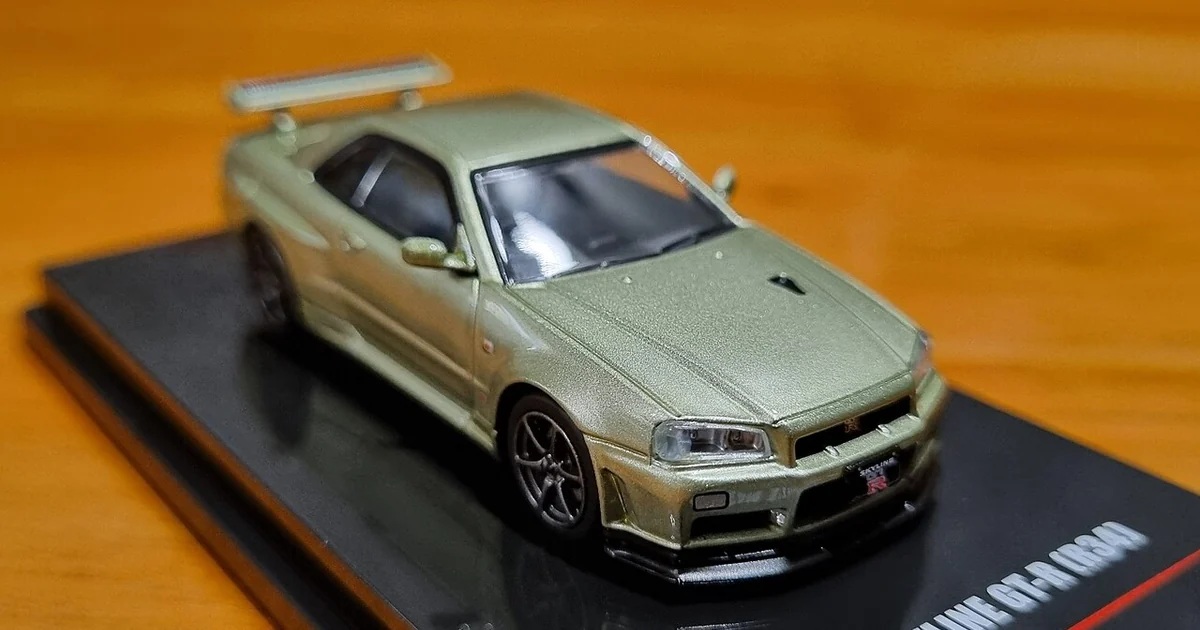
Mint Motors Club serves auto enthusiasts and collectors who want their shelves to look good and stay in good shape. Before reaching for a new shelving unit or a labeling system, it helps to settle on a sorting logic. Many collectors organize by scale, brand, or color, and those choices are reasonable, but they rarely reflect how a piece is actually treated day to day. A method built around display zones and handling frequency tends to reduce accidental damage and makes the collection easier to maintain. This article walks through that approach in plain terms, along with questions to ask as the collection grows.
Start by Mapping Where Light, Dust, and Traffic Fall
Walk the room where your collection lives and note the conditions in each spot. Sunlight through a window can fade paint and warm plastics over months, so shelves near direct light deserve a different assignment than shelves in a shaded alcove. Foot traffic matters too. A shelf at knee height in a hallway gets bumped far more often than a glass cabinet in a quiet corner. Dust tends to settle heaviest on the top shelves and on pieces with open grilles, wheel wells, or spoked rims.
Sketch a simple floor plan or a list of shelves and rate each one for light exposure, dust accumulation, and accidental contact. This takes twenty minutes and gives you a map that is more useful than any scale-based sorting. Once the map exists, you can decide which pieces belong in the most protected positions and which can tolerate the more exposed spots.
Sort by Handling Frequency, Not Just Size
A useful test is how often you expect to pick a piece up, open a door, or adjust a moving part. Pieces you handle often, such as those you rotate for display or show to visitors, should sit in reachable zones where you can grab them without reaching across other items. Pieces you rarely touch can live in the back of a shelf or inside a closed case. Separating these two groups keeps the frequently handled items from being knocked into neighbors during routine access.
Articulated or hinged models deserve particular attention. Check whether doors, hoods, or steering components move freely before deciding where they go. A piece that needs repeated adjustment is a poor candidate for a crowded shelf where neighbors block the hand.
Build a Simple Record Alongside the Layout
A layout is only as useful as the record behind it. For each piece, note its shelf location, the date it entered the collection, where it was acquired, and any condition observations you make during routine checks. Keep the record in a single spreadsheet or notebook so that you can find a piece without searching every shelf. When you move a piece, update the entry immediately; collectors who skip this step often lose track of items within a year.
Good records also capture questions. If you are unsure about a piece's origin, paint history, or whether a part was replaced, write the question down and the source you consulted. Revisiting open questions periodically keeps the record honest and prevents assumptions from hardening into facts.
A Practical Checklist for Your Next Reorganization
Before you move anything, work through these steps in order. First, photograph the current layout so you can restore it if needed. Second, list every piece with its shelf and condition notes. Third, rate each shelf for light, dust, and traffic. Fourth, assign the most fragile or valuable pieces to the most protected zones. Fifth, group frequently handled items together within reach. Sixth, update your record with the new locations and dates. Seventh, schedule a check in three months to see whether any zone has drifted from its original rating.
Ask yourself a few questions as you go. Does this shelf receive direct sun at any hour? Could a visitor brush against this piece while walking past? Will I need to lift a neighbor to reach this item? Are any moving parts stressed by their current position? Honest answers to these questions will do more for your collection than any new display hardware.
Organizing by display zone and handling frequency is a method you can adjust as your collection changes. Revisit the map whenever you add a significant number of pieces, and let the record guide decisions rather than memory. A collection arranged this way is easier to enjoy, easier to inspect, and easier to pass along with a clear account of how it was kept.