Mint Motors Club: Judging a Printed Car's Identity Without Stopping at the Scan
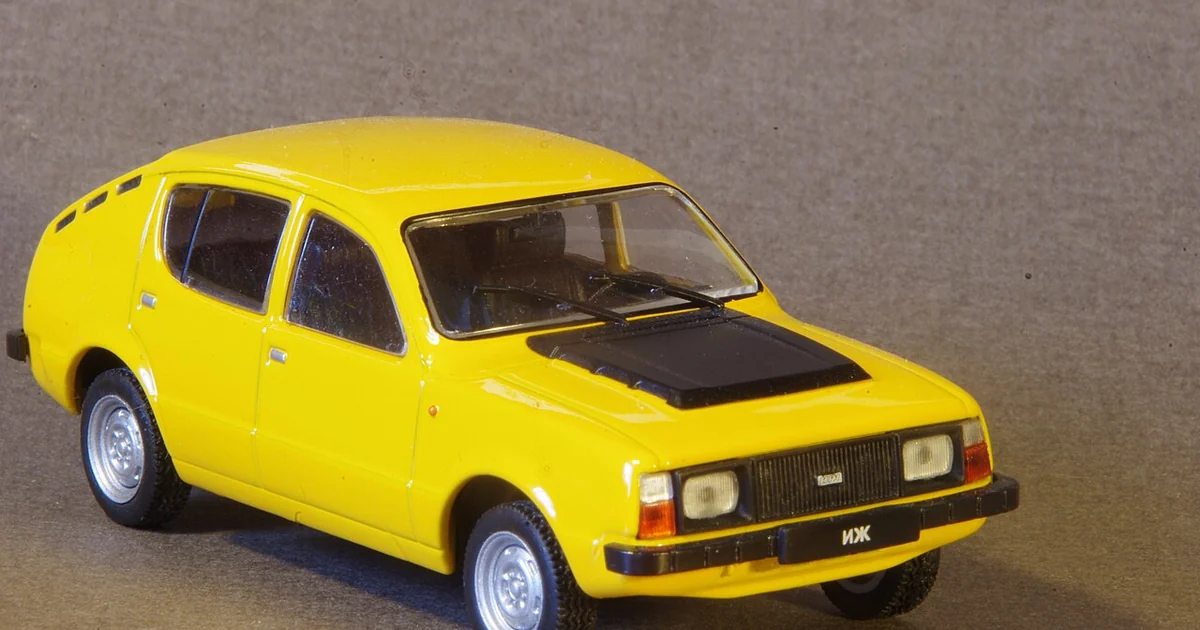
Mint Motors Club offers a way for owners to scan a QR code on a 3D printed car and check its authenticity using Ed25519 cryptographic verification. That is a useful starting point, but serious collectors know that a single check answers one narrow question: does this code match a record? Identity claims are richer than that. This article describes a method for building a fuller picture of a model's identity, one that treats any scan result as one piece of evidence among several.
Separate what a check proves from what you want it to prove
Collectors often feel relief when a tag returns a clean result, and that relief can carry more weight than the result deserves. A verification step tells you something specific: the tag or code associated with the item passed a check you can describe. It does not tell you how the object was made, who handled it afterward, or whether the code was attached to this exact piece.
Before you rely on any result, write down the question it answers in one sentence. For example: 'The code on this chassis is valid according to the verification process I ran today.' Then write down what remains open, such as whether the item has changed hands, whether the code is physically secured, or whether you have seen the item in its original packaging. Keeping these two lists side by side prevents a single pass from quietly becoming a verdict on everything.
Build a question-first checklist before any purchase or trade
A practical checklist keeps your judgment consistent across items. Use plain questions that you can answer with observations rather than assumptions. Does the seller have a clear account of where the item came from? Does the physical model match the photos and descriptions you were given? Are the markings, tags, and finishing details consistent with what you would expect from the claimed source? Does the code or tag appear to be integrated into the object, or could it be moved to another piece?
Compare candidate items against this list in a simple table of notes rather than a ranking. Mark each question as confirmed, unclear, or missing. An item with several unclear answers is not necessarily fake, but it deserves more questions before you commit. Treat the list as a conversation starter with the seller and as a memory aid for your own later review.
Read the evidence trail in both directions
Authenticity is partly a story about movement over time. Ask what the item's history looks like forward from its creation and backward from your possible acquisition. A good record shows continuity: the item was in a known place, held by known owners, and checked at sensible points. Gaps are not automatic disqualifiers, but each gap is a question you should be able to articulate.
When you review a seller's materials, look for internal consistency. If the description says the piece was displayed for years but the photos show fresh packaging, something needs explaining. If a verification result is presented without any context about when it was run, ask for that context. Coherence across the documents, photos, and physical object matters as much as any single data point.
Inspect the physical object independently of the tag
Because a tag can be separated from an object in principle, a useful habit is to examine the model as a physical thing. Check whether the surface finish, print layering, joint fit, and paint application look like they belong together. Printed parts with hinged or sliding elements should show wear patterns that fit their age and handling. Freshly printed parts with artificial aging can look wrong under raking light, so compare under the same lighting across several angles.
Note any reattached or replaced components. Screws, adhesives, and replacement wheels are not inherently suspicious, but they should be documented. An object whose parts all match its records is more convincing than one whose tag alone matches.
Keep your own record so the question survives the sale
Your verification work is only useful if you can revisit it. Start a simple log for each item: the date you checked, what you checked, what result you saw, what you could not confirm, and any documents you received. Photograph the item, its markings, and any packaging in consistent lighting. If you sell or trade the piece later, this log lets the next owner see exactly what was and was not established.
A record also protects you from your own memory. Months after a purchase, the reasons you trusted an item tend to blur. Writing them down while they are fresh keeps your collection honest and gives you a basis for deciding whether to re-check, reconsider, or leave an item alone.