Mint Motors Club: Documenting Model Cars Beyond the Single Point of Proof
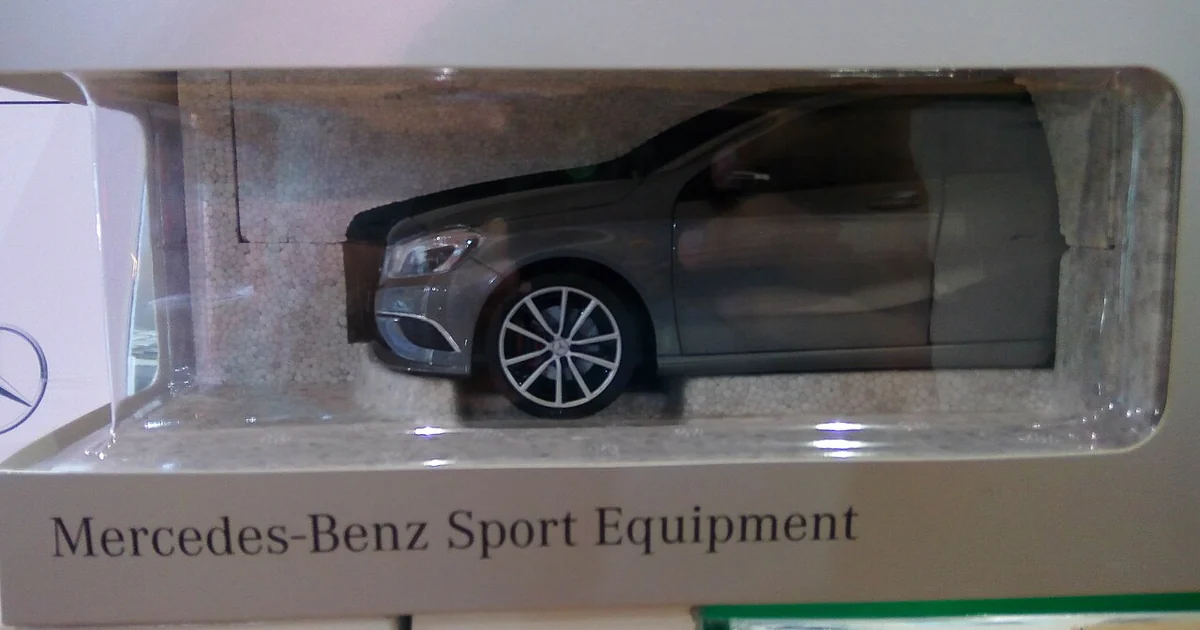
Mint Motors Club serves auto enthusiasts and collectors who display, trade, and sometimes simply enjoy model cars. One of the most common habits in collecting is treating a single moment of verification as the end of the story. A tag is scanned, a result appears, and the item goes onto a shelf with its records considered complete. This article takes a different approach. It describes how to build documentation for collectible model cars that stays useful over years of display, handling, and changing ownership, and how to ask better questions about what any single piece of evidence actually shows.
Separate What Was Checked From What Was Assumed
When a collector writes down that a model car is authentic, the note often blends two different things: a check that was actually performed and an assumption that the check covers everything. A useful record keeps these apart. Write the date, the method used, the result returned, and the exact item identifier involved. Then write, in a separate line, what the check did not address, such as the condition of the paint, the history of repairs, or whether a part was swapped before it arrived.
This separation matters because it stops a verification from quietly expanding into claims it never tested. If a result confirmed one thing about a piece, the record should say that thing and nothing more. Future readers, including your future self, can then judge the gaps for themselves rather than inheriting a false sense of completeness.
Build a Condition Log That Records Change Over Time
Identity answers the question of what a piece is. Condition answers what state it is in, and condition is the part that changes. A practical condition log records a baseline when the item enters your collection: photographs from several angles, notes on paint finish, decal alignment, joint tightness, and any visible wear. Keep the photographs consistent in lighting and distance so comparisons later are meaningful.
Add an entry every time the piece is handled for a reason: moved to a new shelf, cleaned, repositioned after a bump, or inspected after a long display period. Each entry should name what was observed, not what was hoped for. A note such as 'left front wheel now turns with slight resistance, previously free' is far more useful than 'fine.' Over several years, these small entries reveal patterns that no single photograph could show.
Ask the Questions Your Documentation Should Answer
Before filing any item, test your records against a short set of questions. Can someone reading the file tell where the piece came from, as far as you know? Can they tell which evidence you personally collected and which you were told by someone else? Can they tell what the item looked like on the date of your last inspection? Can they tell which parts are original to the piece and which have been replaced or added?
If any answer is missing, the record is incomplete, not necessarily wrong. A checklist keeps this process honest. Review it at each acquisition and at least once a year. The goal is not perfection but a file that accurately reflects what you know and clearly marks what you do not.
Compare Methods Without Overrating Any One of Them
Collectors use several kinds of evidence: a verification tag or scan, a seller's written description, photographs taken at sale, and their own hands-on inspection. Each answers a different question. A scan can confirm that a particular tag matches a record. A seller's description reflects what the seller chose to say. Photographs show appearance at one moment. Hands-on inspection reveals fit, movement, and finish that images often miss.
No single method should be treated as the whole truth. When the sources agree, confidence can rise. When they disagree, the disagreement itself is information worth writing down. A short comparison table in your notes, listing each source, its date, and what it supports, makes these relationships visible at a glance.
Keep the Record Portable and Plain
A documentation system only helps if you can still read it years later. Use plain text or a simple spreadsheet with consistent columns: item name, identifier, acquisition date, sources consulted, condition entries with dates, and open questions. Avoid abbreviations you will forget. Store a copy outside the place where the models live, so a single incident does not destroy both the objects and the notes about them.
Review the file when you add or sell an item. The goal is a record that a careful buyer, a family member, or your own future self could follow without guessing. Clear, dated, and honest documentation is the most durable form of collector knowledge.