Mint Motors Club: Organizing a Model Car Collection Around Questions You Can Answer
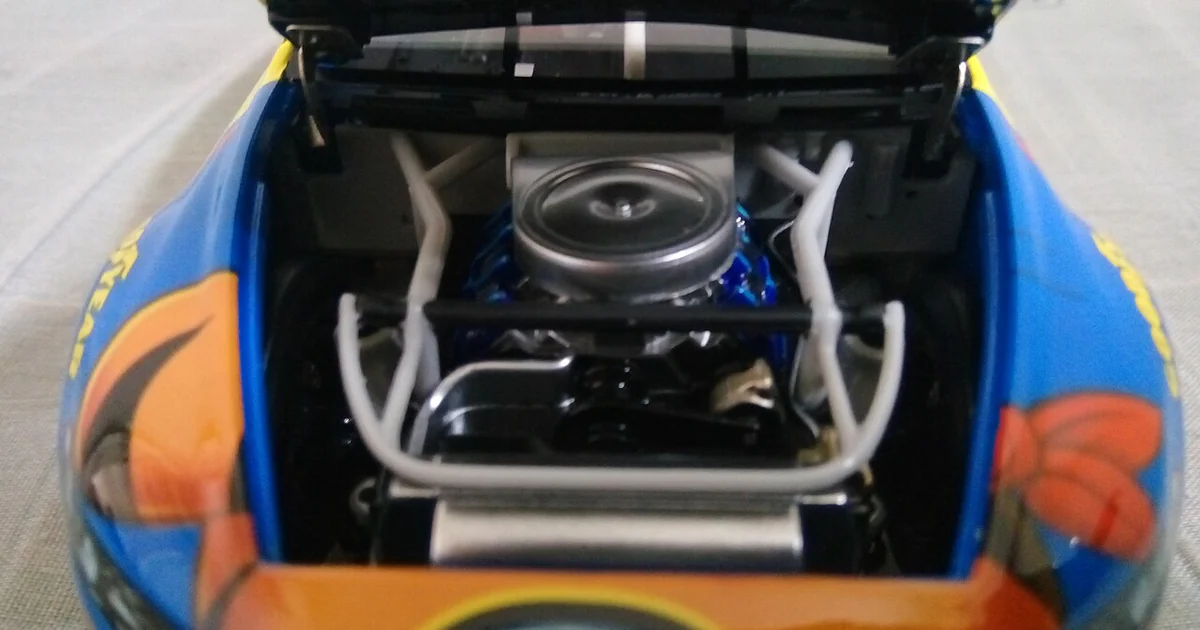
Mint Motors Club is built for auto enthusiasts and collectors who want their model cars to make sense as a collection, not just a pile of shelf space. Organization is where most collections either become manageable or quietly fall apart. A good system tells you what you own, where it is, what it needs, and what you still don't know about it. This article describes a method for building that system from the ground up, starting with the questions each piece should be able to answer.
Start With an Inventory Sheet, Not a Shelf Plan
Many collectors begin by deciding how to arrange shelves before they know what is on them. A better starting point is a simple inventory sheet with one row per item. Useful columns include a short name, the scale, the date acquired, the source or seller, the storage location, and a free-text notes field. You do not need specialized software to begin; a spreadsheet or even a printed table works well.
Fill the sheet in one pass without stopping to research every item. The goal is coverage. Once every piece has a row, you can sort, filter, and spot gaps. Duplicates become visible, and so do pieces with blank source fields, which are often the ones that need attention first.
Sort by Storage Environment and Handling Frequency
Arranging by scale or brand looks tidy but ignores the things that actually cause damage. Light exposure, humidity, dust, and how often you handle a piece matter more to its condition than where it sits in a sequence. Group items into zones: a display case zone for pieces you rarely move, an open shelf zone for pieces you show often, and a storage zone for pieces you rarely see but want to keep safe.
Within each zone, note which pieces have moving parts such as hinges, sliding doors, or articulated joints. These need to be checked more often, and they should not sit in direct sunlight or in rooms with large temperature swings. Handling frequency is the variable many collectors underweight. A piece you pick up every week needs a different routine than one you open twice a year.
Label Each Piece With a Stable Identifier
Names change, and so do your memories of what a piece is called. Assign each item a short internal identifier, such as a sequence number or a code based on zone and position, and write it on a discreet label or in your inventory sheet. Match that identifier to the photo and notes you keep. This lets you find any item quickly and prevents confusion when two similar models sit side by side.
Labels should be placed where they will not damage paint or finish. A tag inside a case, on the base, or on the inventory sheet is usually safer than adhesive directly on the body.
Keep a Records Folder for Each Item
For every piece, keep a short record: the photo set from the date of acquisition, the receipt or listing if you have one, any documentation the seller provided, and dated notes on condition. When you verify something, record what you checked, what the result was, and what you still cannot confirm. A scan result, a tag, or a seller's statement each proves a different thing, and recording them separately keeps the picture honest.
Ask yourself these questions for each record: What evidence do I hold? Who provided it? When did I last check it? What would change my mind? If the answers are unclear, the record needs more work before you rely on it.
A Short Checklist for Your Next Organization Session
Work through these steps in order. First, confirm every item has an inventory row with a stable identifier. Second, assign each piece to a storage zone based on light, humidity, and handling frequency. Third, flag pieces with moving parts for a condition check on a set schedule. Fourth, make sure each item has a records folder with at least one photo set and a dated condition note. Fifth, list the questions you cannot yet answer about each piece, such as its source or its provenance, and decide what evidence would settle each one.
Repeat this session at least once a year, and after any large acquisition. A collection organized this way is easier to manage, easier to insure in your own records, and easier to pass on, because the reasoning behind each decision is written down rather than kept in memory.