Mint Motors Club: Testing a Printed Car's Story With Questions Before Purchase
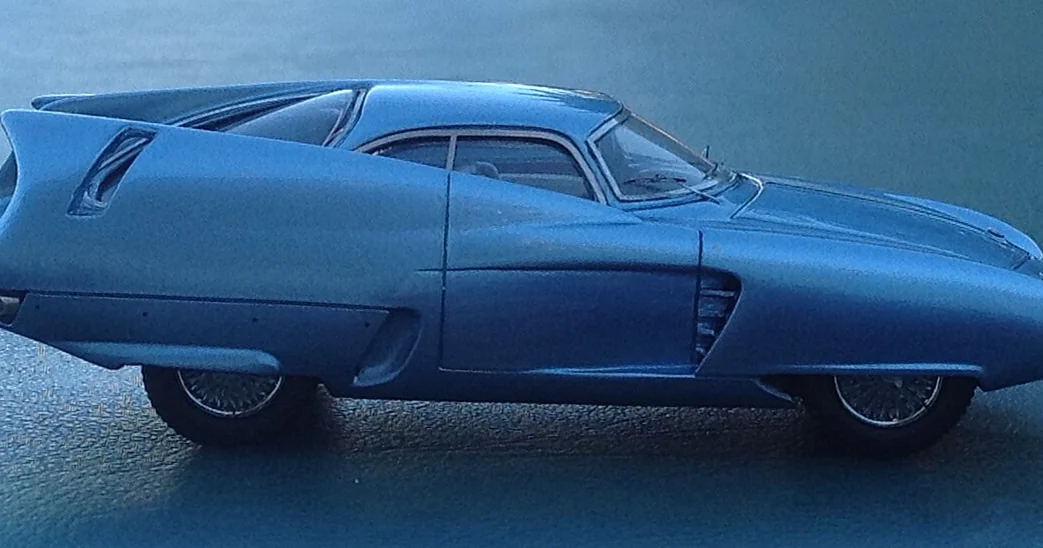
Mint Motors Club serves auto enthusiasts and collectors who want to understand what they are buying before they buy it. A scan result is one piece of information, but collectors often treat it as the whole answer. This article takes a different angle: it lays out a question-driven method for weighing every claim a seller or platform makes about a printed car, so you can see which parts of the story are supported and which parts are still assumptions.
Start by Separating Claims From Evidence
Every collectible arrives wrapped in statements: who made it, when, in what run, and whether it is the one described in the listing. Before you evaluate any of those statements, sort them into two piles. The first pile holds claims, which are things someone tells you. The second holds evidence, which is something you can inspect yourself or that can be checked against an independent source. A seller's description is a claim. A photograph of the underside with a readable mark is closer to evidence, though it still needs context.
Writing the two piles on paper, or in a simple note on your phone, changes how you read a listing. You will often find that a long description contains only one or two pieces of real evidence, with the rest resting on phrasing. That is not automatically a red flag, but it tells you where your due diligence should concentrate.
Ask What Each Check Can and Cannot Establish
A verification step answers one specific question, and collectors get into trouble when they ask it to answer a broader one. If a printed car carries a tag that can be checked, the useful question is whether that tag matches the object in front of you and whether the record it points to is consistent with the listing. The check does not tell you the car was never altered, that the paint is original to the item, or that the seller owned it in the condition they describe.
Write down the exact question each check answers and then list the questions it leaves open. This habit prevents overconfidence. When someone says a verified piece is 'proven,' ask them to name the specific fact that was verified. Often the answer is narrower than the enthusiasm suggests.
A Practical Pre-Purchase Checklist
Work through these questions in order before committing money. First, ask the seller to describe the object's identifying features in their own words, such as a specific mark, a moving part, or a finish detail. Vague descriptions are harder to match against reality. Second, compare photographs of the seller's item with reference images you trust, looking at proportions, edge quality, and any markings. Third, ask what documentation accompanies the piece and whether that documentation refers to the same object, using a serial or identifier if one exists. Fourth, ask whether the item has been repaired, repainted, or rebuilt, and request photos of any work.
Fifth, check whether the seller's account is consistent across the listing, messages, and any tag information. Small contradictions about dates or ownership history deserve follow-up. Sixth, decide in advance what you will treat as disqualifying. A missing answer is different from a wrong one, and collectors often find it useful to define these thresholds before emotion enters the negotiation.
Keep a Record That Outlasts the Transaction
The value of a careful pre-purchase review fades if you do not preserve what you learned. Keep a simple file for each piece: the listing text, the photos you received, the answers you got to your questions, and the verification result with its date. When you later sell or trade the car, that file lets the next owner see what was checked and what was assumed. It also protects you if your memory of the deal drifts over time.
Treat the record as a living document. If you later learn something new about a piece, add a dated note rather than overwriting the old one. A clear history of questions asked and answers received is more useful to a collector than any single confident statement, and it is the closest thing to lasting confidence that a careful collection can offer.