Mint Motors Club: Documenting Collectible Model Cars for Your Own Records
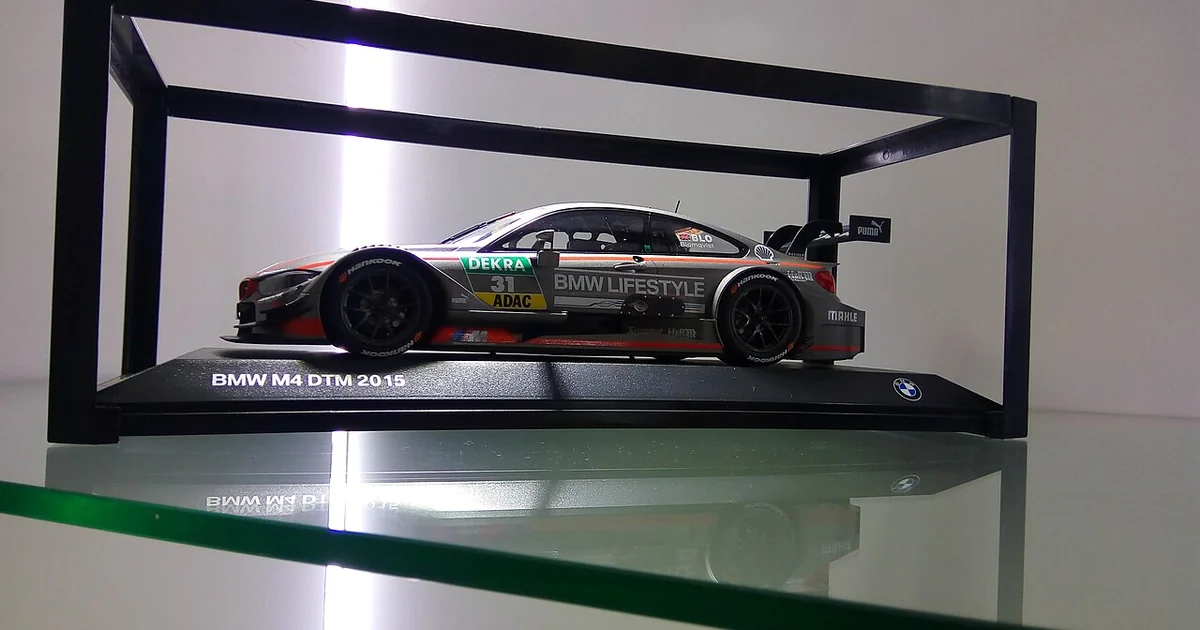
Mint Motors Club serves auto enthusiasts and collectors who own printed and model vehicles, and one habit separates a tidy collection from a confusing one: writing things down while you still remember them. Most collectors can recall the day they bought a favorite piece, but a few years later the details blur. Which seller sent it, what the packaging looked like, whether a part was replaced, and which scan or tag came with it all fade. This article walks through a documentation method built around questions you can answer for each piece. It does not depend on any single verification step, and it treats your own records as the foundation you return to whenever you need to understand what you own.
Start With a Single Record Per Piece
Give every model car its own record rather than scattering details across receipts, chat threads, and photos. A simple document, spreadsheet row, or notebook page works. Assign each piece a short internal reference number and keep it on the record, not on the model itself where it could be lost or confused with a manufacturer's marking.
Within that record, separate what you observed directly from what you were told. Observed facts include dimensions you measured, colors you saw under good light, and the state of moving parts when you first handled the piece. Reported facts include what a seller or previous owner said about its origin or history. Keeping these two categories apart prevents a guess from quietly becoming a fact over the years.
Questions Worth Answering for Every Entry
A useful record answers a consistent set of questions. Where did this piece come from, and on what date did you receive it? What condition was it in on arrival, and did you photograph it? Does it have original packaging, inserts, or documentation, and where are those items stored? Has anything been repaired, repainted, or substituted, and if so, by whom and when?
Add a question about identification evidence. If the piece came with a scan code, a tag, or a certificate, note exactly what it is, what it appeared to show when you checked, and the date you checked. Record what you did not verify as well. A note such as 'checked tag once on arrival, did not compare against any other source' is more honest and more useful than a checkmark that suggests more certainty than you have.
Photograph With Consistent Conditions
Photos are most useful when they can be compared across time. Choose a fixed spot, a neutral background, and a consistent light source, then photograph each piece from the same angles: front three-quarter, both sides, rear, and close-ups of wheels, glazing, and any moving joints. Include a ruler or a coin in one frame to give scale.
Take a fresh set whenever something changes: after cleaning, after a repair, or after a display session that may have caused wear. Store the images with the record number in the filename so they stay attached to the right piece. A dated series of photos shows how a finish or joint has aged far better than memory does.
A Practical Checklist for Each Acquisition
Use this checklist when a new piece arrives. First, create the record and assign its reference number before you unpack anything. Second, photograph the piece and packaging in your standard setup. Third, note the seller, date, price paid, and any documents received, without judging their accuracy yet. Fourth, record any scan or tag result exactly as displayed, with the date and time. Fifth, test moving parts gently and log what moves freely, what resists, and what feels loose. Sixth, store the packaging and inserts together and label the box with the record number.
Review the record a week later. Ask whether anything you wrote down has since been contradicted by a new observation, and update the record with a dated note instead of overwriting the original entry. Overwriting erases the history you are trying to preserve.
Keeping Records Useful as the Collection Grows
As your collection expands, the value of a consistent method increases. Cross-reference records by display location, storage conditions, and acquisition year so you can answer questions such as which pieces came from a particular source or which ones were displayed under strong sunlight. Review your records once or twice a year, checking that the photos, notes, and packaging locations still match what is on your shelves.
Documentation of this kind is a personal practice. It does not replace your own judgment about authenticity or value, and it does not guarantee that any single check is complete. Its purpose is to make your own knowledge durable, so that when you sell, trade, insure, or simply enjoy a piece years later, you can see clearly what you knew and when you knew it.