Mint Motors Club: Building a Model Car Collection Index by Shelf Position and Handling Notes
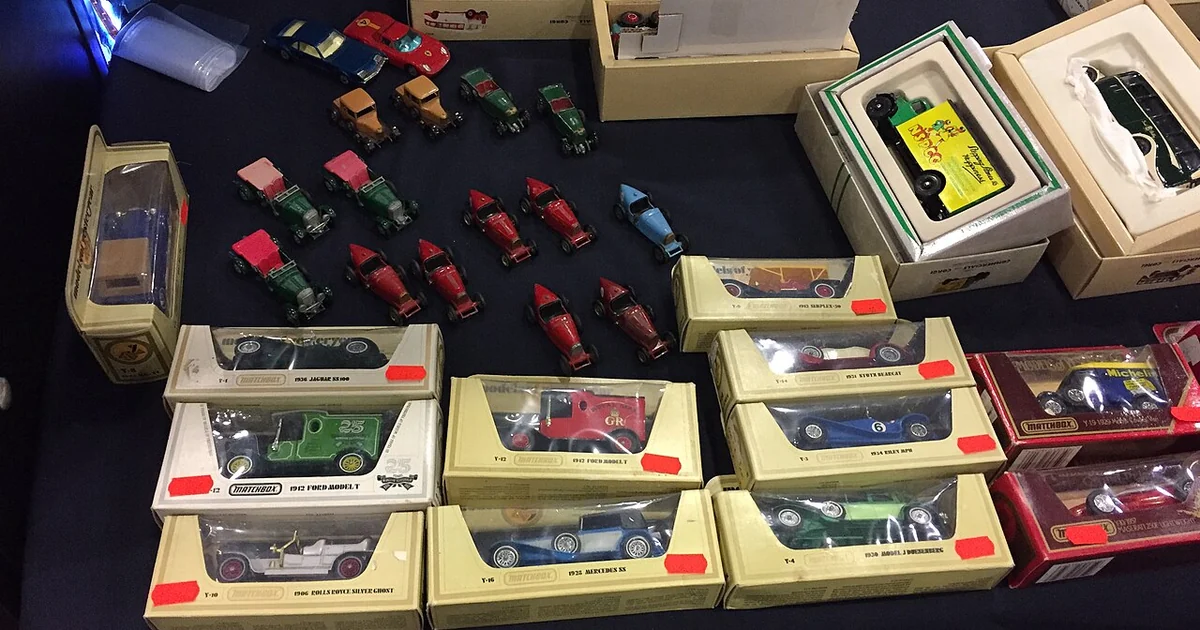
Mint Motors Club serves auto enthusiasts and collectors who want their model cars organized in a way that holds up over years. Most collections start small and informal: a few cars on a shelf, a mental list of what is where, and a sense of which pieces need attention. As the collection grows, that mental list stops working. This article describes a method for building a collection index tied to physical location and handling history, with a checklist you can adapt to your own space.
Start With Physical Location, Not Categories
Many collectors begin by sorting cars by brand, scale, or era. Those categories are useful for browsing, but they say little about where a model is and how it is being stored. An index built around physical location answers the questions you actually face: which shelf holds a given car, whether it sits in direct light, how often it gets moved, and who else in the household handles it.
Assign each display position a short code. A code such as "A2-L" for shelf A, row two, left side is easier to write and check than a long description. Record the code in your index alongside the model's name. When you move a car, update the code the same day. Stale locations are the most common reason collection records stop being trusted.
Record Handling History in Plain Terms
A location tells you where a car is. A handling note tells you what has happened to it. Keep these notes short and factual: the date you last removed the car from its shelf, any part that was reattached or adjusted, and any cleaning method used. Avoid vague entries like "looks fine." Write what you observed, such as "left front wheel spins freely, no play at the axle."
For printed models with moving parts, handling notes matter more. Hinges, sliding panels, and articulated joints wear with use and can loosen after repeated handling. A dated note makes it possible to see whether a change happened gradually or suddenly, which is useful when deciding whether to adjust storage or handling habits.
Keep an Open Questions Column
Every collection has entries you cannot yet fully document. A paint match is uncertain, a provenance detail is missing, or a part looks different from one you remember. Instead of guessing or deleting the entry, add an open questions column to your index. Write the question in one line and note what would answer it: a photograph under different light, a comparison with a second example, or a conversation with someone who handled the car before you.
Reviewing this column once a quarter is valuable. Some questions resolve on their own as you gather more observations. Others reveal that a record needs correcting. Either outcome improves the index more than an unexamined entry would.
A Practical Checklist
Use the following steps when you set up or revise your index. First, assign a location code to every display position and every storage box. Second, record one entry per car with its name, scale, and current location code. Third, add a dated handling note for any car that has been moved, repaired, or cleaned since your last review. Fourth, list open questions in a separate column with the evidence that would settle each one. Fifth, schedule a short review each season to check that locations match what you see on the shelves.
Some collectors keep this index in a spreadsheet, others in a notebook. The format matters less than consistency. A spreadsheet makes sorting easy, while a notebook gives you room for longer observations. Many people use both, with the notebook as the detailed record and the spreadsheet as a quick lookup.
Questions to Ask as the Collection Grows
When adding a new car, ask where it will sit before you buy or unpack it, and whether that position suits its storage needs. Ask whether any other car in the collection shares that environment and whether the two should be separated. Ask what you would need to document about the car if you later wanted to sell, trade, or show it, and start recording that information from day one.
An index is a tool for remembering and checking, not a guarantee of any car's condition or origin. Treat it as a structured notebook that helps you notice changes, plan care, and answer questions with evidence rather than memory. Over time, a well-kept index becomes one of the most valuable parts of a collection.